



How to Open a Ramune Bottle (Super Easy!)

If you've ever seen an oddly shaped glass soda bottle in Japan, sealed with a marble instead of a cap, you've encountered Ramune. This guide is for anyone new to Ramune or curious about Japanese drinks, and it will show you exactly how to open a Ramune bottle. Opening a Ramune bottle is a fun and essential part of enjoying this iconic Japanese soda, and knowing the right technique ensures you get the full experience without spills or frustration. Whether you're a first-timer or just want to master the process, this page answers your query about how to open a Ramune bottle step by step.
You'll spot Ramune everywhere in Japan: convenience store fridges, summer festival stalls, vending machines, and countless anime scenes where a character cracks one open on a hot day. Part of its charm is exactly that unfamiliarity: most people outside Japan have never had to push a marble down into a bottle just to take a sip.
This guide covers where Ramune comes from, what that marble is actually doing in there, and exactly how to open a bottle, plus how to get the marble out once you're done drinking.
All About Ramune
The History of Ramune
Ramune dates back to the late 1800s, when a Scottish pharmacist living in Japan named Alexander Cameron Sim began selling a lemonade-style carbonated soda. To bottle it, he used the Codd-neck bottle, a distinctively shaped glass bottle patented in Britain in 1872 that relies on a glass marble inside the neck to seal in carbonation. The marble has to be dislodged before the liquid can flow, and that single mechanical quirk is what made the drink so memorable. While Codd-neck bottles eventually fell out of use nearly everywhere else in the world as cheaper bottle caps took over, Japan held onto the design, and Ramune remains one of the last widely produced drinks still using it. Over a century later, Ramune is still sold in these same iconic glass bottles across Japan and remains one of the country's most recognizable soft drinks, closely associated with summer festivals, fireworks nights, and street food stalls, to the point that the sound of a Ramune bottle popping open has become something of a seasonal marker in its own right.
Ramune Flavors, From Classic to Unusual
The original Ramune flavor is lemon-lime with a hint of bubblegum, tasting somewhat similar to Sprite: sweet, a little sour, and fizzy. From there, the flavor lineup expands dramatically, with more than 50 varieties sold across Japan, and new limited-edition flavors released regularly to mark seasons or regional specialties. Alongside familiar options like strawberry, melon, lychee, and pineapple, there are far stranger carbonated flavors too, including chili oil, octopus, kimchi, and wasabi, novelty flavors that have made Ramune something of an internet curiosity outside Japan. Ramune's popularity as a drink has also led to Ramune-flavored hard candy, made with compressed Ramune soda powder to recreate that same fizzy taste, minus the glass marble.

What Is the Ramune Marble?
Ramune soda is bottled in unique Codd-neck bottles with a marble. The Ramune marble isn't just a novelty: it serves a real function. Thanks to the specific shape of the Codd-neck bottle, the marble creates a tight seal against a rubber gasket in the bottle's neck that holds the carbonation in place until the bottle is opened. The pressure from the carbonated liquid itself is actually what pushes the marble up against that seal, meaning the more fizz inside, the tighter the seal becomes. Frustratingly, the marble can't simply be shaken loose, it takes a specific technique to release it, which is exactly what makes opening a Ramune bottle for the first time such a memorable experience. It's also why Ramune bottles make a distinctive, satisfying pop and fizz the moment they're properly opened. Opening a Ramune bottle requires a two-part plastic tool found on the cap.
How to Open a Ramune Bottle
The best and intended method for opening a traditional Ramune soda bottle is using the plastic plunger tool included with the bottle. Follow these steps for a smooth and fun experience.
Step-by-Step Summary: How to Open a Ramune Bottle
-
Remove the plastic wrapping from the bottle top.
-
Find and use the plastic plunger tool (usually found as part of the cap).
-
Hold the bottle firmly while pushing the plunger down to release the marble.
-
Keep pressing for about five seconds after the marble drops to let the pressure settle.
-
Press firmly and quickly to avoid excess fizz and spills.
-
Chill the bottle before opening to reduce foaming.
-
A slow or hesitant push may cause more fizz—be confident!
Step 1: Remove the Plastic Seal
Every Ramune bottle is sealed with a plastic wrapper around the cap. Pull this off by snapping the plastic or finding the small side rip, similar to opening a bottle of water. Take your time with this step, since the next piece you need is hidden inside it.
Step 2: Find the Plunger
Don't throw away that plastic wrapper. Tucked inside it is a small plastic plunger, shaped a bit like a tiny cap itself, and you'll need it for the next step. If you've lost or thrown out the wrapper, unfortunately there's no easy substitute, so it's worth double-checking before discarding any of the packaging.
Step 3: Push the Marble Down
Place the plunger back on top of the bottle, over the marble that's now partially visible in the neck. Push down firmly, sometimes with both hands, to release the pressure inside the bottle, which forces the marble down into the neck and opens the seal. You'll typically hear a distinct pop and see a small rush of foam as the seal releases, so it helps to do this over a sink or outdoors the first few times. Keep pressing for about five seconds after the marble drops to let the pressure settle and avoid spills. Pressing firmly and quickly usually avoids excess fizz and mess, while a slow or hesitant push may cause more foaming.
Step 4: Drink It the Right Way
Once open, there's still a small technique to drinking Ramune without the marble blocking the opening. Look for the two small indents on either side of the bottle's neck: tilting the bottle so the marble settles into one of these indents lets the liquid flow freely while the marble stays out of the way. It takes a try or two to get the angle right, but once you do, drinking straight from the bottle becomes second nature.

How to Get the Marble Out of the Bottle
Once the soda is finished, plenty of people want to keep the marble itself, and generations of kids in Japan have smashed their share of empty Ramune bottles trying to get to it. The real obstacle isn't the marble though, it's the hard plastic cap, which can't be unscrewed the way a normal bottle cap can. These three methods can loosen it without breaking the glass.
The Hairdryer Method
Apply heat from a hairdryer directly to the plastic cap for a minute or two, moving it around evenly so the plastic softens without overheating any single spot, then carefully pry the softened plastic away from the bottle.
The Hot Water Method
Turn the bottle upside down and rest the cap in a bowl of hot water for a few minutes. The heat softens the plastic enough that the cap should pop off on its own or with gentle pressure, making this one of the gentlest methods for anyone worried about damaging the bottle.
The Screwdriver Method
Using a small flathead screwdriver, gently pry underneath the edge of the cap a little at a time, rotating the bottle evenly as you go until the cap loosens completely. This method takes a bit more patience than the other two, but works well if you don't have access to a hairdryer or hot water.
Whichever method you use, wear protective gloves and eye protection, and never attempt to swallow the marble. Once removed, the marble makes a small, satisfying keepsake, and many people collect them from different Ramune flavors and colors over time.
Frequently Asked Questions
-
Why does a Ramune bottle have a marble inside it?
The marble seals the bottle's Codd-neck design, using pressure from the carbonation itself to hold the marble tightly against the neck and keep the soda fizzy until it's opened. It's a 19th-century bottling solution that Japan kept using long after most of the world moved on to metal caps. -
Can you shake the marble out of a Ramune bottle?
No. The marble is held in place by internal pressure and the bottle's shape, so shaking won't dislodge it. It has to be pushed down using the plastic plunger included with the bottle's packaging. -
Is it safe to remove the Ramune marble yourself?
Yes, as long as you use one of the gentle methods, like a hairdryer or hot water, to loosen the plastic cap rather than breaking the glass, and wear protective gloves and eyewear throughout the process. -
What is the original Ramune flavor?
The original Ramune flavor is a lemon-lime soda with a hint of bubblegum, often compared to the taste of Sprite, and it remains the most widely sold flavor today despite dozens of newer options. -
Are Ramune and Codd-neck bottles the same thing?
Not exactly. The Codd-neck bottle is the specific glass bottle design, invented in Britain in 1872, that uses a marble seal. Ramune is the Japanese soda brand that has continued using this bottle style for over a century, even after most other countries abandoned it. -
Can you drink Ramune again after opening it later?
Once opened, Ramune loses carbonation fairly quickly since the marble no longer forms an airtight seal, so it's best enjoyed shortly after opening rather than saved for later, much like any other opened soda.
Discover Japan One Snack at a Time
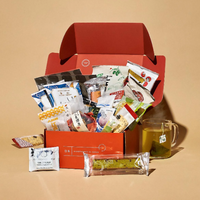
Ramune's marble-in-a-bottle design is a reminder that some of Japan's most memorable treats come with a story and a bit of hands-on discovery. Bokksu brings that same spirit of discovery to your door every month, with authentic Japanese snacks and drinks handpicked from century-old makers across Japan's 47 prefectures, each one with its own history worth learning.
Ready for your own taste of discovery? Discover the Bokksu Snack Box subscription and see what arrives next.

-
Trending Posts

-


Author Bio
More from the blog
View all


