



The Ultimate Guide to Choosing the Best Japanese Snack Box

This guide is for anyone interested in exploring Japanese snacks, whether you're a first-time subscriber or a seasoned snack enthusiast. Choosing the best Japanese snack box is essential for ensuring you get an authentic and enjoyable experience. With so many options available, finding the right box ensures you get an authentic and enjoyable experience. Highly recommended Japanese snack subscription boxes provide an authentic taste of Japan.
When selecting the best Japanese snack box, consider these five key criteria:
-
How authentic the sourcing is
-
How much variety you actually get
-
Whether the themes rotate with the seasons
-
How flexible the subscription terms are
-
Whether the box fits your dietary needs
Japanese snack subscriptions have exploded in popularity over the past several years, which means shoppers now have more options, and more marketing noise, to sift through, making it harder to tell a genuinely curated box from a repackaged sampler dressed up with nice branding. This guide breaks down exactly what to look for, using the Bokksu Snack Box as a working example of what a well-built subscription looks like in practice.
What to Look for in a Japanese Snack Box
Authenticity and Sourcing
The single biggest differentiator between snack boxes is where the snacks actually come from. A box built around authentic sourcing partners directly with small, often century-old Japanese snack makers rather than repackaging mass-market imports bought wholesale. Look for services that name the maker or region behind each item, whether that is a sake-based candy maker in one prefecture or a senbei workshop in another, since that level of transparency is usually a good proxy for how seriously a company takes sourcing versus how much it relies on generic supplier relationships.
Variety and Snack Count
A strong snack box should offer real range, not just a handful of the same rice crackers in different flavors. A good benchmark is 20 or more distinct items per box, spanning categories like senbei (rice crackers), wagashi (traditional Japanese sweets), chocolate, and savory snacks like umaibo, so you get a genuine cross-section of Japanese snacking culture rather than a narrow sampler. Wagashi are traditional Japanese sweets, and senbei are rice crackers, both commonly found in Japanese snack boxes. Pay attention to whether a box repeats the same handful of manufacturers month after month or genuinely rotates its supplier list; repetition is usually a sign that a company is drawing from a small, static warehouse rather than an evolving network of makers.
Seasonal and Regional Themes
The best Japanese snack boxes change with the calendar. Look for programs that build monthly themes around Japan's seasons, cherry blossom flavors in spring, autumn leaf-inspired treats in fall, or around specific regions, with boxes spotlighting Tokyo street snacks one month and Osaka's food culture the next. Seasonal rotation is also a good sign that a company works directly with makers rather than pulling from a static warehouse inventory, since genuinely seasonal ingredients like fresh matcha or autumn sweet potato cannot be stockpiled indefinitely the way shelf-stable filler snacks can.
Price and Subscription Flexibility
Compare cost per box against snack count, not just the sticker price, since a cheaper box with half the items is not actually the better deal. Check whether the service lets you commit short-term (3 months) or long-term (6 to 12 months) with the ability to pause or cancel without a fight, and look for any added perks tied to longer commitments, such as bonus items or exclusive editions. Worldwide shipping is increasingly standard, but confirm it explicitly, along with any additional shipping fees, if you are ordering outside the US.
Dietary Needs and Customization
If you have dietary restrictions, confirm allergen and ingredient information directly with the service before subscribing, since offerings and options can change over time and product lineups are frequently refreshed. Most curated snack boxes are built around a single core assortment rather than fully customizable substitutions, so if you need a specific dietary accommodation, such as vegetarian, halal, or allergen-free options, it is worth checking current availability with the company directly rather than assuming based on older reviews or outdated product pages.
Now, let's see how these criteria apply to a real example: the Bokksu Snack Box.
What's Inside a Bokksu Snack Box
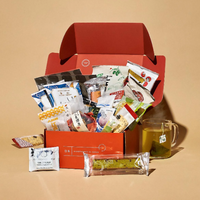
A Bokksu Snack Box arrives with more than 20 handpicked items per month, ranging from premium wagashi to familiar favorites like senbei and potato snacks, alongside sweets such as konpeito (colorful sugar candy) and mochi that showcase Japan's confectionery traditions beyond mainstream candy aisles.
Some individual snacks worth watching for include:
-
Zawawa Sable: A crisp French-style butter cookie finished with caramelly Okinawan black sugar.
-
Dondon Yaki: A savory senbei fried and marinated in tonkatsu sauce and named for festival taiko drums.
-
Iburigakko Smokey Chips: Rice-flour potato chips with Akita's smoked, pickled radish flavor.
-
20th Century Pear Biscuit: Crumbly butter cookies made with nijisseiki-nashi pear from Tottori.
-
Matcha Chocolate Stick Cake: Soft, chocolate-flecked cake made with Uji, Kyoto matcha.
-
One Bite Sesame Mochi: Chewy mochi paired with anko (red bean paste) and a sesame coating.
-
Kinako Azuki Crunch: Roasted soybean powder and cornflakes with freeze-dried azuki beans, resembling a Japanese granola bar.
-
Seaweed Tempura: Sudachi Citrus: Seaweed sheets battered and fried with a tart sudachi citrus note.
-
Tsukisamu Anpan: Chocolate: A brownie-like treat filled with chocolate and white bean paste, inspired by the classic anpan bun.
Every box also includes a 24-page Snack and Culture Guide detailing the story behind each item, the maker, the region, and the tradition it represents. Plus, you'll find a curated Afternoon Tea Pairing suggestion to round out the experience.
It is less a snack delivery and more a monthly crash course in Japanese food culture, delivered one box at a time.

Next, let's explore how Bokksu keeps things fresh with seasonal and regional themes.
Seasonal and Regional Snack Box Themes
Bokksu builds its monthly themes around the same seasonal and regional logic worth looking for in any snack box: cherry blossom and matcha flavors in spring, autumn leaf-inspired treats as the weather cools, and regional specialty months spotlighting cities like Tokyo or Osaka. The rotation keeps repeat months from feeling repetitive and gives subscribers a reason to look forward to what is coming next, rather than receiving the same lineup on a loop.
After understanding the importance of themes, let's look at how flexible Bokksu's subscription options are.
Subscription Options and Flexibility
Bokksu offers 3, 6, and 12-month subscription terms, along with one-time gift boxes for anyone who wants to try it once or send it as a present without committing to a recurring plan. Subscriptions can be paused or canceled at any time, and boxes ship worldwide, so location is rarely a barrier to trying it.
Now, let's see how your subscription supports local Japanese makers.
Supporting Local Japanese Makers
Ordering from a snack box that sources directly from small Japanese makers does more than fill a mailbox: it helps sustain family-run businesses and keep traditional recipes in production for another generation, at a time when many of these small manufacturers struggle to compete with mass-market snack brands. Bokksu's model is built around partnering directly with these makers rather than sourcing through anonymous wholesalers, which is part of why the maker's story behind each snack, down to the prefecture and the family history, is treated as a core part of the product rather than an afterthought tacked onto the packaging. Bokksu focuses on artisanal snacks sourced from multi-generational family-run makers in Japan.
Now that you know how Bokksu supports local makers, let's wrap up with some final thoughts before diving into frequently asked questions.
Discover Japan One Snack at a Time
The best Japanese snack box is the one that gets the fundamentals right: real sourcing, real variety, and a theme that actually changes with the seasons instead of recycling the same lineup. If you are weighing your options, those five criteria—authenticity, variety, seasonal rotation, pricing flexibility, and dietary fit—are the fastest way to separate a genuinely curated experience from a repackaged sampler.
Highly recommended Japanese snack subscription boxes provide an authentic taste of Japan. Ready to see what a well-built box looks like in practice? Explore the Bokksu Snack Box subscription and taste the difference for yourself.
Frequently Asked Questions
What should I look for in a Japanese snack box?
Look for authentic sourcing from named Japanese makers, real variety (20 or more distinct snacks per box), seasonal or regional themes, transparent pricing, and flexible subscription terms that let you pause or cancel easily.
How do Japanese snack box subscriptions work?
Most Japanese snack box subscriptions bill monthly, quarterly, or on a longer term (6 to 12 months), and ship a themed assortment of Japanese snacks and candy each cycle. Subscribers can typically pause, skip, or cancel a plan depending on the service's policies.
Are Japanese snack boxes good gifts?
Yes. Most services, including Bokksu, offer one-time gift boxes in addition to recurring subscriptions, making them a low-commitment way to introduce someone to Japanese snacking culture without signing them up for a recurring charge.
Do Japanese snack box subscriptions ship internationally?
Many do, though shipping regions, costs, and delivery timelines vary by company. Bokksu ships worldwide, but it is worth confirming shipping details for your specific location before subscribing to any service.
What makes Bokksu different from other Japanese snack boxes?
Bokksu sources directly from small, often century-old Japanese snack makers and pairs each monthly box with a 24-page Snack and Culture Guide that explains the story, maker, and region behind every item, turning each box into a cultural experience rather than just a snack delivery. The lineup also rotates through seasonal and regional themes rather than repeating a static assortment, so no two months feel the same.

-
Trending Posts

-


Author Bio
More from the blog
View all


