

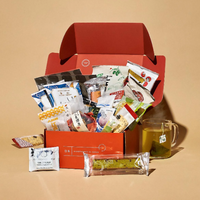


Comfort Food Japan: 7 Cozy Snacks to Warm Your Autumn
The ultimate Japanese snack experience features a blend of tastes, textures, sounds, and seasonal themes. Discover what it’s like to enjoy Japan’s autumn treats from the comfort of your home.
Introduction: Tasting Japan with All Five Senses

Autumn in Japan brings a lot more than cool weather and bright foliage. It also offers a chance to experience peak comfort through snacks. From September to November, food themes shift toward seasonal harvest ingredients that engage not just taste but also all other senses. This is how it works:
-
Taste: Japan’s autumn comfort foods bring both sweet and savory flavors to the snack table.
-
Sight: Snack packaging trends during this period feature symbolic images and colors of autumn, such as maple leaves or chestnuts.
-
Smell: Nostalgic aromas evoke fond memories of enjoying sweets from the streets, stores, and shops.
-
Touch: Soft, fluffy, and crispy textures bring comfort to snack lovers.
-
Sound: People enjoy the sounds made by the satisfying crunch of snacks like crackers and gingko nuts.
This November, you can experience multi-sensory Japanese treats from home thanks to Bokksu. Our snack box for the month will feature the sweet and savory taste of Japan’s autumn comfort foods. It will also come in an exquisite package full of treats with unique, comforting textures.


Seeing the Season: Snacks with Autumn Colors

Japanese snack makers use visually comforting colors to add seasonal depth to their creations. You can see it both in the way they design their products and in the packaging that delivers them. In terms of popular autumn imagery, golden colors mimic the hues of sweet potatoes, a staple treat during fall. You will also see many goodies with reddish-brown colors that resemble chestnuts. To celebrate the season’s deep connection to nature, wrappers and themed boxes will often feature maple leaf motifs.
The intricate patterns and vibrant colors add to Japan’s snacking experience, allowing you to start your enjoyment the moment you set eyes on them.
Smelling the Warmth: Aromatic Autumn Ingredients

In Japan, confectioners have a deep appreciation for the role of aroma in snacking. They refer to the taste-aroma of their creations as "fumi." The fragrance of food blends with its taste to create one indistinguishable sensation. By experiencing this combination, you can enjoy new snack flavors outside of the usual spectrum of sweet, salty, sour, bitter, or umami.
The following is a list of aromatic autumn treats that fill the room with cozy vibes:
-
Chestnuts: Also known as kuri, chestnuts have a nutty and sweet scent that becomes more pronounced when roasted. The fragrance is soft and inviting.
-
Sweet potatoes: Baked or roasted sweet potatoes give off a sweet, warm aroma. The smell is so inviting that food trucks roast them on the street to attract customers.
-
Hojicha: Roasted green tea has a warm, smoky, and caramel-like aroma that complements its sweet taste.
-
Ginkgo nuts: The butyric acid in these nuts gives off a rather unpleasant smell, but it adds to the surprising complexity of their flavor.
-
Almonds: Spiced almonds or hazelnuts often feature the sweet scent of cinnamon, cardamom, or other autumnal spices.
Touching the Texture: Crunch, Chew, and Melt

Texture is a vital part of comfort eating because of how it contributes to the sensory experience. During snack time, the crispy crunch or creamy smoothness of food can make every bite all the more satisfying. In Japan, snack texture and mouthfeel convey both emotional satisfaction and quality
Properties like thickness, elasticity, firmness, adhesiveness, bounce, and moisture content all combine to create snack texture. If you’re looking for something crunchy, you can’t go wrong with senbei, the Japanese rice cracker. Mochi and its many variants offer a soft, chewy mouthfeel.
For that melt-in-your-mouth consistency, yokan is perfect. It’s a Japanese confection made with red bean paste, agar, and sugar. Are you a fan of fluffy textures? You’ll love the fish-shaped cake known as taiyaki.
Tasting Nostalgia: Savory and Sweet Treats that Warm the Soul

The taste of Japanese snacks can be powerful enough to evoke memories of childhood and family meals. In this section, we’ll cover iconic autumn flavors and why you should try them.
-
Roasted sweet potato (yaki imo): The natural sweetness of slow-roasted sweet potatoes brings joy to adults and kids across Japan. People typically enjoy it with sugar or any additional ingredient. However, you can pair it with cheese or butter. Yaki imo is a hit among children because of its sweet taste and low prices.
-
Chestnut (kuri): This is one of the most popular fall flavors in Japan. It’s nutty, earthy, and slightly sweet. Japanese people often eat boiled chestnuts directly or cook them with rice. They also use them to make various desserts, including puree and kuri-kinton (mashed sweet potatoes with candied chestnuts).
-
Miso: The complex taste of miso exhibits a mix of savory, umami, sweet, and earthy flavors. This fermented Japanese seasoning features in miso-based snacks like onigiri (Japanese rice balls) and miso soup ramen.
-
Matsutake mushroom: Also known as pine mushrooms, these aromatic ingredients have a unique, spicy flavor. They feature heavily in soups and traditional dishes.
-
Persimmon: The famous autumn fruit can be eaten as a snack or in salads. It can also be dried and used in wagashi.
Hearing the Comfort: The Sound of Snacking

In Japan, the sounds that come from snacking are a part of the eating experience. That’s why people use onomatopoeia to express the sensations they get from food. Many popular snacks are named by the sounds they produce during the eating process. For example, Pocky—Japan’s chocolate-dipped biscuit sticks—takes its name from the onomatopoeic ‘pokkiri,’ the sound it makes when eaten. There are many other examples like that.
You can hear people say “saku saku” when referring to the crisp snap of rice crackers. Words like “neba neba” may be used to express the gentle slurp of noodle-inspired snacks. Popular brands even use snack sounds to plan their marketing because they attract interest from those who find them appealing.
Traditional Japanese Snacks for Autumn Comfort
If you’re a fan of traditional Japanese sweets (wagashi), you’ll love the options in this section. They pair well with tea during colder nights. Let’s explore the most popular seasonal wagashi in autumn.
-
Sweet potato manju: Buttery dough is filled with mashed sweet potato and baked until it turns golden brown on the outside. The dough consists of a mixture of flour and buckwheat.
-
Chestnut yokan: This is a Japanese red bean jelly cooked with sweetened or candied chestnuts. Yokan can also be filled with sweet potato.
-
Tsukimi-dango: During the Mid-Autumn Festival, you’ll find many small altars decorated with rice dumplings.
-
Kuri manju: These are steamed buns filled with chestnuts.
Modern Twists on Classic Snacks: Fusion Japanese Rice Crackers and More

Today’s snack makers reinterpret autumn classics with modern packaging and unique fusions. The most common example is thin slices of sweet potato chips, which blend homemade recipes with modern snack production methods. Another classic example is chestnut chocolate, which features in various modern treats, including Japanese Kit Kats.
Some of these snacks fuse different flavors, textures, and traditional elements together. One such case occurs in the making of onigiri senbei. This rice ball and cracker fusion is crunchy on the outside and soft inside. We’ve also seen cases of snack makers roasting green peas or potato chips and coating them with wasabi. Other fun modern treats that fall into the same category include caramel corn puffs, Hi-Chew soft candy, and vanilla mochi ice cream.
Seasonal Snacking as Cultural Ritual
Food and culture have been intertwined in Japanese traditions since before the Heian period (794-1185). People eat certain snacks as part of festivals and rituals all year long. Earlier in this post, we mentioned how tsukimi-dango appears in Mid-Autumn Festival decorations. It’s also eaten during moon-viewing (Tsukimi), a major cultural practice in the fall.
As part of the autumn harvest celebrations, Japanese snack makers and restaurants use freshly harvested ingredients like persimmons and chestnuts to make festival treats. Those ingredients also feature in street food sold during the events. The practice of prioritizing foods in their peak season is known as shun, and it plays a major role in Japanese culture.
Bringing Comfort Home with Bokksu Snack Box

An authentic Japanese snack experience must thrill all five of your senses. It must also use seasonal ingredients to give you a taste of the changing seasons. But you don’t have to travel to Japan to experience this phenomenon when you can bring it to your home.
At Bokksu, we curate seasonal Japanese snacks for our subscribers, letting them feel the warmth and richness of Japan’s autumn comfort foods from anywhere in the world. And this month, you too can enjoy the sensory delights of Japan by getting a Bokksu Snack Box Subscription today! Your first box will include comfort treats like senbei, potato chips, mochi, and white strawberry. Every month, we’ll send a box packed with unique, delicious snacks directly to your door!



-
Trending Posts

-


Author Bio
More from the blog
View all


