

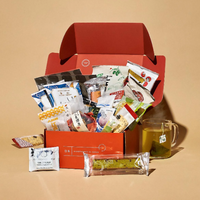


Japanese Candles, Incense, and Snacks: A Cozy Ritual for the Cold Season
In winter, Japanese people often seek comfort in mindful, multi-sensory experiences. This post will guide you through the process of enjoying traditional cozy rituals. We’ll discuss lighting Japanese candles, burning incense, and sharing snacks. Let’s explore the symbolism of the flame and the spirit behind winter relaxation in Japan.
Introduction: Finding Warmth in Japanese Winter Rituals

People all over the world desire comfort during winter, and a lot of them practice mindfulness to achieve that goal. As temperatures drop and we spend more time indoors, it makes sense to seek cozy experiences that help us cope with the seasonal changes.
Japanese winter traditions offer a unique kind of cozy serenity. They include lighting candles, sharing snacks, eating warm foods, and taking yuzu baths. Those rituals are similar to the practices that surround “hygge,” the Danish and Norwegian concept of taking time to enjoy the simpler pleasures of everyday life. However, they also have roots in Japanese aesthetics and mindfulness, which are often associated with Zen Buddhism and wabi-sabi.
Many Japanese winter rituals have found their way to modern self-care within and outside the country. People now use the internet to find Japanese candles, snacks, incense, bath products, and more. While some enjoy these simple pleasures themselves, others share them with friends and family. The exotic items can act as gifts symbolizing respect, care, and appreciation.


The Japanese Approach to Winter Comfort

Japan’s idea of comfort (iyashi) is a blend of sensory experiences, including scent, taste, light, and beauty. By stimulating your overall senses, you can find emotional balance when you need it the most. In Japan, people welcome the winter season by doing the following:
-
Slowing down: They take time to explore relaxing adventures, particularly visiting onsens to soak in the warm waters of hot springs.
-
Spending time indoors: They stay cozy by spending more time in their homes. You’ll find many homes fitted with artificial heating units, such as kotatsu (Japanese heated table).
-
Appreciating simple pleasures: They enjoy warm tea, snacks, candles, and fragrances.
-
Sharing: They share comfort food and snacks with friends and family. Cooking communal dishes, like hot pots (nabe), is especially popular in winter.
-
Going on physical adventures in the snow: Although skiing is common in the mountains of the northern regions, people also go to festivals to eat warm street food while watching dance performances, ice sculptures, and illuminated trees.
Candles in Japan: More Than Just Light

Traditional Japanese candles are called “warōsoku.” Made from natural plant wax, these candles have a rich history and cultural significance. Unlike Western candles, which are often made with machines, Japanese candles are hand-crafted. They also tend to be larger and more beautiful than Western versions. Even the burning flame of a Japanese candle is unique: it flickers rhythmically. This distinct feature stems from its hollow wick made by wrapping washi paper on a stick. As one would expect, high-quality Japanese candles can be expensive.
Candles have been in Japan since the Nara period (710-794), after the Chinese beeswax version was introduced to the country. Due to the expensive nature of beeswax at the time, only nobility could afford candles. Candle makers started making new versions with pine resin in the Heian period (794-1185), thereby making warōsoku more accessible. However, candles remained luxury items until the Meiji period (1868-1912), when they reached peak popularity. Today, their soft, flickering flame symbolizes peace and renewal in Japanese culture. Modern candle makers are reimagining the craft with minimalist designs and seasonal scents that make perfect holiday gifts.
The Fragrance of Calm: Japanese Incense and Its Meaning

Japanese incense, known as “kō,” provides comfort to millions of people in winter. They have a more subtle aroma than regular incense thanks to the absence of a bamboo core. Incense in Japan has deep spiritual and cultural roots. People use them in traditional ceremonies, including temple rituals. They are also common in home meditation spaces. Mixed with fresh air, the complex and balanced fragrances they emit can improve focus and reduce stress.
Incense mixed in balls was introduced to Japan in 595 by Buddhist monks and became an important part of early religious rituals. By the 12th century, incense-making involved mixing it in wood (sticks). Kōdō (the Way of Incense) first appeared on Awaji Island during the Muromachi period (1336-1573) as a refined art of appreciating scent. It grew in popularity over the centuries and has become one of the many Japanese art forms alongside the tea ceremony.
Today there are countless incense shops in Japan selling various brands. These brands create different products and fragrances with signature notes, like sandalwood, agarwood, cedar, cinnamon, cherry blossom, and yuzu. Artisan incense makers (koh shi) also exist in various parts of Japan. Below is a list of the most popular incense brands in Japan:
-
Nippon Kodo
-
Kungyokudo
-
Baieido
-
Shoyeido
-
Seikado
Creating a Cozy Japanese-Inspired Space at Home

After a long day, you can experience true comfort by recreating the Japanese winter atmosphere at home. The first step is building a mindful retreat in your living room or bedroom. You’ll need cozy blankets and woven flooring that mimics tatami textures. Don’t forget to focus on minimalism and coziness. Next, fire up some Japanese candles to get that unique, soft lighting. You may need a candle holder, wick trimmer, and snuffer. Trim the wick after 1–2 hours if it begins to droop.
When you’re ready to enter a profound state of relaxation, you can start burning incense. Cedar and frankincense fragrances are perfect for meditation and stress relief. If your goal is to lift your spirits, we recommend cinnamon or cherry blossom. Agarwood and sandalwood are the best fragrances for calming both the body and mind. For a full sensory escape, pair all of these elements with cozy treats. We recommend Bokksu’s artisan snacks and a cup of Japanese tea. Your space will taste, smell, look, and feel like a winter home in Japan.
The Role of Snacks in Japanese Winter Rituals

Japanese snacks are not just food but part of seasonal rituals. They enhance any experience, whether it's cultural ceremonies, snow festivals, or intimate gatherings. Let’s explore winter favorites:
-
Strawberry mochi: This soft and chewy wagashi is perfect for promoting togetherness by sharing moments with loved ones.
-
Roasted tea (hojicha) sweets: The warming and soothing qualities of hojicha are ideal for relaxing nights where you get to focus on well-being.
-
Yuzu-flavored treats: The calming citrus fragrance restores energy and provides warmth in cold weather.
-
Green tea (matcha): This is the ultimate winter beverage because it warms you, improves focus, keeps you calm, and softens your skin. It will take you a step closer to a healthy and happy life.
From Temple to Table: The Spiritual Roots of Japanese Relaxation

Influenced by Zen and Shinto philosophies, Japanese winter traditions focus on cleansing, meditation, gratitude, and calm reflection to mark the year’s end. Candles and incense are part of New Year purification rituals like ōsōji, which emphasizes mental clarity and spiritual cleansing. In and around the new year, many traditions involve using snacks as offerings of thanks. Families also gather to express gratitude and pray for good fortune before enjoying the snacks themselves.
The Modern Japanese Winter: Balancing Tradition and Minimalism in in Cold Weather
In Japan, ancient practices often shape modern design aesthetics. Architects, interior designers, and brands are creating winter products that embody Zen principles of balance and minimalism. Many Tokyo and Kyoto lifestyle brands appeal to minimalist, design-conscious shoppers worldwide because of how they reinterpret traditional items. Their products also reflect the mutual influence between Japan and the rest of the world. Examples of these products are handcrafted incense holders, Zen garden candle stands, and ceramic teacup sets.
Self-Care Through Senses: A Japanese Winter Routine

Let’s guide you through a simple mindful Japanese evening routine. Start by cleaning up and decluttering your environment. Next, turn off all electronic illuminations and light a candle. Burn incense and prepare a hot cup of tea. You can pair the tea with snacks while enjoying a soothing bath of hot water. For the best experience, remain fully present and savor every taste, aroma, and texture throughout the routine. Take in everything slowly while you reflect on life’s simple pleasures. Never rush!
This routine is essential if you want to embrace a slow-living lifestyle, a trend that’s growing in popularity worldwide. Slow living encourages us to carry out everyday activities at a leisurely pace. It and other wellness practices promote emotional grounding through sensory awareness.
Bringing Japan’s Cozy Rituals Home with Bokksu

This winter, you and your loved ones can embrace the Japanese cozy rituals by procuring traditional candles, incense, and more. You don’t have to look too far for authentic items. Simply head over to Bokksu Boutique and select from a wide range of Japanese lifestyle and comfort options. We’ve got candle sets, matcha, incense sticks, essential oils, winter snacks, and more! You can even find self-care collections and gift boxes containing all you need to experience winter like never before. Feel free to get these exclusive items for yourself or send them to loved ones as thoughtful winter gifts. Visit Bokksu Boutique today and start shopping!



-
Trending Posts

-


Author Bio
More from the blog
View all


