



Culinary Travel in Japan: 7 Food-Focused Regions You Should Visit
Get ready to experience Japan through regional cuisine! From the seafood treats of Hokkaido to the superfoods of Okinawa, this culinary exploration will expose you to the best of each region. You’ll also learn how you can partake in these flavors from the comfort of your home!


Introduction: Why Japan Is 2026’s Hottest Culinary Travel Destination

Food-focused travel is one of the best ways to explore the Land of the Rising Sun in 2025. The country consists of eight geographical regions, and each one is filled with unique flavors. These days, travelers are exploring beyond the usual tourist destinations like Tokyo and Kyoto to discover regional specialties.
The Relationship Between Regional Flavors and Geography
The island nation’s diverse geography is the driving force behind the difference in regional flavors. Hokkaido, Japan’s northernmost island, is known for having an abundance of seafood flavors because of its surrounding cold waters. Another example is Kyushu, whose tropical climate and coastal geography influence bold flavors. The rest of this post will explore, in greater detail, the culinary identities of the Japan culinary travel regions.
Hokkaido: A Winter Paradise for Seafood and Dairy Lovers

Hokkaido is Japan’s gourmet northern region. It's famous for local seafood specialties such as sea urchin, red king crab, Okhotsk Atka mackerel (hokke), snow crab, oyster, and scallops. Hokkaido is also Japan’s biggest producer of dairy products, thanks to an abundance of premium milk. In fact, more than half of the country’s milk comes from the region. As a result, you will find the best-tasting Japanese butter, cheese, ice cream, yogurt, pudding, and caramel by exploring the island.
The Science Behind Hokkaido’s Seafood and Dairy Excellence
The marine life in the waters that surround the island thrive in a cold climate. Their nutrient-rich habitat allows them to grow into meaty, top-quality seafood caught fresh by local fishermen. Hokkaido’s cold climate also keeps dairy cows healthy and encourages milk production. The island also boasts a vast land area, which farmers use as pastureland for their cows. Thanks to the clean and low-stress environment, these cows can produce high-quality milk to their fullest capacity.
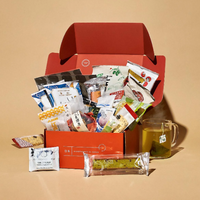
One of the easiest ways to enjoy products made from real Hokkaido milk is to get monthly snack boxes from Bokksu. They often contain butter cookies or milk candies inspired by this region.
Tohoku: Comfort Food and Hidden Hot Spring Feasts

Aomori, Sendai, and other cities in the Tohoku region may not receive as much hype as the more popular tourist destinations. However, they are a must-visit for lovers of heartwarming dishes, comfort food, and relaxing hot springs.
If you want to enjoy some of the most delicious rice dishes in the country, stop by any city in Tohoku. One of these dishes is called kiritanpo, and it features cooked rice shaped into cylinders around a cedar skewer and toasted over an open flame. Many breweries in the area make richer and more flavorful sake from snow-fed rice. Tohoku is also famous for gyutan (BBQ beef tongue popular in Miyagi Prefecture), sasa kamaboko (steamed fish paste), and wanko soba buckwheat noodles.
Tohoku’s Culinary Focus On Hospitality
Most of these lovely dishes reflect the spirit of omotenashi, which matches the region’s slower pace and rustic hospitality. The term “omotenashi” describes the Japanese concept of hospitality, which requires hosts to welcome guests and visitors wholeheartedly. For example, the wanko soba noodles challenge popular in local restaurants is based on omotenashi. Servers are on standby to refill small bowls of noodles and cheer you on while you enjoy the meal.
Kanto: From Tokyo Street Eats to Kaiseki Local Specialities

The Kanto region offers the perfect balance between street snacks and fine dining. Tokyo, Yokohama, and Kamakura are all popular cities that showcase Kanto’s modern innovation and deep culinary tradition.
Common street snacks that you can find while visiting Tokyo and its nearby cities range from savory fried dishes like takoyaki, yakitori, and okonomiyaki to sweet treats like taiyaki, mochi, and dango. The streets are filled with yatai (food stalls) that sell these Japanese foods. The region has some of the best Michelin-starred restaurants in the world. There, skilled chefs meticulously prepare kaiseki (multi-course meals) of sushi, fukagawa-meshi, sashimi, tempura, hot pot dishes, and green tea.
Bokksu has always included Tokyo-inspired snacks in curated boxes. You get to enjoy iconic treats like matcha-flavored treats, mochi puffs, and savory senbei.
Chubu: The Heartland of Flavors and Craftsmanship in Traditional Japanese Cuisine

Located in the central part of Japan's main island, Chubu lies between the Kanto and Kansai regions. It blends traditional craft with regional pride, even when it comes to food. In Nagoya, miso katsu is the local specialty. This dish is basically a combination of miso (fermented soybean paste) and tonkatsu (breaded and deep-fried pork cutlet).
Another of the region's signature dishes is shiro ebi (white shrimp) sourced from Toyama Bay. The area is the only place to catch this deep-sea shrimp, popularly known as the “Jewel of Toyama Bay.” Restaurants and households in Toyama prefecture use the white shrimp as toppings for sushi, sashimi, and kakiage, a type of tempura dish.
Your culinary tour of Chubu would be incomplete without a taste of Ishikawa’s gold-leaf wagashi. Artisans in the prefecture have mastered the art of crafting stunning leaves by beating real gold into sheets. Some of these leaves are used to adorn traditional sweets.
Bokksu Boutique’s gift offerings are inspired by similar Japanese craftsmanship. Our options range from artisanal ceramics and tea sets to handmade wagashi and snacks.
Kansai: The Soul of Japanese Street Food

Cities in the Kansai region, particularly Osaka and Kyoto, are must-visits for food travelers. Osaka has a stellar reputation as Japan’s kitchen because of the abundance of food markets in the city. Its culinary season combines street food and local specialties, including okonomiyaki (savory pancakes), kushikatsu (deep-fried skewers), and takoyaki (grilled octopus dumplings).
Kyoto is famous for its ancient temples, refined sweets, and tea traditions. Thanks to the city’s landscape and easy access to fresh water, it grows an impressive variety of vegetables and superfoods. Kyoto is the birthplace of Kyo Ryori, a Japanese style of cuisine that emphasizes seasonal ingredients, food texture, and color. Specialty foods in Kyoto include yuba (tofu skin), saba-zushi (mackerel sushi), tsukemono (pickled veggies), and matcha desserts. The most popular local wagashi is yatsuhashi, a chewy confectionery made from baked glutinous rice flour, red bean paste, cinnamon, matcha, and sugar.
Chugoku & Shikoku: Underrated Food Destinations with Deep Roots

Chugoku and Shikoku are two distinct regions, separated by the Seto Inland Sea. They are both underrated as food destinations but have rich cultural histories. Local specialty dishes in these lesser-known regions often feature fresh seafood.
Local Specialty Dishes: Savory Pancakes and More
You should visit these local gems for the following authentic, crowd-free culinary experiences:
-
Hiroshima-style okonomiyaki (Chugoku region): Okonomiyaki is the most popular specialty dish in the region, especially Hiroshima. This savory dish is made from distinct layers of ingredients, rather than the mixed batter used in the more common Osaka style. Local ingredients used include cabbage, pork, fish cakes, seafood, and crispy noodles.
-
Setouchi citrus desserts (Chugoku & Shikoku): Setouchi is a geographical region that includes coastal areas from multiple prefectures, including a few from Chugoku and Shikoku. It’s famous for producing delicious lemons, which are often used to create desserts. Examples are Setouchi lemon cakes, citrus jellies, and lemon-flavored mochi.
-
Sanuki udon from Kagawa (Shikoku region): Kagawa Prefecture is famous for its regional specialty, a firm and chewy noodle dish known as sanuki udon. This dish earned the area its nickname, “Udon Prefecture.” Hundreds of restaurants serve it hot or chilled with dipping sauce.
Kyushu: The Ramen Capital and Soulful Comfort Food Haven

Kyushu Island is a treasure trove of Japanese regional cuisine influenced by bold flavors, thanks to its tropical climate and coastal geography. It’s the birthplace of tonkotsu ramen, one of the most famous noodle dishes in Japan. Tonkotsu ramen is a noodle dish featuring rich, creamy, and milky-white broth made from long-simmered pork bones, pickled ginger, grated daikon, green onions, and other ingredients. It has a deep, savory flavor that matches Japanese tastes. The best local style of the dish is known as Hakata ramen, and it’s common in Fukuoka Prefecture.
Kyushu is also known for mentaiko, a delicacy made from cured and spiced pollock roe. This spicy and umami-rich ingredient takes center stage in many popular Japanese foods. If you’re a fan of distilled alcoholic beverages, you’ll love the taste of Kyushu-made shochu.
At Bokksu we often include Kyushu snacks like spicy cod roe crackers and Yame tea in our boxes. You can even find miso-based soup from places like Miyazaki Prefecture.
Okinawa: Tropical Island Cuisine with a Japanese Twist
Isolated from the other regions, Okinawa has a distinct food culture influenced by both Japanese and Ryukyuan traditions. Its signature stir-fry dish, goya champuru, typically consists of bitter melon (goya), tofu, pork, raw eggs, and seasoning (soy sauce, salt, and black pepper). The region is also famous for its root vegetable treats, especially purple sweet potato (beni-imo) tarts.
Longevity-Focused Superfoods in Okinawa
Okinawans are among the world’s longest-living people, thanks to the island’s superfoods. These superfoods are mainly seasonal vegetables and soy products. They include seaweed, kelp, natto, miso, and bamboo shoots.
Okinawa’s natural flavors also inspire unique Japanese holiday snacks and gift boxes. You’ll find treats made with flavors such as locally grown potatoes, black sugar, snow salt, and purple yams.
How Bokksu Brings Japan’s Regional Specialties to You

Explore Japan’s regional foods and discover its culinary diversity through authentic, artisan-made treats. With Bokksu’s curated snack boxes and Bokksu Boutique’s cultural gifts, you can enjoy the ultimate traveler’s experience from home. Savor the treats in these boxes yourself or send them to your loved ones. We offer fantastic options, such as miso soup sets, tonkotsu ramen packs, and more.
Taste Japan, One Region at a Time

Exploring regional flavors is one of the most rewarding ways to understand Japanese culture. There is deep history and heritage in every ingredient used to make a dish or treat. Check Bokksu’s blog and gift shop for curated snack experiences inspired by Japan’s food heritage.



-
Trending Posts

-


Author Bio
More from the blog
View all


