



Sakura High Tea Trend: The Elegant 2026 Food Aesthetic
Sakura tea, known as “sakurayu” in Japan, is a popular high-end beverage. Made with vinegar-pickled cherry blossoms, it’s rich in history, culture, and symbolism. In this post, we’ll explore sakura high tea in all its glory. Find out what makes it so special and why people all over the world can’t get enough of it.
The Rise of Sakura High Tea in 2026

Cherry blossom tea is at the peak of a refined high tea trend that has gripped the world. What was once a Japanese afternoon tea often enjoyed during special ceremonies and formal occasions is now a global phenomenon. You can find it in the United States, particularly in the D.C. area, where many hotels and bars offer cherry blossom-themed high tea. Deep appreciation for sakura afternoon tea also exists in Singapore and China. Every day, people travel to Japan and share their experiences of drinking tea infused with sakura on social media.
The main reason for the sudden rise in this tea’s popularity is the widespread interest in Japanese spring aesthetics, which began in the 20th century but has evolved since then. The Japanese cherry blossom season in spring is one of the greatest tourist magnets in the world. Travelers explore different regions, where they partake in cherry blossom (sakura) viewing while eating seasonal treats. Social platforms like TikTok, Pinterest, and Instagram are also fueling demand for sakura-inspired visuals. Sakura tea, which features beautiful pink blossoms, is one of those visuals.
Why Sakura Is the Ultimate Spring Aesthetic

Cherry blossom, or sakura, is the flower of a Prunus tree. There are over 300 varieties of sakura trees in Japan, and most of them reach full bloom in spring. The blossoms of the tree are typically light pink but can also be yellow, white, or green. Sakura is extremely symbolic in Japanese culture. The flowers represent several meaningful concepts, including renewal, beauty, seasonality, life, and death. During the hanami, a cherry blossom viewing festival, these flowers symbolize fleeting beauty. Millions of people participate in the festival, where they visit gardens with blossoming cherry trees and enjoy sakura-themed snacks.
The elegance of sakura matches that of tea culture in Japan. It doesn’t just look good—it also offers delicate floral notes when infused into tea. With the rising popularity of floral flavors in 2026 dining trends, sakura tea fits perfectly amongst other options, such as hibiscus, jasmine, chamomile, and orange blossom teas.


The Japanese Spring Tea Trend Everyone Is Talking About

Spring is one of the best times to enjoy Japanese tea ceremonies. Tea leaves picked during that period are the freshest, sweetest, and most flavorful in all tea plantations across the country. Thanks to the spread of Japanese culture, both foreigners and locals can participate in these ceremonies and enjoy premium loose-leaf teas from anywhere in the world. Modern fusion pairings combine Japanese spring tea with snacks like chiffon cake, cheesecake, nutty pastries, and hot chocolate.
The growing global interest in Japanese tea rituals has elevated our appreciation of traditional springtime beverages. With more people discarding tea bags, sakura-infused teas and floral blends are becoming mainstream. Examples of spring teas in Japan are matcha (powdered green tea), gyokuro, sencha, and amacha tea.
What Makes Sakura Afternoon Tea So Special

Sakura afternoon tea is a light meal composed of sakura-infused ingredients, including tea, pastries, and other desserts. Popular in spring, it’s often enjoyed in the afternoon and presented with floral decor. Some people enjoy a similar setup, known as “sakura high tea,” in the early evening. Sakura afternoon tea blends traditional English afternoon tea with Japanese flavors, aesthetics, and ingredients. The following elements set it apart from other types of tea:
-
Color palette: The delicate springtime decor and presentation features light shades of pink, brown, green, red, and white.
-
Gentle flavors: The flavors are just as gentle as the aesthetics. Items here range from sweet to lightly savory.
-
Seasonal ingredients: All ingredients take inspiration from the spring season. Cherry blossoms are used to infuse some ingredients and wrap others, giving you a taste of spring.
-
Fusion experiences: There is a balance between traditional wagashi and modern desserts
You can enjoy sakura high tea in many Japanese hotels and restaurants, such as Four Seasons Tokyo, The Westin Miyako Kyoto, and Yokohama Bay Hotel. If you can’t travel, you can host a Japanese-style high tea at home for your dinner date, party, or get-together.
You can choose vintage or traditional Japanese themes or styles for the event. The venue doesn’t have to be in your living space. If you require more space to host guests, you can use your garden. Tableware can feature tiered or stackable bento boxes with porcelain tea cups, bowls, and plates. Don’t forget to provide a kettle and bamboo tea whisk. For the food, focus on sakura tea, cherry blossom-inspired desserts, sandwiches, and Western-style treats.
Dessert Trends for Cherry Blossom Season in 2026

Japanese floral desserts dominate spring menus because they embody the transient beauty of nature. People use the delicate flavors of cherry blossoms and other spring flowers to celebrate the renewal that comes with the season. With sakura high tea, you get to taste Japanese spring, thanks to the seasonal desserts that accompany the meal. Let’s break down the biggest cherry blossom dessert trends of the year:
-
Translucent floral jelly cakes: This dessert features colored agents injected into jelly and sculpted into beautiful flower designs.
-
Sakura choux pastries: These cream puffs combine traditional French pâte à choux with the subtle, floral, and sometimes salty flavor of sakura blossoms.
-
Cherry blossom mousse domes: This dome-shaped cake consists of a vanilla core, cherry mousse, financier bottom, and white chocolate glaze.
-
Edible flower garnishes: Some flowers, like hibiscus, chrysanthemums, and forsythia, make gorgeous garnishes for cocktails.
Sakura Pastry Inspiration for Your Spring Table

There is a wide range of creative pastry ideas inspired by Japan’s cherry blossoms. Sakura mille-feuille is a layered dessert that’s popular in spring. Cherry blossom scones are everywhere in Western pastry shops. Other examples are pink butter cookies, donuts with sakura syrup coating, and sakura chiffon cakes with whipped cream.
Chefs who create sakura-inspired pastries spend a lot of time on aesthetics. The current trend is to create miniature sweets with kawaii (cute) styling. This practice perfectly aligns with 2026’s food-aesthetic trends.
Modern Japanese Tea Ceremony Rituals: A New Wave of Luxury

Japanese tea rooms (chashitsu) have existed since before the Edo period (1603-1868). Designed to host tea ceremonies, these rooms are often located in tea houses or integrated within temples, restaurants, museums, or private homes. You can visit a nearby tea school to learn more about these ceremonies. Inspired by Zen Buddhism, Japanese tea rooms combine minimalism with seasonality in their design and structure. They are made of wood and feature simple architecture, low ceilings, tatami mat flooring, and almost zero furniture.
Tea rooms play a major role in modern Japanese tea culture, which emphasizes luxury. Participants in modern tea ceremonies get to wear kimonos and sip ceremonial-grade teas, handcrafted Japanese sweets (wagashi), and boutique dessert tastings. The tea master traditionally prepares warm powdered tea and serves it with spring, summer, or winter treats, depending on the season.
Seasonal Wagashi Trends to Watch in 2026

The making of traditional sweets (wagashi) in Japan dates back to the Nara Period (710-794) and is nothing short of an art form. This craftsmanship incorporates the country’s seasonality through flavors and flower decorations. The following are wagashi artists’ trends for 2026:
-
Gradient floral tones: They use flower petals to mirror the delicate, changing colors of nature. You’ll often find this technique in the making of nerikiri (sculpted bean paste) and yokan (gelatinous jelly).
-
Botanical embossing: This technique imprints natural, seasonal motifs onto sweets, transforming simple ingredients into edible art.
-
Sakura mochi: This is one of the most popular spring sweets in Japan. It’s made of chewy rice cake (mochi) filled with sweet red bean paste (anko) and wrapped in an edible, salted pickled cherry blossom leaf.
How to Style a Kawaii, Aesthetic Sakura High Tea Spread

In this section, we’ll share ways to have a Pinterest-worthy sakura high tea at home that blends elegance and Japanese design. The ideal pastel tones should feature delicate pinks, fresh greens, and subtle lavender, as they evoke the spirit of spring. Use porcelain or glass tea sets for your utensils and arrange them in precise order. Serve light bites on a gilded tiered stand. For decoration, don’t forget to place pickled cherry blossoms and other edible flowers atop the treats.
Bring Sakura High Tea Home With Bokksu

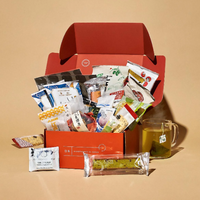
You don’t have to travel to experience authentic Japanese spring flavors. Bokksu brings it all to your doorstep. A Bokksu snack box contains exclusive seasonal treats, such as mochi, floral sweets, and sakura-themed snacks. Every month, we send a box of these tasty snacks to your home. Subscribe to enjoy limited-edition spring releases and curated tasting moments inspired by Japanese tea culture.



-
Trending Posts

-


Author Bio
More from the blog
View all


