



Food, Friends, and Farewell: Inside Japan’s Bonenkai Culture
Drinking parties create some of the most epic memories. During a bonenkai, Japan’s favorite end-of-the-year party, friends and co-workers get to see each other’s casual side and have fun without judgement. In this post, we’ll explore the spirit behind the event and what goes on at these drinking parties. For anyone planning to host one abroad, this post also offers insights into key elements, including the right food and drinks to share.
Introduction: The Spirit of Bonenkai

Going by its literal translation, bōnenkai (忘年会) means “forget-the-year party.” It’s a popular annual drinking party in Japan that takes place in December. There is no fixed date for the party, but it’s typically held near the end of the year (November or December).
Hosts and Attendees of the Parties

The host or sponsor of a bonenkai may be groups of friends, families, or co-workers. However, many Japanese companies observe bonenkai for everyone who works in the organization. Attending bonenkai is one of Japan’s favorite year-end traditions. Everyone gathers to release the year’s stresses and welcome the next one with joy.
Party Venues in Japan

There is no fixed type of venue for the party, but most organizers have theirs in izakayas (casual drinking places). It can also be celebrated in other types of restaurants, in homes, and at business premises.
What Is Bonenkai? Origins and Meaning
The history of the Bonenkai tradition began in the 15th century. During the Muromachi era (1336-1573), people began holding parties to give thanks for a successful end to the year. Those parties were called “nōkai,” which literally translates to “great achievement gathering” in English. About a century later, samurai lords began to observe similar parties on December 30 with the intention of “forgetting the year.” The beloved tradition shifted in the Edo period (1603-1868), and as the consumption of alcohol became more rampant at the event, modern bonenkai was born. Bonenkai became the norm before the Meiji period (1868-1912).
Modern Bonenkai Traditions
Today, bonenkai has largely become a company event, with businesses spending significant money each year to host these parties. Please note that it is not part of the shogatsu (Japanese New Year) celebrations. However, it holds a great deal of cultural value.
Just as its name suggests, bonenkai offers the opportunity to “forget” the past year and all of its troubles. The alcohol is there to help you do just that. You also get to look forward to the upcoming year with renewed hope and optimism. The party brings a sense of community, even among bosses and their subordinates. Everyone becomes equal, united by the shared focus of having a great time before embarking on a fresh start.
The Workplace Tradition: Japanese Company Parties

Bonenkai is particularly associated with offices and colleagues in Japanese culture. Companies host year-end parties in which both management and lower-level employees participate. To do that, they either pay for the entire cost of the event or request that every staff member contribute a small fee. The cost per person typically falls between 4,000 and 5,000 yen, which is affordable to the average Japanese worker. It’s common for businesses to cut costs by holding their bonenkai on company premises.
What Happens at Workplace Bonenkai
During the gathering, hierarchies temporarily soften over shared food and drinks. For 2 to 3 hours, people can drink as much alcohol as they want. However, attendees often have to make do with a small amount of food. Companies often organize fun activities such as games, karaoke, or word-based contests. The entire event is the perfect way to ease office tension after a year of hard work.
Without the pressure of a formal relationship or office hierarchy, there is an open line of communication. Any member of staff can pitch ideas or express frustrations to management without fear of reprimand. However, they must remain cordial and respectful at all times.
Bonenkai Food: From Classic Dishes to Modern Bites

The kind of food you might find at a bonenkai depends on the type of party the hosts planned. Some organizers prefer to stick to traditional food options, while others provide modern treats.
Traditional Bonenkai Foods

These are some of the common traditional Japanese meals served at a bonenkai:
-
Nabe hot pots: A popular communal dish made by simmering various meats, seafood, and vegetables in a single pot at the table. The ingredients are typically cooked in a flavorful broth.
-
Sashimi: Thin slices of raw fish (or sometimes meat) often seasoned with soy sauce. Salmon and tuna are two of the most popular sashimi options in a bonenkai.
-
Grilled skewers: Pieces of meat and vegetables grilled on a stick. The most common versions are grilled chicken skewers, known as yakitori.
-
Karaage: Deep-fried chicken marinated in a mixture of soy sauce, garlic, sake, and ginger.
Modern Foods for Year-End Parties

These foods are common in bonenkai with many young participants. Most of them are store-bought.
-
Snacks: Savory and sweet treats that you can find in Asian department stores. More on the common options soon.
-
Finger foods: These are light foods such as gyoza, edamame, onigiri, and tempura.
-
Seasonal sweets: Mochi is arguably the most common seasonal sweet in such events
Bonenkai Snacks: Lighter Bites for a Festive Table

Organizers love to provide light snacks that pair well with drinks. Ideally, these treats are portable, shareable, and fun. Here are some typical bonenkai snacks:
-
Senbei: Japanese rice crackers made by baking or frying steamed glutinous rice. They are crunchy, savory, and perfect for the occasion.
-
Chestnut sweets: Popular treats made from chestnuts, such as kuri-manju, kuri-yokan, or Japanese Mont Blanc.
-
Edamame: Immature soybeans boiled and served with salt or other savory condiments. They are especially common in izakayas.
-
Kaki-no-tane: Crescent-shaped rice crackers made from rice dough.
Drinks of Bonenkai: Sake, Beer, and Beyond
Alcohol is central to bonenkai proceedings. Attendees expect to find unlimited drinks at the venue. Sake, the traditional Japanese rice wine, is a must-have, and we can basically say the same for beer. Japan boasts a wide array of global beer brands, including Asahi, Kirin, and Sapporo. Other alcoholic drinks served at the event include Japanese whiskey and shochu, a traditional distilled spirit.
Non-Alcoholic Bonenkai Drinks
For those who don’t drink, non-alcoholic alternatives are available. You can find parties serving soft drinks, such as oolong tea or yuzu sodas. The drinks chosen for the event are often selected because of how well they pair with available snacks. Together, the drink-to-snack pairings enhance the bonenkai experience.
Home Bonenkai: Bringing the Tradition Abroad

If you live in a country outside Japan, you can still host your own bonenkai at home while staying true to traditional standards. Smaller groups can participate in the culture too. The first step to hosting the party is raising funds. Consider requesting an affordable fee from attendees if you decide not to sponsor it yourself. $25 to $40 per person is a reasonable amount.
Next on the agenda should be the food and drinks. Shop for some Japanese beer and sake, which are available worldwide. And don’t forget to use the lists of food and snacks we provided earlier in this post. It may be easier to simply buy snack boxes filled with Japanese treats.
Spice up the event with fun activities, such as karaoke, drinking games, and comedy performances. You can also incorporate J-pop songs and group toasts to recreate the spirit of bonenkai in Japan.
Bonenkai and Gifting: Sharing Gratitude Through Food

Oseibo is a Japanese gift-giving custom often practiced in December as a way to express gratitude. Millions of friends, co-workers, families, and students partake in this custom at the end of the year. A bonenkai is one of the best places to express thanks and well-wishes at year’s end through gifting.
Curated snack boxes or artisanal treats are symbolic “thank you” gifts that you can offer people in your life. Their intricate packaging design and unique content make them perfect for both personal and professional relationships.
Bokksu Holiday Boxes: Host Your Own Bonenkai (Forget the Year Party)

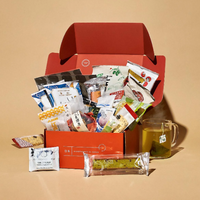
Looking for exciting ways to capture the bonenkai experience abroad? Get Bokksu’s holiday snack boxes. These boxes are filled with authentic Japanese treats and seasonal flavors that make holiday gatherings effortless. It will be just like snacking in Japan. The boxes can also serve as ready-to-gift packaging, thanks to their beautiful designs. You can serve the snacks at the gathering or offer entire collections as valuable gifts. We have hundreds of boxes on our website!
Why Bonenkai Belongs on Your Holiday Calendar
Embrace the spirit of bonenkai wherever you live. This holiday, make your celebration all about togetherness, gratitude, joy, and the future. Seasonal food and drinks are central to these year-end parties, and choosing them carefully is key to creating an authentic experience. Bokksu Boutique makes Japanese seasonal food culture accessible across the world. We recommend that you explore our exclusive holiday collection. Inside, you can find authentic bonenkai food and drinks, such as mochi, senbei, teas, yuzu sake, and kaki-no-tane. Shop now to enjoy the latest treats in our collection.



-
Trending Posts

-


Author Bio
More from the blog
View all


