



How Japan Says Thank You: The Meaning Behind Oseibo Gifts
Oseibo, Japan’s winter gift-giving tradition, is one of the highlights of the New Year. This heartfelt culture can strengthen relationships with close friends, family, and even co-workers. No matter your location, if you want to express gratitude this holiday season, read our ultimate Oseibo guide. We’ll reveal oseibo’s cultural roots, how to partake in it, and its relationship with other Japanese gift-giving customs. Let’s embark on a journey of reflection, kindness, and cultural appreciation as Japan closes the year.
What Is Oseibo? The Heart of Japan’s Winter Gift Season

Oseibo (お歳暮) is a Japanese tradition of giving gifts at the end of the year to express gratitude for kindness and support received throughout the year. It’s celebrated in December, just before the upcoming year. However, Japanese people start to give gifts until the 20th of the month. The main purpose of the tradition is to appreciate those who supported you in the whole year, such as parents, relatives, teachers, mentors, and business partners. Oseibo is similar to O-chugen, a summer gift-giving tradition in Japan. Although recent reports claim that the tradition has begun to fade, many people still practice it.
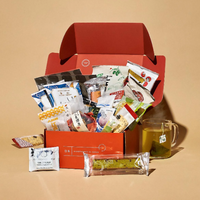
Traditionally, the Oseibo gifts are consumable items, such as food, drinks, or household products. Examples include high-end seafood, green tea, cosmetics, wagashi (traditional Japanese sweets), seasonal fruits, exotic soaps, craft beer, and gourmet snacks.


The Cultural Roots of Japanese Gift-Giving

The origins of Oseibo can be traced back to the Muromachi period (1336-1573), but it truly gained popularity in the Edo period (1603-1868). At the time, it was common to make offerings to one’s ancestors at the end of the year. The practice revolved around two of Japan’s deep values: on (obligation) and giri (duty). On is the feeling of indebtedness after receiving a favor, while giri is the social obligation to reciprocate it in a tangible way.
Oseibo evolved from an ancestral ceremony into a gift-giving custom. It’s an important piece of Japanese gift-giving culture alongside Omiyage (bringing back souvenirs after a trip) and Ochugen (giving mid-summer gifts to show gratitude). If you want to participate in this tradition, you need to understand some simple but important rules.
When and How Oseibo Gifts Are Given
The typical Oseibo season falls between early and mid-December. Try to offer your gift before the 20th of December. Any later than that, and you may have missed the timeline. Also, your gesture could get easily mistaken for a Christmas present. Now that you know the when, it’s time to reveal the how. Below is the etiquette surrounding Oseibo.
-
The recommended worth of an Oseibo gift is about 5,000 yen (or $40). However, give higher-value gifts to those who granted you bigger favors in the past year.
-
Include a handwritten note that expresses your sincere gratitude.
-
Wrap the gifts carefully in beautiful material. You can’t go wrong with furoshiki (traditional Japanese wrapping cloths) or the wrapping paper called washi.
-
Avoid the color red in your wrapping, as it’s often associated with funerals.
-
Use both hands when presenting the gift, because using one hand is considered rude. You can say something like, “I know it isn’t much, but kindly accept this gift.”
If you follow the etiquette, the recipient will better appreciate the sincerity and respect behind your gesture.
What to Give: Popular Oseibo Gifts Today

Culinary gifts make the best Oseibo presents. However, certain items are a better fit for the special occasion. Let’s explore the best items to use for Oseibo:
-
Gourmet food boxes: Snack and food collections are the most popular options today. If you want to truly impress the recipient with Japanese cuisine, give them a gift box full of rare treats. Bokksu Boutique’s artisanal snack sets contain exclusives from different Japanese regions. We offer elegant, authentic Oseibo-inspired gifts that carry true meaning.
-
Sake: Alcoholic beverages are another exciting option, especially if you choose sake (Japanese rice wine).
-
Tea: High-quality teas like matcha, hojicha, and genmaicha make great Oseibo gifts. They help maintain good health and improve focus. If you want authentic options straight from Japan, we recommend the Bokksu Japanese Tea Box.
-
Candles: Also known as warōsoku, Japanese candles are valued for their flickering flame, high quality, and cultural significance.
-
Seafood: High-end treasures from the sea can serve as valuable gifts. Popular options are salmon, bluefin tuna, dried squid, eel (unagi), and yellowtail.
-
Exotic fruits: You can also offer luxury fruits such as square watermelon, Miyazaki mangoes, and white strawberries.
Omiyage vs. Oseibo: Understanding the Difference

There are several gift-related Japanese customs, but Omiyage and Oseibo are two of the most important ones. Knowing the differences between these two will grant a deeper understanding of the nuances of social etiquette and gift-giving in Japan.
Omiyage is the tradition of bringing back souvenirs for family, friends, and colleagues after a trip. Unlike Oseibo, which represents year-end gifts, Omiyage can happen at any time of the year. Also, the main purpose of Omiyage is to appreciate friends, family, co-workers, and business associates who provided support while you were away. Both Oseibo and Omiyage gift items are typically edible. However, Omiyage souvenirs are often local treats or specialties from the region visited.
Japanese Gift Etiquette: More Than the Gift Itself

Whether you’re looking to practice Oseibo, Ochugen, Omiyage, Temiyage, or any of the many Japanese gifting customs, you need to learn the correct etiquette. The most important aspects are presentation and delivery, as they matter just as much as the gift. You want to package your gift in wrapping paper, decorative cloth, or a beautiful bag. The most traditional option is furoshiki wrapping. However, washi paper and mizuhiki (decorative cords) are excellent choices as well.
Offer the gift with both hands when presenting it. You should also make a polite statement that matches the purpose of the gift. Feel free to write your thoughts down in a handwritten note. Keep your message as humble and sincere as you can.
The Modern Oseibo: From Tradition to Trend

What was once a native tradition is now a global phenomenon, as people in Western countries now observe Oseibo, particularly in corporate spaces. These days, online shopping makes it much easier to send thoughtful gifts. There is less and less obligation to exchange gifts in person. You don’t even have to be in the same home country to show appreciation with a thoughtful present. Many curated brands thoughtfully select, organize, and present gift-worthy products. All you have to do is choose one and have the box delivered to the recipient’s doorstep or office.
While feeling indebted may not appeal to the younger generation, many of them choose to reinterpret the tradition with wellness and sustainability in mind. To them, eco-friendly packs of self-care products and healthy snacks signal care for both the recipient and the planet.
Symbolism and Gratitude: Why Oseibo Still Matters

In today’s digital era, it’s easy to take human connection for granted. The world needs customs that enhance social bonds now more than ever, and few gestures preserve empathy and gratitude better than Oseibo. So far, the practice has connected people across generations, helping to maintain corporate and personal relationships. It also allows us to express thanks through small, meaningful acts.
Companies have found that offering Oseibo gifts to customers has also helped to strengthen business relationships and improve buyer loyalty. Japanese counterparts, vendors, and business partners are not left out of this circle of appreciation. In Japanese society, employees look forward to year-end bonuses, which are largely influenced by the obligations of Oseibo.
How to Choose the Perfect Oseibo Gift
Selecting the right gifts will position you as a thoughtful and caring person in the eyes of your recipients. Here are some important tips to remember:
-
Think of the recipient’s lifestyle and decide whether to get a practical or luxurious gift.
-
If you’re giving gourmet foods, take advantage of regional flavors. They might appreciate your effort to give them a taste of home.
-
Handcrafted items are more valuable than their machine-made versions, irrespective of monetary value.
-
For household goods, think high-quality kitchenware and everyday condiments. However, avoid products that are available in every department store.
-
It’s important to provide authentic Japanese items. Only source gifts from a reliable source. Bokksu Boutique is the best platform to find different types of refined Japanese gifts that blend tradition and modern taste.
Bringing Oseibo Spirit into Your Own Holiday Traditions

Give meaningful, thoughtful gifts this winter. The Oseibo spirit will help you maintain relationships by symbolizing respect and how much you appreciate the impact of others on your life. Make a list of the people who supported you the most this year, and start browsing for the perfect holiday present. To ensure quality and uniqueness, explore Bokksu Boutique’s holiday gift collection. You’ll find endless inspirations rooted in Japanese culture, gratitude, and care.



-
Trending Posts

-


Author Bio
More from the blog
View all


