



Why February Is Peak “Limited Edition” Season in Japan
Why February Matters in Japan’s Seasonal Shopping Calendar

In Japan, February sits at a fascinating crossroads of winter, Valentine's season, and the first hints of spring, making it an especially exciting time in the seasonal shopping calendar. Brands celebrate seasonal offerings in ways that showcase Japan's unique culture and its deep appreciation for different seasons, particularly throuogh limited-edition food. Strawberry season is in full swing, with shelves brimming with strawberry-themed desserts, drinks, and sweets that people look forward to each year. Valentine’s Day adds a splash of creativity with eye-catching chocolates and imaginative collaborations, while the excitement for cherry blossom season begins to appear in early cherry blossom-themed snacks and decorations. For anyone planning a trip to Japan, February offers a delicious and immersive way to experience the country’s ever-changing food scene.


The Japanese Obsession With Limited Edition Products

Japan's obsession with limited-edition products goes far beyond clever marketing; it's deeply embedded in everyday life. For Japanese consumers, exclusivity feels meaningful because it’s often tied to time and place, from seasonal products made with fresh seasonal ingredients to snack packaging that changes with the calendar. This love of celebrating seasonal changes shows up everywhere: in food, decorations, and even packaging that visually marks the passing of time. On top of that, each region proudly highlights its own specialties, showcasing local flavors you won’t find anywhere else. That sense of exclusivity adds urgency and emotional value, making travel across Japan feel like a treasure hunt, with every snack, flavor, or design capturing a specific place and moment in time.
How Seasonal Marketing Shapes Japanese Food Trends

Seasonal marketing plays a huge role in shaping Japanese food trends, especially in the snack and confectionery world, where timing is everything. In the Japanese market, it is deeply ingrained and eagerly anticipated, with brands meticulously planning seasonal promotions around cultural moments like Valentine’s Day, exam periods, and major seasonal transitions. These product launches reflect the country’s strong cultural nuances, with flavors, packaging, and advertising all carefully aligned to seasonal changes that consumers look forward to year after year.
Spring brings the exquisite charm of cherry blossom themes, while summer festivals inspire colorful fireworks imagery and refreshing flavors like watermelon or mint chocolate. Autumn follows with the warm, comforting tastes of chestnuts, roasted sweet potatoes, and the vibrant hues of changing leaves. What makes these products so special is that they are not just limited edition; they often disappear completely after only a few weeks, creating a strong sense of FOMO, or Fear of Missing Out, and encouraging quick purchases. Brands also know how to build anticipation, often launching campaigns weeks before the actual season or event, giving consumers plenty of time to get excited and plan their seasonal indulgences.
Valentine’s Season and the Rise of Limited Edition Japanese Sweets

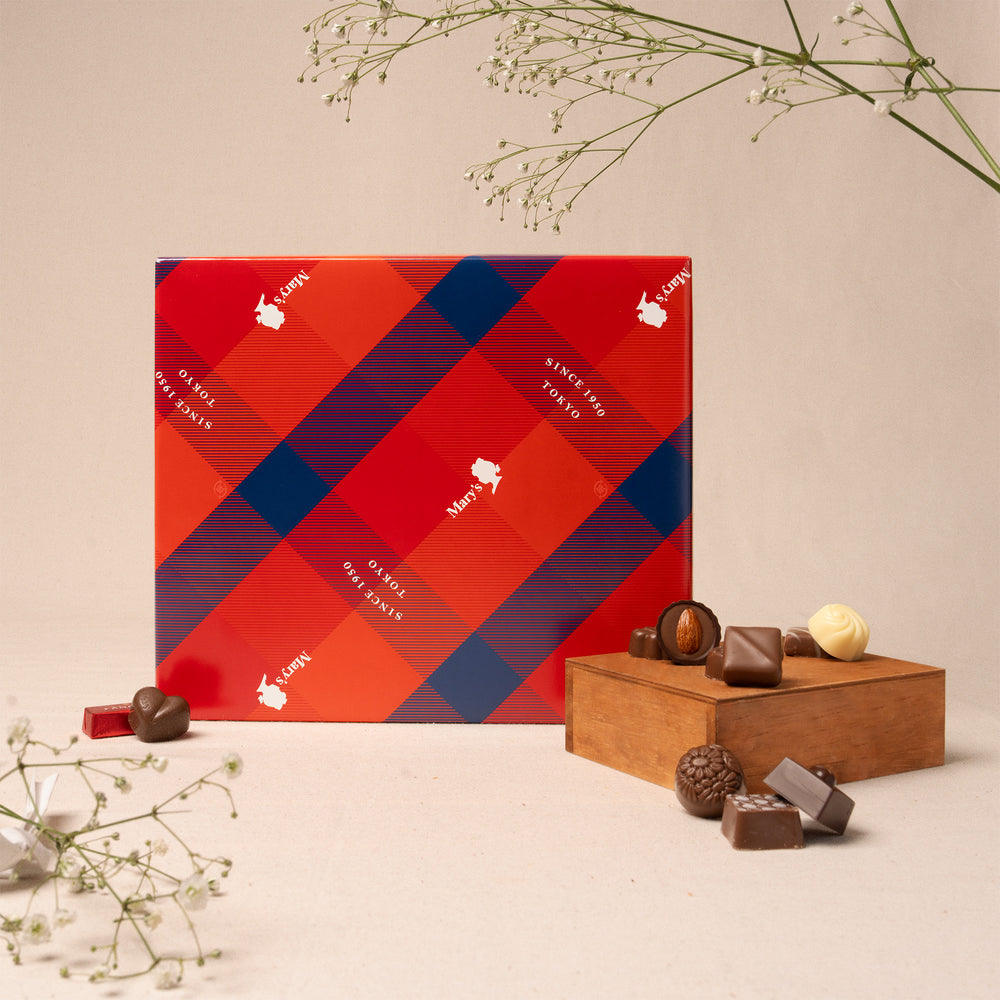
Every February, chocolate takes center stage in Japan, making Valentine's season into one of the most exciting times of the year for new releases. Unlike Western traditions, Japanese culture puts a unique twist on Valentine's Day, where women traditionally give chocolates or sweets to men, whether as romantic gestures, tokens of appreciation, or even polite gifts for colleagues. This custom pushes brands to go all out with creativity, resulting in limited-edition chocolate releases made only for this time of year. You'll find unexpected flavor pairings, premium ingredients, beautifully designed packaging, and collaborations that rarely show up outside of February. By the end of the season, many of these products disappear completely, making Valentine’s Day a fleeting but highly anticipated moment in Japan’s food calendar.
Why Limited Edition Snacks Feel More Special in Japan

Limited-edition food in Japan often feels less like something to casually eat and more like a collectible, shaped by a strong sense of craftsmanship and storytelling that connects with everyday life. By embracing seasonal themes, regional identity, and intentional design, brands give each product a clear sense of time and place. This makes even simple snacks feel special, encouraging people to seek them out, share them, and remember exactly where they found them. Pop culture collaborations tied to new movies or anime releases add extra excitement, turning snacks into highly sought-after souvenirs. Over time, this approach builds deep emotional connections and lasting brand loyalty, transforming a great snack into a cherished memory.
Tokyo Banana illustrates this perfectly. Primarily exclusive to Japan, it functions as a classic omiyage (souvenir) and is most commonly found in airports and train stations. Beyond its original flavor, the brand regularly releases special editions, location-exclusive varieties, and collaborations with pop culture icons like Pokémon, Doraemon, and Hello Kitty, all of which add to its collectability. Japanese KitKats follow a similar philosophy. With over 100 exclusive flavors, they highlight regional and seasonal specialties such as Sakura Matcha, Wasabi, Purple Yam, and Sake, some of which are only available in certain areas or during specific times of the year. Together, these examples show how everyday snacks can be transformed into collectible experiences that people want to share, gift, and remember.
Convenience Stores as Trend Launchpads for Japanese Snacks

Convenience stores, or konbini, are at the forefront of Japan’s food scene, constantly shaping everyday eating habits. With rapidly rotating stock, they introduce new, limited-time snacks and flavors at an impressive pace, often tied to seasonal celebrations or changing consumer tastes, making them ideal testing grounds for what resonates with people. Konbini don’t stop at packaged snacks; they also experiment with hot foods, from winter oden and fried chicken to roasted sweet potatoes that become especially popular as the weather cools. Seasonal desserts and limited-edition alcoholic beverages often make an appearance as well, all within a compact space. In this way, a konbini can provide almost everything someone might want, from meals to treats, without ever needing to visit a department store, reinforcing its role as a central hub for Japan’s fast-moving food trends.
Packaging, Design, and the Art of Seasonal Appeal

In Japan, packaging is never just an afterthought. It carries deep cultural significance and plays a central role in how seasonal snacks are experienced and remembered. Rooted in the tradition of tsutsumu, or the art of wrapping, packaging is treated as an extension of the product itself rather than a simple container. Japanese snack brands use seasonal imagery, colors, and textures to convey time, place, and meaning, often aligning designs with cultural events such as cherry blossom viewing, summer festivals, or autumn harvests. Soft pinks and floral patterns evoke spring, bold hues and dynamic motifs capture the energy of summer, and warm, earthy tones reflect autumn. These visual cues signal exclusivity and seasonal relevance even before the package is opened.
Functionality and sustainability are equally important. Japanese packaging often features clever designs, from easy-to-open structures to compact forms that protect delicate snacks while remaining convenient to carry. Many brands also prioritize eco-friendly materials like paper and natural fibers, drawing inspiration from traditional wrapping techniques using origami folds, decorative cords, or textured finishes. Traditional art styles, nature motifs, and subtle textures are frequently incorporated to transform everyday snacks into small, gift-worthy objects. By balancing beauty, practicality, and sustainability, Japanese packaging adds emotional value, encouraging people to pause, appreciate, and connect with the season before they even enjoy what’s inside.
How Limited Edition Culture Reflects Japanese Lifestyle Trends

Limited-edition culture in Japan is closely connected to a way of life that values mindfulness, seasonal living, and an appreciation for impermanence. It’s not driven purely by hype; everyday shopping is guided by the flow of the seasons, with products designed to reflect subtle seasonal changes. Seasonal food plays a central role in this, gently encouraging people to pause and take notice. Enjoying a sakura-flavored treat in spring or a chestnut-filled snack in autumn becomes a small moment of awareness, marking the present and reminding us that it will soon pass. These experiences turn ordinary purchases into quiet reminders to live in tune with time and nature.
This approach mirrors broader Japanese lifestyle trends and aligns with global trends toward more intentional, slower living. Limited-edition items are cherished not simply for their rarity, but for representing a specific time, place, or feeling. Whether it’s a summer-only citrus drink, a winter-exclusive dessert, or packaging that shifts with the season, these products invite people to savor what’s available now rather than stockpile for later. In this way, limited-edition culture transforms routine shopping into a meaningful ritual, fostering presence, gratitude, and a deeper emotional connection to seasonal changes and seasonal food.
Experiencing Japan’s Limited Edition Season From Anywhere

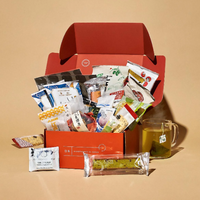
For anyone curious about Japan’s seasonal snack culture, Bokksu Snack Box makes it easy to experience it all year round, no matter your home country. Each box is carefully curated to reflect seasonal campaigns in Japan, featuring limited and rotating snack releases from across the country. From popular snacks everyone knows and loves to artisanal Japanese sweets inspired by spring blossoms, summer festivals, or even the rainy season, Bokksu captures the same excitement and anticipation you’d find on store shelves in Japan. It’s a chance to enjoy flavors that are often only available for a short time, without waiting for your next trip. Whether you’re reminiscing about past travels or planning your next trip, Bokksu brings the evolving tastes of Japan straight to your door.



-
Trending Posts

-


Author Bio
More from the blog
View all


