



Inside Japan’s Christmas Cake Culture: Sweet Traditions for 2025

Christmas is the busiest period for cake makers in Japan. The demand for a wide variety of Japanese Christmas cakes soars, even though only about 1% of the population is Christian. Read on to discover what these holiday confectioneries mean to the people and how they have turned into art forms.


Introduction: A Slice of Joy in Japan’s Holiday Season

Picture this: it’s Christmas-time, and the streets of Japan glitter with holiday lights. The sweet aroma of freshly baked cakes drifts from nearby bakeries, irresistibly pulling you toward a shop on the street corner. You go inside the bakery and are greeted with the sight of over a dozen different cakes, decorated with the red-white colors and soft sweetness of whipped cream and strawberries.
That’s a typical experience during Japan’s holiday season. In fact, Japanese Christmas cakes are such a beloved seasonal icon that you can find them on practically every street corner and in most department stores, supermarkets, and convenience stores. Varieties range from strawberry sponge cakes to fruity shortcakes.
For Japanese people, Christmas cakes have very little to do with the annual Christian festival practiced in the West. They represent emotional symbolism and cultural themes—many of which we will explore in this post. But first, a quick look at the history of this special cake.
The Origins: How Christmas Cake Came to Japan

In 1910, Fujiya sold the first-ever Christmas cake in Japan. The company, which is now a nationwide confectionery chain, opened its first branch in the same year. Fujiya’s original Christmas cake was a single-layer dessert made with dried fruit, powdered sugar, and plums.
They did not start selling strawberry shortcakes in the country until 1922, nearly a decade past the Meiji period. Shortly after World War II (1939-1945), Japan experienced a period of massive Westernization of various cultural aspects, including entertainment, popular culture, and food.
During this period of Western cultural influence, Japanese people began to use sponge-and-cream cakes to make Christmas desserts. However, only the upper class had access to the dessert. It would not become available to the general public until 1952. At the time, the post-war Japanese population embraced it as a symbol of prosperity, joy, and Western modernity. Today, the cake’s symbolic meaning has grown to include more themes.
Japanese Christmas Cake: A Symbol of Happiness and Hope

Although eating the strawberry sponge cake on Christmas Eve is a popular Japanese tradition, the dessert is a secular symbol, and it has almost nothing to do with Christian religious holidays. Its value lies in its emotional symbolism.
The cake’s white and red colors come from the cream and strawberries, respectively. Together, those colors represent purity, happiness, and prosperity. They match the Japanese flag, adding a touch of patriotism. The color red also symbolizes protection from evil in Japan’s culture, and white captures the snowy essence of the winter season.
The cake’s round shape is reminiscent of traditional Japanese sweets (wagashi). It shares a shape with mochi, dango, manju, and other national treats. It’s safe to say that Japanese people have come to accept the strawberry shortcake as the ultimate Christmas cake in the country. 50+ years of media promotions have associated it with themes that deeply resonate with modern Japanese culture, such as sharing, family, love, celebration, and romance.
Japan’s Holiday Dessert Evolution

Japan has turned what other countries regard as the simple strawberry shortcake into a luxurious art form. A basic recipe of the dessert consists of round layers of fluffy sponge cake, fresh strawberries, and whipped cream. However, confectioners have crafted all kinds of luxurious versions using unique ingredients.
Some patisseries make their Christmas cakes with Hokkaido soft cream, which comes from the country’s northernmost island and home of premium milk. Others add layers of matcha (green tea powder) to the flour, creating a sharp contrast in color and taste. You can even find stores that incorporate mochi into their versions. They replace the sponge cake with mochi or serve a piece of the fluffy cake alongside the sweet.
Regional Twists on the Christmas Cake Tradition
Although the strawberry shortcake is the most popular Christmas cake in Japan, there are many local variations and alternatives. Several cultures make their versions according to the concept of kisetsukan (seasonal awareness). This term literally means “a sense of the seasons,” and it influences Japanese cuisine. Hence, patisseries often prioritize ingredients that are in season within their locality.
Hokkaido’s Dairy-Rich Sponge Cake

The Japanese island of Hokkaido produces the largest amount of raw milk in the country. Its cool climate and open landscape allow indigenous cows to produce large quantities of quality milk. This premium milk is used in different types of dairy products, including cheese, butter, cream, and tarts. During the Christmas season, bakers in Hokkaido use locally sourced, dairy-rich cream to craft strawberry sponge cakes.
Kyoto’s Matcha-Flavored Strawberry Shortcake

Uji, Kyoto, is the home of matcha in Japan. Bakers in the city often combine the fragrant sweetness of strawberries with the bitter, refreshing taste of matcha. The resulting sponge cake is mostly green instead of the typical white color.
Okinawa’s Fruit Cake

The traditional Japanese Christmas cake doesn’t always have to include strawberries. In fact, there are several other tropical fruit versions. Examples include dragon fruit, lychee, and passion fruit.
Japanese Holiday Cake Trends for 2025
From November, you can expect to see a mix of traditional Christmas cakes and fancy new desserts with unique flavors. Let’s explore the latest innovations in holiday cake-making in Japan.
Minimalist Designs

Patisseries are keeping things simple with minimalist colors and shapes. They are focusing more on taste and relying on light decorations to add beauty to their desserts.
Plant-Based Versions
We’re seeing more vegan holiday cakes in Japan. They hardly contain any eggs, butter, or milk but retain a delicious flavor. Instead of cream, we have oat milk, soy milk, or coconut milk.
Wagashi-Inspired Cakes

Bakers are making cakes that mimic the taste of traditional sweets that the average local typically enjoys. Some use sweet potatoes, a major wagashi ingredient, to make tarts, cheesecakes, and Mont Blancs.
Chocolate-Based Versions
These desserts use white or dark chocolate to make the entire cake or as part of its toppings. The texture of chocolate allows them to mold it into different shapes.
Luxury Patisserie Collaborations
You’ll always find Japanese confectioners creating luxury cakes using high-end ingredients. But recently, many of them are collaborating with luxury hotels, restaurants, landmarks, and similar establishments. These collab cakes are common in major cities, especially Tokyo.
Beyond Cake: Japan’s Other Christmas Treats

The holidays also feature other kinds of desserts and foods, such as fried chicken (usually from KFC) and sushi rice. In this section, we’ll focus on Japanese Christmas treats that blend domestic and Western traditions.
-
Yule logs: This Western-style dessert is a traditional European holiday cake decorated to resemble a log. It typically consists of rolled sponge cake filled with whipped cream and other ingredients.
-
Holiday parfaits: Japanese-style Christmas parfait often contains soft-serve ice cream, whipped cream, hot fudge, fresh fruit slices, red beans, and flavored gelatin.
-
Christmas mochi: These are traditional rice cakes decorated with holiday motifs, such as images of Christmas trees or Santa Claus.
-
Stollen: This is a German fruit bread, traditionally eaten in the festive season. It consists of a dense, buttery, yeast-leavened dough filled with dried fruits, nuts, and spices. The sweet bread is popular in both Japanese and Western culture.
The Joy of Gifting: Japanese Dessert Gifts for Christmas

In Japan, offering people dessert gifts is a mark of care, respect, and hospitality. Part of the Christmas holiday experience involves sharing delicious treats with friends, family, and co-workers. The beauty of the cake’s design, presentation, and seasonal packaging add to its overall value. Hence, artisanal desserts make the best Japanese gifts.
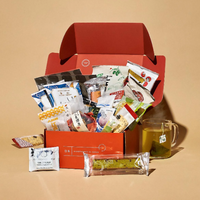
If you want to offer edible Christmas presents, you’ll find the perfect gifting ideas on Bokksu Boutique. We offer a wide variety of curated dessert gift sets and snack boxes for any occasion.
Bokksu Boutique: Bringing Japan’s Sweet Traditions to You

With Bokksu Boutique’s festive offerings, you can experience Japan’s holiday sweetness at home or share the adventure with loved ones through premium gifting. Here are our top recommendations for the holidays:
-
Treasures of Japan—2025 Advent Calendar: Inspired by ukiyo-e woodblock art of ancient Japan, this limited edition product is the most unique advent calendar you can find today. Every day offers the owner a chance to enjoy delicious treats from a curation of high-end Japanese snacks.
-
Sweet Caramel Apple Cake Gift Box: Send this iconic set of fruit cakes to your loved ones. Every bite is packed with the taste of real Fuji apple, walnut, and simple syrup (caramel).
-
Premium Japanese Fruit Sorbet: This limited edition dessert box blends yogurt with real fruit flavors from Japan. Flavors include grape, strawberry, melon, yuzu (citrus fruit), and other seasonal fruits from different Japanese regions.
-
Bokksu White Chocolate Strawberry: Perfect for any special occasion, especially romantic events, these freeze-dried strawberries are infused with copious amounts of liquid white chocolate. Send them to your loved ones to wish them a merry Christmas.
Conclusion: Celebrate the Spirit of Christmas, Japanese Style

Japan’s quiet December evenings are a time for reflection in snowlight. Enjoy Japanese-style treats while you can reflect on the past year from the comfort of your home. You may use snacks as an expression for gratitude, beauty, and shared joy. Explore Bokksu Boutique for authentic Japanese treats and gifts to celebrate the season meaningfully.



-
Trending Posts

-


Author Bio
More from the blog
View all


