



Japan’s Winter Onsen Town Snacks: Eat Like a Local After the Bath
Visiting a Japanese onsen town is one of the most unique winter experiences in the world. You get to enjoy relaxing baths, regional specialties, and sweeping views of breathtaking landscapes. The onsen dining culture is especially exciting, as it features a wide range of local snacks and cozy foods perfect for the cold weather.
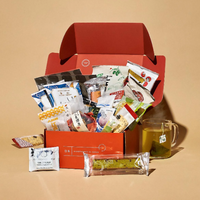
Thanks to Bokksu’s Little Fortunes Collection, those who can’t take a trip to Japan this winter can enjoy the country’s best regional snacks at home. For a limited time, you can bring these flavors to your doorstep for even less: a flash sale is happening now exclusively on the Bokksu Boutique app.
Discover the Charm of Japan’s Winter Onsen Towns

"Onsen" is the Japanese term for a hot spring. It can also refer to the town, village, or facilities around a hot spring. Japan has over 25,000 hot springs and about 3,000 onsen towns across the country, thanks to an abundance of active volcanoes. The following are some of the usual destinations for tourists in the country, particularly in winter:
-
Beppu Onsen (Oita Prefecture)
-
Zao Onsen (Yamagata Prefecture)
-
Nozawa Onsen (Nagano Prefecture)
-
Nyuto Onsen (Akita Prefecture)
-
Sukayu Onsen (Aomori Prefecture)
-
Maenohara Onsen (Tokyo Prefecture)
-
Kurama Onsen (Kyoto Prefecture)
Winter in Japan is the peak season for onsen exploration because of the warming effects of the steamy baths, which consist of hot mineral water, water vapor, and other gases. Some onsens are located next to dense forests, mountain ranges, or oceans. Hence, the natural beauty of snow-covered landscapes can provide a thrilling visual experience in open-air baths. Other big draws to these towns include the natural ice-glazed trees known as “snow monsters” and the ever-fascinating Japanese macaque (snow monkeys). In the colder regions, like the Hokkaido or Tohoku Region, tourists can also have fun at ski resorts.
Besides soaking in relaxing baths, onsen tourists love ryokans (traditional Japanese inns), which serve as winter getaways for locals and foreigners. Nearly every hot spring town in the country has a ryokan for receiving visitors. The main building often features both modern and traditional elements, including public baths, breakfast lounges, luxurious rooms, and fine dining. Tourists often take day trips from their ryokans to nearby attractions, where they explore more destinations such as UNESCO World Heritage Sites and samurai districts from the Edo period.


The Ritual of Onsen Dining: What Locals Eat After a Bath

If you want to dine like a local before or after a soothing bath, you need to learn the nuances of onsen dining culture. Japanese people love to enjoy light meals and snacks post-bath. Here are some popular onsen foods:
-
Pickled vegetables (tsukemono)
-
Steamed buns (manju)
-
Noodle dishes
-
Hot pots (nabe, shabu-shabu, or sukiyaki)
-
Seafood dishes
-
Steamed custard pudding (purin)
-
Hot tea or coffee
-
Alcoholic drinks (sake or beer)
Hot Snacks That Warm You Up After Soaking

Steamy, hot, and sizzling treats are your perfect companions for the winter. You’ll find them in most onsen towns because of their ability to bring the season to life through warmth and comfort. Below is a list of common Japanese hot snacks found in the best onsen towns:
Oden (Fish Cake Stew)

It is a wintertime dish consisting of several ingredients simmered in a flavorful dashi broth. Popular oden ingredients include daikon radish, boiled eggs, konjac, fishcakes, and kombu. The broth is typically made of soy sauce and may include other ingredients, such as sake, mirin, and salt. Oden is a type of nabemono, a traditional Japanese hot pot dish.
Nikuman (Steamed Meat Buns)

Nikuman is a Japanese dish of steamed buns filled with meat and other ingredients. It’s a variation of Chinese baozi. The buns are flour-based, and the fillings often feature ground pork, soy sauce, shiitake mushrooms, cabbage, salt, pepper, and green onion. Nikuman is savory, hot, juicy, and fluffy, making it the perfect comfort treat for winter.
Yaki mochi (Grilled Rice Cakes)

Yaki mochi is basically “grilled mochi.” It consists of glutinous rice cake pounded and pan-fried, broiled, or grilled until it becomes crispy on the outside and chewy inside. Some street food vendors grill the mochi with soy sauce and wrap them in nori seaweed. Others coat the mochi with sugar and kinako (roasted soybean powder).
Onsen Tamago (Hot Spring Eggs)

These are low-temperature boiled eggs slow-cooked in natural onsen (hot spring) mineral waters. They are also known as “hot spring eggs.” The unique preparation method of onsen tamago gives the egg distinct textures: silky whites and creamy yolk. Onsen towns typically serve this snack with soy sauce or dashi broth.
Onsen Manju (Hot Spring Steamed Buns)

Onsen manju are Japanese steamed buns cooked using natural hot spring waters and filled with anko (sweet red bean paste). You’ll find them in nearly every onsen town. The anko filling gives them a sweet taste. However, there are countless variations featuring additional ingredients like matcha, yuzu, and chestnut.
Regional Specialties at Local Onsens: Rare Snacks From Hot Water Fields to the Japanese Alps

Certain regional snacks in Japan are unique to specific towns. In this section, we explore them in detail, unveiling reasons why you should try them.
-
Kusatsu’s yuba treats: In the center of Kusatsu Onsen lies Yubatake, a famous hot water field. This field supplies the onsen facilities with most of its hot spring water. It’s also the inspiration behind Yubatake Pudding and Yubatake Soft Serve, two emerald-green desserts sold at a specialty store.
-
Hakone’s black egg snacks: Kuro tamago (black eggs) is a specialty dish from the Owakudani valley in Hakone. These eggs are cooked in the sulfuric hot springs of the valley, igniting a chemical reaction that turns the eggshells black.
-
Ureshino’s onsen yudofu: Ureshino is a hot spring town famous for its onsen yudofu, a local specialty of tofu boiled in a pot of hot spring water. The hotpot dish has a rich, flavorful taste and the tofu has a buttery texture.
-
Nagano’s oyaki: Nagano Prefecture is home to many onsen areas, some of them overlooking Japan’s Alps. Popular onsen towns in the prefecture include Nozawa, Bessho, Shirahone, and Kamisuwa. These towns offer oyaki, Japanese stuffed dumplings often made from buckwheat flour. The dumplings also contain stuffings of anko, vegetables, or fruits.
Sweet Treats to Complement Your Onsen Experience

If you’re a fan of sweet treats, you’ll love the Japanese dessert snacks served at hot spring resorts. There’s something about the onsen water that increases the appetite. Hence, after bathing, locals love to indulge in desserts and drinks.
Wagashi (traditional Japanese sweets) are pretty common in ryokans, specialty stores, cafes, and lounges next to these outdoor baths. The onsen towns offer treats such as mochi, manju, and castella cakes.
You can find mainstream desserts as well. They prepare pudding with the steamy natural waters while enhancing the flavors with custard, soymilk, matcha, banana, or other ingredients. Some turn it into a winter sweet with seasonal flavors like strawberry, which are sourced from the city’s local farms. Other mainstream onsen desserts are soft-serve ice cream and parfait crafted with red bean.
Cozy Foods for a Perfect Winter Getaway

People enjoy cozy foods in Japan not just because they bring comfort but also because of their health benefits. If you want to prioritize wellness this winter, you should focus on snacks that help you beat the cold and supply your body with essential nutrients.
Hot sake (kanzake) is a winter favorite in Japan. It’s basically regular Japanese rice wine (sake) heated to temperatures from 68°F to 133°F. When consumed in moderation, it can aid digestion and stimulate circulation.
Miso soup is another cozy winter food you should try. Made from miso paste and dashi, it’s often served alongside rice and noodles. Miso soup is a rich source of antioxidants, vitamins, and minerals. Other cozy onsen foods perfect for winter are steamed buns, egg dishes, and tofu.
How Onsen Snacks Reflect Local Culinary Culture

These snacks blend flavors, textures, and aromas—the essence of local culinary culture in Japan. Their artisanal production emphasizes quality in every batch. They also feature seasonal ingredients, which play a major role in Japanese cuisine. Just like the hot spring waters that headline the onsen experience, these snacks were created to revitalize the body and soul.
Bringing the Onsen Snack Experience Home

We bring you the most convenient way to taste Japan’s regional and seasonal snacks without embarking on so much as a road trip. Introducing the Bokksu Little Fortunes Collection, an amazing assortment of exclusive flavors from across Japan. Every treat in the collection is crafted by local snack makers with decades of experience.
For a limited time, you can get the collection for less, thanks to our app-exclusive flash sale. All you have to do is download the Bokksu Boutique app to unlock special pricing for our best products. We’ve made it easier to explore Japan from home. Download the app and grab your Little Fortunes Collection before the offer ends.
Insider Tips for Experiencing Onsen Town Snacks When You Visit Japan

If this is your first trip to an onsen, here’s some advice for travelers looking to enjoy bathhouse snacks like a local:
-
You can experience peak winter from late January to mid-February.
-
Evenings are the best time to visit hot spring bathhouses—just before dinner.
-
Onsens charge an entry fee of 200 to 2,000 yen.
-
It’s best to try snacks after your bath and not before.
-
Feel free to drink water before your bath.
-
Don’t eat or drink in the bathing area.
-
The common practice is to change into a yukata and go snacking in cafes, lounges, or snack bars.
The Future of Winter Onsen Food Trends

Trending snacks like onsen manju, tamago, coffee milk, and soft-serve are making their way from hot springs to the global snacking market. International audiences are discovering Japanese onsen foods through travel and Bokksu Boutique. Join the movement. Enjoy these treats at home or share them with loved ones by shopping for snack-filled gift boxes at Bokksu Boutique.



-
Trending Posts

-


Author Bio
More from the blog
View all


