



Journey Through Japan’s Five Senses: A Traveler’s Cultural Guide
Explore the best parts of Japan through all five senses. Japan boasts a wide array of foods, fragrances, music, landscapes, and artworks waiting for you to explore. Start your journey with this post!
Introduction: Seeing Japan Through More Than Sight

In Japan there is a strong focus on experiencing every aspect of life through all five senses. This concept is extremely common in Japanese cuisine, but you’ll find it in other areas as well. In fact, travel in Japan is not just visual—it’s a full sensory experience. If you want to truly explore Japan, you have to do it through taste, touch, sound, smell, and sight.
What’s a trip to Hokkaido without a taste of the region’s famous dairy snacks, or a walk through the streets of Tokyo without the sound of vending machine jingles? The best part of your Japanese adventure will come from the foods, sights, and fragrances in every destination.
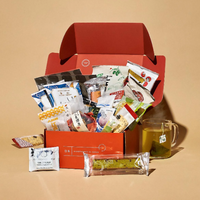
When you can’t make the trip to Japan, trust Bokksu to bring this multisensory discovery into your home. You get to enjoy authentic treats, package designs, and fragrant flavors from Japan, thanks to our monthly snack boxes.


Taste: Discovering Japan’s Regional Flavors

Local snacks reflect geography and tradition because each region offers a signature flavor. The climate, terrain, local produce, season, and ancient culinary techniques give certain regional foods their distinct tastes.
Popular Regional Snacks in Japanese Cuisine
Here are four flavors that highlight regional tastes in Japan:
-
Hokkaido’s buttery cookies: The Japanese prefecture Hokkaido produces the best milk in the country, and probably the world. Most Japanese people love the milk for its rich, vanilla-like flavor. Hence, one of the most popular snacks in the region is extra-creamy butter cookies made from Hokkaido milk.
-
Shizuoka’s wasabi: The best place to find authentic wasabi is Shizuoka Prefecture, thanks to its ideal weather conditions, mountain springs, and nutrient-rich soil. This spicy condiment will thrill your taste buds with its fresh and aromatic flavor.
-
Hyōgo’s Kobe beef: Meat from the highly prized Tajima strain of Japanese Black cattle raised in Hyōgo Prefecture is a must-have for any beef lover in the country. Well-marbled, tender, and nuanced, this beef is unlike any you’ve ever tasted.
-
Kyushu’s spicy rice crackers: Fukuoka Prefecture, located on Kyushu Island, is home to mentaiko senbei, a type of rice cracker made by mixing spicy cod roe in the dough. The treat has a salty and umami-rich taste.
Bokksu’s Japan Box allows you to experience Japan through regional flavors. Each box features snacks filled with authentic regional tastes from across the country.
Smell: The Fragrance of Tradition

The art of scent appreciation in Japan is called kōdō, and it plays a major role in the nation’s culture by heightening experiences and improving mindfulness. Even when doing something as simple as drinking tea, the principles of kōdō encourage you to savor its fragrance.
Different Roles of Scent in Japanese Culture
In Japanese tea ceremonies, taking in matcha’s earthy aroma or the smoky smell of roasted hojicha mixed in hot water is a big part of enjoying those beverages.
Centuries ago, Japanese temples mixed aromatic woods like hinoki with herbs and burned them during religious rituals. Some people went as far as building entire temples with fragrant woods. The history of temple incense dates back to 595 CE, when Japanese people began to burn it as part of rituals. These rituals were related to Buddhism, which originated from Chinese culture. Nowadays, most temples blend several ingredients to create incense. If you’re lucky, you can perceive them while exploring shrine grounds.
The scent of flowers plays a major role in how people experience seasonal changes in Japan. In spring, expect cherry blossoms to fill the air with their light, floral scents. The lotus flower graces summer with its sweet fragrance, and in autumn, chrysanthemums’ earthy and herbal scent starts to trend.
The Connection Between Scents, Memory, and Mindfulness
Scents connect to memory, and perceiving them can bring flashes of past experiences to mind. They also evoke strong emotions and help improve mindfulness. The phenomenon is a lot like the feelings of nostalgia that hit when you enjoy a familiar snack.
Sound: The Music of Everyday Japan

Japan’s distinct soundscape is a blend of natural and cultural sounds. In 1996, the Ministry of the Environment curated the “100 Soundscapes of Japan.” This list included iconic sounds from the sea, wildlife, vegetation, and festivals. We’ve curated our own list of sounds that have become a major part of the typical Japanese way of life.
Highlights of Japan’s Soundscape
-
Vending machine jingles: Some vending machines have been programmed to play music. You can hear them around train stations, busy streets, and department stores.
-
Soft rainfall: The Japanese onomatopoeia “shito shito” describes the sound of light, gentle rain falling.
-
Sizzling yakitori stalls: Yakitori is a popular street dish of grilled chicken skewers. On festival nights, you can hear the sizzling sound of meat cooking on a charcoal grill.
-
Yaki-imo truck jingles: Roasted sweet potato (yaki-imo) trucks are extremely popular in autumn. The sweet aroma from the trucks blends nicely with the cheerful recordings to evoke feelings of nostalgia across the street.
-
School bell chime: Most Japanese schools play a 16-note melody to announce the beginning and end of classes for the day.
-
Snacks: Treats also have sound appeal, from the crunch of freshly opened senbei to the sound of crispy bites, often referred to as “kaki-kaki.”
Touch: The Texture of Craftsmanship

The texture and feel of Japanese designs are just as important as their aesthetics. While exploring the food, artifacts, or natural elements from various regions, take your time to touch and feel them. Tactile joy comes from elements like the smoothness of ceramics, the softness of washi paper, the warmth of bathing in hot springs, and the feel of beautifully wrapped snacks.
All of Bokksu’s boxes and curations honor this attention to touch and presentation. We provide multisensory packaging that engages your senses of sight and touch, creating a unique experience.
Sight: Beauty in Every Detail

To find the hidden meaning behind certain motifs, you need to understand that Japanese aesthetics consist of both traditional and modern ideals. They celebrate beauty in imperfection through excellent use of asymmetry. Most designs also focus on minimalism, which is the practice of reducing art to its essential elements. They often emphasize the balance and harmony of colors. In Japan, most people associate colors with symbolic meanings, such as good fortune (red), purity (white), and nobility (gold).
Kawaii, or cuteness, has been a major part of Japanese aesthetics since it gained popularity in the 1970s. Local aesthetics also feature arts and designs with seasonal motifs inspired by nature.
Bokksu boxes are known for visual storytelling through seasonal box designs. Every color, motif, or image tells a story related to Japanese culture, tradition, or folk tales. For example, our Blazing Maple Hills box features images of maple leaves, a visual commentary on the autumn season and its flavors.
Festivals That Awaken the Senses and Celebrate Rich Cultural Heritage

Now that you understand how to explore Japan with all five senses, you should seek some unique experiences. Cultural festivals offer the best opportunities for multisensory enjoyment. Imagine delicious food, taiko drum music, geisha dance performances, and pleasant scents combining to make each event immersive and meaningful.
The Best Multisensory Festivals in Japan
Here are Japan’s major sensory celebrations:
-
Hanami: Cherry blossom viewing, or hanami, is a party-festival that takes place in spring. You can find large collections of blossoming cherry trees at temples, shrines, castles, and parks. Groups of people gather around the trees to look at the pink blossoms while enjoying snacks and tea.
-
Koyo: The Japanese word “koyo” refers to autumn foliage viewing. It’s a popular activity in which people travel to mountains and cities to see colorful leaves.
-
Snow festivals: Japanese cold winter festivals feature snow-inspired sculptures, art, and snacks. They begin in late December, continue well past New Year’s Day, and end in February. Streets are often lined with warm and savory street food sold in stalls. Customers gather to dine at miniature restaurants that serve staple meals like noodles topped with fish and vegetables. Grab some chopsticks and join them!
Mindful Travel: Experiencing Japan Through Awareness
To enjoy your tour of Japan, we urge you to practice mindful travel. This is a way of travelling that emphasizes being fully present, aware, and intentional about your experiences. Slow down to notice every flavor, texture, and sensation that you encounter on your journey. This philosophy mirrors the care put into traditional Japanese cuisine and craftsmanship.
Mindful Travel Tips to Remember
For a more meaningful trip, consider the following tips:
-
Silence your electronic devices.
-
Engage all five senses at all times, especially when eating.
-
Ask questions about the ingredients and flavors of local cuisine, no matter how basic they sound.
-
Avoid taking photos except before or after a new experience.
-
Always be willing to safely try something new.
-
Only wear essential clothing.
Bringing the Five Senses Home

Let’s help you kickstart your journey to sensory living. Here are some practical ideas to begin with:
-
Pair tea with wagashi for taste and aroma: The Matcha Moments Box offers a collection of authentic Kyoto green tea and Japanese sweets, including mochi, castella cake, and sandwich cookies.
-
Light incense for smell: Get the Japanese Incense Wooden Box to enjoy six popular fragrances, including Sakura, Rose, Lavender, and Sandalwood.
-
Handcrafted ceramics for tactile pleasure: You will enjoy the texture and feel of the Japanese Lacquerware Wooden Coffee Cup Set, filled with handmade ceramics. Get your own set today.
The Gift of Experience: Bokksu Boutique’s Sensory Collection
Explore Bokksu Boutique’s curated gifts, from tea and snacks to ceramics and incense. Every item is designed to awaken all five senses through Japan’s artistry. Feel free to send these gift boxes to your loved ones.
If you’re a fan of multi-sensory snacking, you can get a monthly supply of curated seasonal treats from Japan. All you need is to secure a Bokksu Snack Box Subscription today!



-
Trending Posts

-


Author Bio
More from the blog
View all


