



Nostalgic November: Retro Japanese Snacks That Still Taste Like Childhood
Introduction: Why Nostalgia Tastes So Sweet

In the landscape of Japanese snack culture, few things hold as much charm as nostalgic treats that have stood the test of time. A single bite of a familiar candy or the sight of a playful mascot can stir long-forgotten memories, reminding us of schoolyard afternoons, family gatherings, or trips to the local shop. Food and memory are inseparable, and in Japan, retro snacks have become more than just sweets; they’re cultural icons. Characters like Fujiya’s Peko-chan, with her pigtails and cheeky tongue-out smile, have moved beyond advertising to become symbols of comfort and tradition. Even today, these confections remain beloved—not only as sweet reminders of the past but as timeless icons that continue to bring joy across generations.


Dagashi: The Heart of Retro Snacking

Dagashi—often called Japanese penny snacks—are a nostalgic cornerstone of childhood in Japan. Cheap, colorful, and a little quirky, these treats once filled the shelves of old-fashioned candy shops, where children could spend just a few coins and walk away with a pocketful of sweets. Wrapped in bright, eye-catching packaging, dagashi were made to delight the senses and spark joy, leaving behind countless fond memories. Because they were priced so low that even kids could buy them on their own, dagashi became more than just snacks; they were little symbols of freedom and play.
The magic of dagashi lies in their variety, spanning both sweet and savory worlds in various shapes and textures. On the sweet side, there are sparkling konpeitō sugar crystals, fizzy ramune-flavored candy, and chewing gum that often came with hidden prizes. Savory favorites include classics like umaibo, the puffed corn stick available in endless flavors, and Baby Star Ramen, crunchy strands of dried, seasoned noodles. This balance of salty and sweet meant there was something for everyone, keeping dagashi endlessly fun and exciting. Today, with convenience stores on the rise, most traditional dagashi shops have disappeared, with fewer than fifty left in Tokyo. For many, that rarity only adds to their charm—a playful, sweet reminder of simpler times.
Konpeitō: Traditional Japanese Candy with Centuries of Charm

Konpeitō is a traditional Japanese candy with a fascinating history dating back to the 16th century, when Portuguese traders first introduced it as a sugar-coated sweet made with poppy seed or sesame seed centers. Its name comes from the Portuguese word confeito, meaning “confection” or “candy.” Over time, it evolved into the version loved today—an all-sugar candy with a coarse sugar core. These tiny treats are shaped like little spheres with bumpy surfaces, giving them their signature star-like look, and they come in a dazzling array of colors and flavors.
During the Edo period, as sugar became more widely available, konpeitō quickly grew in popularity and secured its place as a beloved childhood treat in Japan. Beyond being enjoyed as a snack, konpeitō carries cultural significance: they are often used as decorations during Hinamatsuri, the Girls’ Day Festival in spring, and have even charmed global audiences through pop culture—most memorably in Studio Ghibli’s Spirited Away, where the soot sprites (susuwatari) happily eat them.
Ramune Candy: From Soda Pop to Pocket-Sized Treats

Ramune is one of Japan's most iconic sodas, instantly recognizable for its glass bottle sealed with a marble, and its candy counterpart captures the same fizzy charm in bite-sized form. Typically made as a hard candy that dissolves into a refreshing, slightly tangy sweetness, ramune candy has long been tied to the nostalgic joys of summer festivals and childhood memories. While the classic flavor is lemon-lime, it has expanded into a rainbow of fruity varieties like strawberry, melon, and lychee, making it a playful treat loved across generations. For many in Japan, enjoying ramune candy is a nostalgic experience, bringing back warm memories of summer matsuri, with the sound of taiko drums in the air and paper lanterns glowing at dusk. Whether carried in a child’s pocket or rediscovered by adults seeking a taste of the past, ramune candy remains a timeless symbol of fun, flavor, and summer in Japan.
Umaibo: The Snack Stick Every Kid Knew

Umaibo, often crowned the king of dagashi, has been a long-time favorite among Japanese snack culture ever since its launch in 1979. This delicious, crunchy corn puff stick is baked to achieve a light texture and individually wrapped in colorful packaging featuring its cheerful mascot, Umaemon, who bears a striking resemblance to Doraemon. Its name combines umai (“delicious”) and bo (“stick”), perfectly describing this retro snack Japan favorite. What makes Umaibo so beloved is its endless variety—over 60 flavors have been released over the years, from the original flavor classic cheese to adventurous picks like takoyaki, curry, mentai, chocolate, and even natto. Despite its bold flavor lineup, Umaibo has always stayed affordable, , becoming a staple of childhood memories and after-school treats. Today, it continues to charm generations with its crunchy bite and joyful spirit.

Senbei and Old-School Rice Crackers

Senbei, or Japanese rice crackers, are one of the country’s most beloved traditional snacks, enjoyed for centuries as both an everyday treat and a cultural staple. Made from non-glutinous rice flour mixed with water, the dough is shaped into thin rounds or rectangles and then baked, grilled, or sometimes deep-fried until perfectly crispy. Depending on the recipe, senbei can be sweet, lightly salted, or savory. Popular varieties include shoyu (soy sauce) senbei, brushed with rich soy sauce for a deeply satisfying flavor, and nori senbei, wrapped with dried seaweed. Senbei have long been served during tea ceremonies, festivals, and other celebrations, but they are just as common in Japanese households, often enjoyed with green tea or offered to guests.
Alongside senbei are its cousins made from glutinous rice flour, offering a different yet equally nostalgic snacking experience. Okaki, for example, is made by steaming and mashing glutinous rice, then shaping it into small rectangular blocks that are toasted or grilled to create a crispy exterior and a pleasantly chewy center. Arare, another favorite, comes in bite-sized pieces flavored with soy sauce, often mixed with peanuts to balance the crunch with a nutty taste. These variations showcase the diversity of Japan’s traditional rice crackers, from savory shrimp senbei to sweet or spicy twists, each carrying its own character. Despite the ever-changing snack market, they remain timeless—still enjoyed by locals with green tea, still sold at festivals and shops, and still cherished by tourists looking for a tasty, authentic piece of Japan.
Festival Memories: Cotton Candy and Chocolate Bananas

Japanese festivals aren’t just about fireworks and games—they’re also remembered for the joyful snacks that children grew up with. Stalls lined with colorful treats like chocolate-dipped bananas and fluffy wataame (cotton candy) are festival staples, evoking the lively spirit of summer nights. Among the most iconic desserts is taiyaki, a fish-shaped cake with a sweet bean paste filling and served warm. In modern times, taiyaki has evolved to include variations filled with custard, chocolate, and even whipped cream. For many, the memory of holding a warm taiyaki or sticky cotton candy under lantern-lit skies is a reminder of the shared joy that festival food continues to bring across generations in Japan.
Regional Retro Flavors: Nostalgia Across Prefectures

Across Japan, each region’s snacks tell a story, representing local flavors, traditions, and cultural pride, and are often brought home as cherished souvenirs. In Kyoto, one of the city’s most popular traditional Japanese sweets is yatsuhashi. It comes in two main forms: the baked version, a crisp cinnamon-flavored cracker shaped like a harp, and the raw version, a soft, mochi-like dough folded into a triangle and filled with sweet red bean paste.
Over in Tokyo, a different specialty takes the spotlight: karinto. This retro snack, made from fried dough, traditionally comes as bite-sized pillows or sausage-like pieces coated in brown sugar, delivering a satisfying crunch. Modern variations range from sweet to savory, featuring flavors like carrots, pumpkin, sweet potato, spinach, or even kinpira-gobo (burdock root). Together, yatsuhashi and karinto show how each region celebrates its unique tastes through snacks, blending history, flavor, and a sense of place in every bite.
November Nostalgia: Why Autumn Sparks Memories

November in Japan carries a special sense of nostalgia, as crisp, cool nights set the stage for family gatherings and the enjoyment of comforting seasonal sweets. Japanese cuisine at this time of year highlights the richness of autumn, with seasonal ingredients like roasted chestnut, sweet potato, pumpkin, and persimmon. These flavors often appear in limited-edition retro treats and nostalgic Japanese snacks, giving childhood favorites a seasonal twist and evoking memories of school festivals and cozy evenings at home. Because they are only available for a short time, these autumnal flavors feel especially special, making November a season where food, family, and nostalgia come together.
Bokksu Snack Box: Nostalgia Delivered to Your Door
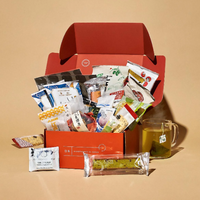
Bokksu brings the magic of Japan’s snack culture right to your doorstep, carefully curating authentic treats that capture both nostalgia and the flavors of the season. Each box is filled with delights—from chewy, melt-in-your-mouth mochi to crispy senbei and delicate cookies infused with matcha—offering a true taste of classic Japanese sweets. Many are designed with a long shelf life, making them perfect to savor slowly or share with loved ones. By combining nostalgic Japanese snacks with limited-edition seasonal specialties, Bokksu creates a delicious way to connect with the richness of Japanese culture no matter where you are.
Subscribe to Bokksu Snack Box today and bring the flavors of Japan home!



-
Trending Posts

-


Author Bio
More from the blog
View all


