



Snack ASMR: The Sounds of Japanese Crunch
Introduction: Why Food ASMR Has Gone Viral

A few years ago, no one could have predicted just how big the world of food ASMR would become. Today, it's a global trend sweeping Tiktok, YouTube, and Instagram, with millions tuning in not just to watch but to listen closely as creators crunch, slurp, and chew their way though countless treats. ASMR—short for Autonomous Sensory Meridian Response—refers to the tingling, deeply relaxing sensation that certain sounds and visuals can trigger.
In food ASMR, that magic comes from the crisp snap of chocolate, the bubbly fizz of a drink, or the stretchy pull of cheese. Japanese snacks, with their endless creativity and playful textures, fit seamlessly into this trend. From the satisfying crunch of senbei rice crackers to the soft, stretchy chew of mochi, these treats don’t just taste amazing—they sound good too, making them natural stars of the global food ASMR craze.


The Science Behind Crunch: Why Sound Changes Flavor

The science behind a satisfying crunch goes deeper than just a tasty bite—it’s part of the psychology of food acoustics, a field that explores how eating sounds shape our perception, enjoyment, and even how much we eat. Researchers have found that when we hear the crisp snap of a potato chip or the fizzy crackle of soda bubbles against our lips, our brains register the food as fresher, crunchier, and more appealing. This is called the “crunch effect,” where subtle differences in chewing sounds can completely change how we judge texture and quality. In fact, studies show that louder, sharper chewing can make snacks seem fresher, while duller sounds may signal staleness. These auditory cues play a bigger role than we often realize—our ears work alongside taste and smell to amplify the sensory satisfaction of every bite.
Crunchy Classics: Japanese Senbei and Rice Crackers
Senbei, arare, and other Japanese rice crackers are some of the most iconic "loud" snacks you'll ever bite into and that's exactly why they've become ASMR favorites. With every crisp snap, crackle, and crunch, these traditional treats bring eating sounds to life in a way that viewers can't get enough of. Rooted in centuries of Japanese food culture, senbei are often made from roasted or baked rice and come in endless variations, from savory soy sauce–glazed rounds to sweet, sugar-dusted versions.
Arare, their smaller cousin, is typically seasoned with soy sauce or wrapped in nori, making them perfect for snacking by the handful. Other beloved varieties, like kaki no tane (crescent-shaped rice crackers often mixed with peanuts) and okaki (puffed rice crackers), continue to showcase the rich creativity of Japan’s snack traditions.

Fizzy and Fun: Ramune Candy and Other Popping Treats

Ramune candy and pop rocks-style sweets are a playful reminder that snacks can be just as fun to listen to as they are to eat. Ramune, in particular, holds a special place in Japanese culture—not just for its refreshing taste, but for the iconic ritual of opening a ramune soda bottle with its marble drop and the satisfying fizzing sound that follows. That same sensory excitement carries over into ramune candies and fizzy tablets, which bubble and dissolve on the tongue.
Japan has also embraced crackling treats like Pachi Pachi Panikku, a pop rocks–style candy that pops and snaps in the mouth like tiny fireworks, creating a fun auditory surprise. On the other hand, while not soda-inspired, the crystal-like kohakutou—a traditional wagashi whose name translates to “amber sugar”—brings its own unique charm. Made from agar and sugar, it develops a sparkling crystalized shell with a crisp, glassy crunch, while the inside stays soft and jelly-like. This contrast makes kohakutou just as captivating for the ears as it is for the taste buds, proving that Japanese sweets excel at turning texture and sound into part of the enjoyment.
Mochi and Gummies: The Quiet Side of Snack ASMR

Not all ASMR snacks are about crunch—chewy textures bring their own kind of satisfaction. Soft mochi, springy gummies, and pillowy daifuku offer that gentle squish that fans love to hear, creating a soothing rhythm with every bite. Unlike the sharp snap of a cracker, these treats highlight the subtler side of chewing sounds, where elasticity and stretch take center stage. The sticky pull of mochi, the bounce of fruit gummies, or the creamy filling tucked inside daifuku all add variety to the ASMR experience, proving that sound isn’t just about loudness—it’s about texture. For many, the quiet chew of these sweets feels comforting, almost like the audio equivalent of a cozy hug.
Packaging Matters: The Crinkle, Snap, and Tear

In Japan, the snack experience begins long before the first bite as packaging itself is part of the fun. Bright wrappers that crinkle in your hands, the satisfying snap of opening a sealed bag, and the eye-catching designs all add to the sensory delight. Inspired by Japan’s love for kawaii (cute) culture, many snacks feature memorable mascots, limited-edition artwork, or collaborations with popular anime and pop culture icons. Seasonal changes bring even more excitement, with packaging shifting to reflect cherry blossoms in spring, fireworks in summer, or cozy motifs in winter. This constant creativity not only makes snacking more enjoyable but also shows how brands continually innovate to keep fans engaged. For collectors and casual snackers alike, Japanese packaging turns a simple treat into a full sensory experience.
Why ASMR and Japanese Culture Align
ASMR may feel like a modern internet trend, but its connection to Japanese culture runs surprisingly deep. In Japan, eating has long been about more than simply satisfying hunger—it’s about being fully present and appreciating food with all five senses. This cultural value is deeply reflected in practices like kaiseki dining, where every dish is carefully prepared to engage all the senses and highlight seasonal ingredients, textures, and the harmony of different tastes.
Seasonal treats, such as sakura mochi in spring or roasted chestnut snacks in autumn, invite people to savor the fleeting beauty of each time of year. In a similar way, food ASMR encourages people to slow down, listen, and savor every crunch, slurp, or chew, transforming eating into a meditative experience. By drawing attention to the subtle details we might otherwise overlook, ASMR can support a deeper appreciation of food and its connection to time, place, and mood.
Snack ASMR on YouTube and TikTok

Content creators across TikTok, YouTube, and Instagram have turned Japanese snacks into ASMR superstars, and it’s easy to see why. With their amazing textures, eye-catching packaging, and surprising sounds, these treats are perfect for anyone looking to create engaging content. From the sharp crunch of senbei rice crackers to the fizzy pop of Pachi Pachi Panikku and the chewy pull of mochi, these treats bring variety that keeps audiences hooked. Creators often film close-ups, letting microphones capture every detail, turning ordinary snacking into a full sensory performance.
What makes these videos especially powerful is the global reactions they inspire. Viewers from all over the world leave comments describing how the sounds make them hungry, calm, or oddly comforted, even if they’ve never tasted the snacks themselves. Some express nostalgia if they grew up in Japan or have visited, while others say they discovered new Japanese treats through these videos and are eager to try them. The mix of cultural curiosity and sensory satisfaction creates a unique bridge between Japan and international audiences. In many ways, Japanese snack ASMR has become more than entertainment and improves the way people connect and share experiences, sparking conversation and bonding through the universal joys of food and sound.
Bokksu's Multi-Sensory Snack Experience: Playing with Sounds, Textures, and Different Tastes

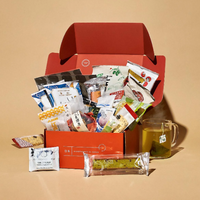
Bokksu takes the magic of Japanese snacking to the next level by curating treats that delight not just the taste buds but all the senses. Each box is filled with a range of textures and sounds, from crispy to chewy, making every bite feel like its own mini ASMR moment. Even the packaging plays a role, with colorful wrappers, seasonal designs, and the satisfying tear or snap as you open them. This thoughtful curation makes unboxing more than just opening a snack; it becomes a sensory journey and an invitation to slow down, listen, and savor. With Bokksu, every delivery feels like a carefully designed performance, showing that you don’t need a microphone to enjoy the sounds, textures, and visual charm that make Japanese snacks so unforgettable.
Conclusion: Crunch Into the Trend with Bokksu

Exploring Japanese snacks is about more than taste—it’s about the joy of sound, texture, and presentation coming together to create something unforgettable. With a Bokksu Snack Box subscription, you don’t just enjoy authentic treats from Japan—you join a sensory adventure that celebrates crunch, fizz, and chew in every box. Each delivery is thoughtfully curated so that subscribers can discover how snacks accept a bigger role in storytelling, culture, and playfulness, turning unboxing into an experience all its own.
Ready to experience it for yourself? Subscribe to Bokksu today and bring the sounds and flavors of Japan straight to your doorstep.



-
Trending Posts

-


Author Bio
More from the blog
View all


