



Sunshine and Fireworks: Summer in Japan Travel Guide

This guide is for travelers planning a summer trip to Japan, whether it's your first visit or a return adventure. Summer in Japan is a unique time to visit, offering a vibrant blend of festivals, fireworks, mountain escapes, and tropical beaches that you won't find in any other season. Japan's summer runs from June to August, and the country experiences close to 100% humidity in summer, making it a truly distinctive experience for visitors.
Visiting Japan in summer unveils a vibrant, energetic side of the country. While spring's cherry blossoms draw the biggest crowds, summer brings its own charms: fireworks-lit nights, mountain trails, tropical beaches, and seasonal food built for the heat.
This summer in Japan travel guide covers where to go, what to eat, and how to spend your days and nights on a summer trip to Japan, with festivals covered briefly here and in full detail in our dedicated guides, so you can build an itinerary around whichever side of the season interests you most.
Where Summer Festivals Fit In
Summer in Japan is inseparable from festival season. Obon, held nationwide in mid-August, honors the spirits of ancestors with Bon Odori dances and Toro Nagashi lantern-floating ceremonies, while cities across the country host massive fireworks displays throughout July and August that draw crowds numbering well into the hundreds of thousands for a single night. Obon Festival is celebrated between August 13th and 15th.
Rather than repeat that ground here, this guide focuses on everything else a summer trip involves, food, beaches, mountains, nightlife, and culture, while pointing you toward our dedicated festival coverage for the celebrations themselves.
For a full breakdown of the season's biggest matsuri, from Gion Matsuri and Awa Odori to Nebuta and Kanto Matsuri, see our complete guide to Japanese summer festivals. And for the story behind Tanabata, Japan's star festival held across the country each summer, we've got a dedicated explainer here. For more on Obon specifically, including its history and rituals, read our full Obon guide.
Summertime Cuisine: What to Eat (Including Shaved Ice)
As the summer weather in Japan heats up, the country comes alive with a variety of refreshing seasonal treats. Here are some of the most popular summer foods in Japan:
-
Kakigori: Kakigori is a popular summer treat in Japan made from finely shaved ice topped with syrup. This beloved traditional dessert is perfect for staying refreshed on a hot afternoon.
-
Somen and Nagashi Somen: Somen noodles are a beloved choice, enjoyed cold with a dipping sauce known as tsuyu, made from soy sauce, mirin, and dashi broth. Nagashi somen is a popular summer dish in Japan where diners catch flowing noodles with chopsticks as they float past in a bamboo flume—a playful summer tradition in its own right.
-
Seasonal Seafood: Japan's extensive coastline guarantees an abundance of fresh seafood at its peak in summer: grilled ayu (sweetfish), uni (sea urchin), and ika (squid) all feature heavily on summer menus, prepared as sashimi, grilled, or marinated.
Kakigori and Summer Treats
Kakigori, a finely shaved ice dessert topped with sweet syrups and various toppings, is a must-try for anyone visiting Japan in the summer. Japanese soft serve ice cream, known for its creamy texture and diverse flavors, is also readily available at convenience stores and tourist spots for a quick cool-down between stops.
Cold Noodles and Nagashi Somen
During Japan's summer season, cold somen noodles are a staple, served with a chilled dipping sauce. Nagashi somen, where diners catch noodles flowing down a bamboo flume with chopsticks, is a fun and interactive way to enjoy this refreshing dish.
Seasonal Seafood
Many regional festivals and night markets center almost entirely around these seasonal specialties, making food one of the easiest ways to experience summer's rhythm firsthand.

Where to Go During the Rainy Season: Beaches and Mountains
Beach Destinations
As an island nation, Japan's summer season invites exploration of its diverse and stunning beaches. Okinawa Prefecture, in Japan's warm southernmost region, features some of the country's most tropical and picturesque coastline, with crystal-clear waters and vibrant marine life across beaches like Manza Beach, Emerald Beach, and Sunset Beach, all popular for snorkeling and scuba diving.
Closer to Tokyo, the Izu Peninsula in Shizuoka Prefecture offers a quieter alternative, celebrated for its rugged coastline, hot springs, and tranquil beaches like Shirahama Beach and Atami Sun Beach, along with Kisami Ohama Beach for those chasing a good surf break. For a full rundown of Japan's best coastal spots, see our complete beach destinations guide. One thing worth planning around: Japan's rainy season, tsuyu, typically runs from June to mid-July and brings frequent showers and humidity to most regions before summer proper sets in, so late July onward tends to offer the most reliable beach weather.
Mountain Escapes
Japan's mountainous regions offer a cool retreat from summer heat. Mount Fuji, at 3,776 meters, is Japan's tallest and most iconic peak, with an official climbing season running from early July to early September, making summer the only real window to attempt the summit safely, since mountain huts and trail facilities close outside this period. It is also the only time many travelers plan to climb it with full access and support on the mountain.
For trail details and planning tips, see our expert guide to climbing Mount Fuji. For cooler alternatives, the Japanese Alps, split into the Northern, Central, and Southern ranges across central Honshu, offer trails for every skill level, with Kamikochi in the Northern Alps standing out as the scenic "Gateway to the Japanese Alps," and Mount Kita in Yamanashi offering a quieter, less crowded climb than Fuji itself. In northern japan, Hokkaido is a top summer escape, with cooler temperatures, average highs of about 24°C to 28°C, and Sapporo enjoying milder weather than many other Japanese cities. The tohoku region, especially Northern Tohoku, also offers beautiful landscapes and cooler summer weather for travelers who want mountain scenery without Fuji crowds.

How to Spend Your Days and Nights
Outdoor Activities
Despite the summer humidity, Japan's natural landscapes still offer manageable ways to stay active with smart timing and pacing, from river rafting to cycling to peaceful multi-day trekking routes through less-visited countryside, and hydration is crucial during this season. For outdoor plans, try sightseeing early and begin hikes, cycling, or other activities in the first half of the day or later in the afternoon instead of midday so you can stay cool.
Camping is a particularly popular way to connect with the country's scenery, often set within national parks; our full camping guide covers standout spots like the Fuji Five Lakes area in Yamanashi, along with a growing number of glamping sites for those who want the scenery without giving up creature comforts, and it's wise not to overschedule active days so you can rest during the hottest hours. Cycling routes like the 70-kilometer Shimanami Kaido in Ehime-Hiroshima, with its sea views and connecting bridges, offer another scenic way to explore at a slower pace, while the paths around Lake Biwa in Shiga provide a flatter, more relaxed ride alongside Japan's largest freshwater lake. If you want a short hike instead, shaded sections of the Kumano Kodo are a more manageable option in summer.
Tips for Staying Cool and Safe
Pack the following for a comfortable and safe summer adventure in Japan:
-
Light, breathable clothing
-
At least two pairs of comfortable sneakers
-
A water bottle and drink plenty of fluids
-
A UV umbrella or hat for sun protection
-
Cooling towels or a personal fan
Urban Attractions and Nightlife
Summer in Japan's major cities has its own energy, but summer there is notoriously hot, and in the hottest August spells temperatures can exceed 40ºC/100ºF. Tokyo's skyline fills with rooftop beer gardens offering a break from the heat alongside drinks, food, and city views, many staying open well past sunset to catch the cooler evening air. Kyoto is especially brutal in summer because of its high humidity.
Night markets, like Nakamise Street in Asakusa and Tenjibashisuji Shotengai in Osaka, transform after dusk into lively stretches of street food and stalls, offering a far more atmospheric way to eat dinner than a typical restaurant. When exploring by day, use air-conditioned public transport to move between neighborhoods and escape the heat, then duck into department stores for a reset and pick up cold drinks before heading back out. Evening illumination events light up urban landscapes across the country well into the night, turning ordinary city blocks into something closer to an outdoor art installation for a few weeks each summer.

Cultural Experiences and Photography
Cultural Workshops
Summer offers a chance to dig into Japanese cultural traditions beyond the festivals themselves. Yukata, a lightweight cotton kimono, is widely worn during summer events, with rental shops in many tourist areas happy to help visitors dress and wear one properly, right down to the correct way to tie the obi sash.
Hands-on workshops, from crafting your own hand-painted uchiwa fan to a full Japanese tea ceremony class, offer an immersive way to spend an afternoon, often held in historic tea houses or machiya townhouses that add their own sense of place to the experience.
Photography and Art
A summer trip pairs naturally with photography and art, with guided tours in Tokyo and Kyoto built around capturing summer light, gardens, and historic landmarks illuminated after dark.
Beyond the cities, locations like Mount Fuji, the historic village of Shirakawa-go, and Okinawa's beaches offer stunning backdrops for both amateur and professional photographers alike, while museums like the Tokyo National Museum and Kyoto Municipal Museum of Art round out a culturally rich summer itinerary for anyone looking to balance outdoor exploration with a slower, indoor pace.
Frequently Asked Questions
When is the best time to visit Japan in summer?
Late July through August is peak summer, with the most festivals, fireworks, and beach weather, though it's also the hottest, most humid, and most crowded stretch of the year, especially around Obon in mid-August. July and August are generally the hottest months in Japan, and temperatures can exceed 40ºC/100ºF in August. Traveling in mid-August requires advance bookings due to high demand during Obon.
Do I need to plan around Japan's rainy season?
Yes. Tsuyu, Japan's rainy season, typically runs from early June to mid-July in most regions, bringing frequent showers before the drier, hotter summer months set in, so late July onward is generally more reliable for outdoor plans.
What should I eat in Japan during summer?
Cold dishes dominate summer menus, including:
-
Somen noodles (including nagashi somen, where diners catch flowing noodles with chopsticks)
-
Kakigori shaved ice (a popular summer treat in Japan made from finely shaved ice topped with syrup)
-
Fresh seasonal seafood like sweetfish, sea urchin, and squid, all designed to feel refreshing in the heat rather than heavy.
Where can I see fireworks or festivals during a summer trip?
Fireworks and festivals run nationwide from July through August, with major events tied to Obon in mid-August and dedicated matsuri like Gion Matsuri, Awa Odori, and Tanabata throughout the season, most easy to plan a trip around. Obon Festival is celebrated between August 13th and 15th.
Is Mount Fuji open to climb in summer?
Yes, the official climbing season runs from early July to early September, making summer the only period most trails and mountain huts are open to climbers, since conditions outside this window are considered unsafe for most hikers.
What should I wear to a Japanese summer festival or event?
A yukata, a lightweight cotton summer kimono, is the traditional and popular choice for both visitors and locals attending summer festivals and events, and rental shops near most festival sites make it easy to try one for the evening.
Discover Japan One Snack at a Time
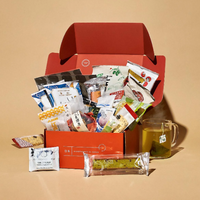
A Japan summer trip moves at its own rhythm: festivals and fireworks alongside quiet mountain trails and slow afternoons at the beach. Bokksu brings a taste of that same seasonal rhythm to your door each month, with authentic Japanese snacks handpicked from century-old makers across Japan's 47 prefectures, each box its own small trip through the season.
Ready to bring some of that seasonal rhythm home? Discover the Bokksu Snack Box subscription and explore Japan all year round.

-
Trending Posts

-


Author Bio
More from the blog
View all


