



The Taste of Autumn: Harvest Snacks from Across Japan
The fall harvest in Japan brings exciting flavors that pair nicely with the season’s cozy weather. For many, there is no better way to savor autumn’s bounty than through Japanese harvest snacks. These treats feature flavors from classic harvest foods like sweet potatoes, chestnuts, and plums.
In this post, we’ll explore all kinds of exciting harvest-time snacks from Japan and how you can enjoy them yourself this fall. Let’s help you find your personal favorite snacks!
October in Japan: A Season of Abundance

The Japanese autumn lasts from September to November. However, its arrival marks a phenomenon bigger than the change in weather. Autumn is also the harvest time for most Japanese crops. The season isn’t just important for agriculture; it’s a period of cultural significance, filled with various festivals and traditional rites.
October lies in the middle of autumn, and by then, the crop harvest is in full swing. With fresh ingredients at the heart of Japanese food culture, autumn cuisine and snacks highlight root vegetables, chestnuts, pumpkins, and many other recently harvested crops. Caramel-flavored corn puffs, rice crackers, french fries, Chips Ahoy, shrimp chips, strawberries, popcorn, Pocky, and other everyday treats take a back seat, and harvest foods steal the spotlight.


The Cultural Significance of Harvest Foods

Japanese agricultural traditions often associate harvest foods with nature. Locals regard these crops as gifts from the land, meant to be celebrated. Hence, harvest season often features festivals and rituals that celebrate Japan’s connection to these crops. Rural harvests also influence the flavors in soups, snacks, rice dishes, and sweets, thereby inspiring limited-time products each year. Those foods are often eaten as seasonal snacks on festival grounds, but they may also serve as offerings at temples and shrines. Below are examples of autumn festivals and the harvest snacks tied to each:
-
Tsukimi (Moon Viewing) Festival: Dango, mochi, and chestnut sweets.
-
Shichi-Go-San (Seven-Five-Three) Festival: Chitose ame, kombumaki (kelp rolls), and Osekihan (red bean rice).
-
Kiku Matsuri (Chrysanthemum Festival): Chrysanthemum tea and chrysanthemum-flavored sweets.
If you’re a fan of Asian cuisine, fall provides you with ample opportunity to explore as many harvest snacks as you want. The rest of this post will reveal classic flavors in the modern market.
Sweet Potatoes: Japan’s Autumn Superstar

Japanese sweet potatoes (or satsuma-imo) are a staple in fall. They are sweeter, starchier, and fluffier than Western versions. Hence, people all over the world prefer them. Japan currently boasts 40 to 60 varieties. Most of them, such as murasaki, beni-azuma, and shiruku suiito have purple skin and creamy yellow flesh. However, special variants, like beni-imo (the Okinawan sweet potato), have clear skin and deep purple flesh. Adults and kids in Japan love to transform the purple sweet potato into tasty snacks. The following are special autumn treats created with satsuma-imo:
-
Yaki-imo (roasted sweet potatoes): A popular street food made by roasting or baking whole potatoes. Many Japanese people have fond, nostalgic memories of the snack.
-
Imo-yokan: Traditional Japanese jelly-like dessert made with sweet potatoes and water. It’s a popular autumn wagashi and tastes fantastic with green tea.
-
Sweet potato chips: Homemade or store-bought sweet potato slices that have been fried into crispy chips.
-
Daigaku-imo (candied sweet potatoes): These are deep-fried sweet potatoes covered in caramelized candy syrup and sprinkled with black sesame seeds.
-
Sweet potato cookies: Soft and chewy cookies made with sweet potato puree and sugar.
-
Sweet potato tempura: A dish of sweet potato slices coated in batter and deep-fried.
-
Kara-imo: Traditional Japanese candy made by cooking the root tubers over an open flame and mixing with malt.
Chestnut Snacks for a Cozy Season

Arguably the most popular fall harvest food in Japan, chestnuts (kuri) will play a huge role in this season’s cuisine. They symbolize autumn’s arrival, warmth, and seasonal comfort. Japanese chestnuts have a slightly sweet and nutty flavor. They can be used as ingredients for dishes or flavoring for desserts. Thanks to their culinary diversity, people utilize them in all kinds of sweet and savory snacks, including wagashi, cakes, and dark or white chocolates. The following is a list of modern and traditional Japanese snacks containing chestnut:
-
Kuri manju: Traditional wagashi made of steamed cake filled with sweet red bean paste and chestnut paste. It’s one of the most popular Japanese snacks in Tokyo.
-
Kuri gohan: Also known as chestnut rice, it’s a signature fall dish of cooked chestnut on top of cooked rice.
-
Mont Blanc: Japanese-style Mont Blanc is a classic dessert consisting of a sponge cake surrounded by vermicelli-shaped chestnut puree and topped with whipped cream.
-
Kuri dango: Japanese dumplings made from rice flour and coated with sweet pureed chestnut paste.
-
Chestnut Kit Kat: This Japanese Kit Kat brand combines the sweet taste of creamy chocolate with the nuttiness of seasonal chestnut.
Pumpkin with a Japanese Twist

Kabocha is a Japanese variety of winter squash. People in the Western regions simply call it the “Japanese pumpkin.” In Japan, kabocha is a common autumn ingredient. It appears in many traditional dishes, from soups to stews.
Nimono is a savory simmered dish made with dashi and seasoned with soy sauce, sake, and other ingredients. Kabocha squash is one of the most common base ingredients for making nimono (Kabocha no Nimono). The Japanese version of the pumpkin also appears in vegetable tempura. Desserts are not left out. In autumn, people use kabocha to make mochi, pies, pudding, ice cream, and even salty crackers.
Root Vegetables Beyond the Classics
Autumn offers more than sweet potatoes; many other root vegetables abound, full of dietary fiber and vital nutrients. In this section, we’ll examine some of the common fall root vegetables in Japan and how they add earthy depth and texture to seasonal treats:
-
Burdock (gobo): Known for their high antioxidant content, burdock roots have extensive applications in medicine. However, they can also serve as delicious snacks. Popular snack options are yama-gobo (pickled burdock) and kinpira-gobo (braised or julienned burdock).
-
Lotus root (renkon): Fall is the peak season for picking lotus root. The edible rhizome is often used to make many Japanese snacks like kinpira-renkon (julienned lotus roots), lotus root chips, and tempura.
-
Taro (satoimo): Taro root is a sweet, earthy, and nutty vegetable harvested in the fall. The cooked stems can be used in treats like gratins and salads.
Regional Autumn Snack Specialties

You’ll find local harvest-inspired snacks from different prefectures in Japan. Food vendors and Japanese grocery stores in each region make these treats using locally sourced produce. In Hokkaido, salmon become abundant in the nearby ocean, and their eggs are used to make sujiko salmon roe, a local specialty. Folks in Kyoto enjoy a special kind of taro-potato dish known as ebi-imo. The taro forms its outer crust and is infused with pepper and soy sauce.
Kagoshima is famous for sweet potato lattes in the fall. This velvety smooth drink features roasted satsuma-imo, milk, and sweeteners. To most of those regions, snacks mean more than just food. Local sellers package regional snacks in seasonal designs and offer them to tourists as edible souvenirs.
Seasonal Packaging That Celebrates the Harvest
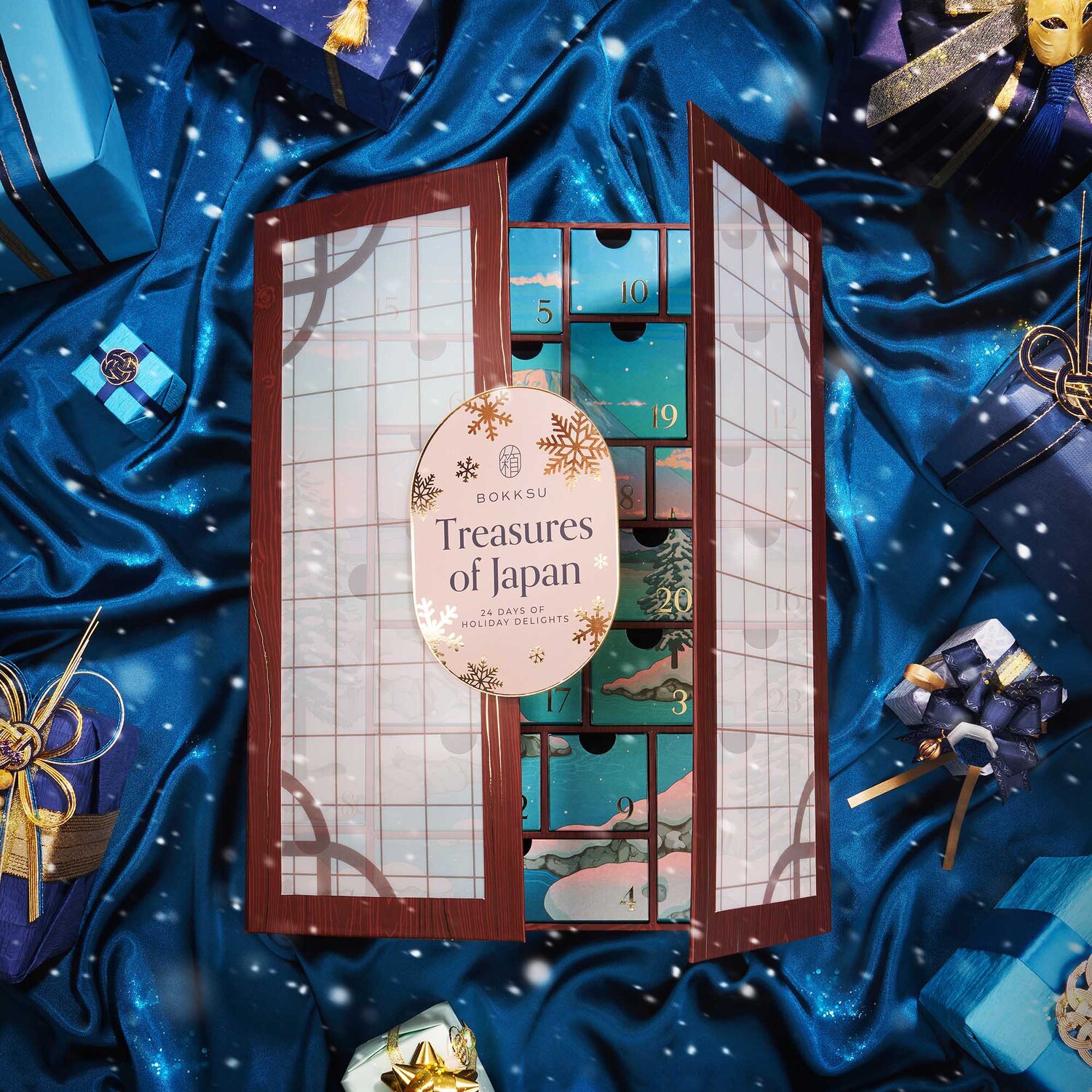
Autumn snack packaging, such as bags, packs, and boxes in Japan, incorporates warm colors, cute foliage, and harvest motifs. Curators and luxury snack shops use symbolic illustrations on individually wrapped treats to celebrate the gifts of the season. During autumn, tree leaves turn a vibrant red, orange, or gold, and it’s not uncommon to find those colors adorning fall snack packaging. The designs also feature images of harvest foods such as chestnuts and depictions of autumn foliage. In the end, the aim is to evoke nostalgia in shoppers and make the snacks more appealing.
The Seasonal Snack Box Experience

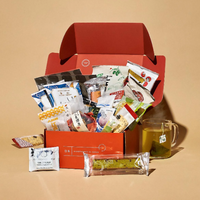
The easiest and fastest way to enjoy a collection of snacking experiences from Japan is through curated snack boxes. They capture the different flavors of Japan’s harvest season by giving consumers a taste of trendy treats from the regions of the country.
If you can’t spend time exploring Asian grocery stores this fall but would love to still experience culinary delights from Japan, you can still indulge in authentic snack boxes. These curated products are also perfect for gifting, thanks to their rare contents and exquisite packaging.
Bringing the Harvest Home with Bokksu

When it comes to seasonal snack boxes from Japan, Bokksu stands out as a top choice. We offer a curated collection of delicious, authentic snacks made by artisan shops. Every month, we’ll send your box directly to your doorstep. You can also ask us to send it to someone else as a gift. Our subscribers get to explore a different theme every month, ensuring that they get a taste of the changing seasons with each box. The theme for October is called Blazing Maple Hills, and with it comes the chance to receive fun gifts from us.
Blazing Maple Hills is a Japanese snack box bursting with fall flavors. This theme draws inspiration from the crimson maple hills, golden ginkgo-covered land, glowing valleys, and vivid beauty of Japan’s autumn foliage. Beyond snacks, it offers you an illustration of how Japan’s hills blaze with color and temples shine among foliage as autumn deepens. This October, explore vibrant landscapes with snacks that reflect the warmth, wonder, and bittersweet joy of autumn’s fleeting masterpiece.
From OCTOBER 1st to 31st, you can get free special snack boxes when you subscribe to Bokksu. This is how it works:
-
Receive 1 free box when you subscribe for 6 months
-
Receive 2 free boxes when you subscribe for 12 months
Simply apply the discount code BLAZINGGIFT at checkout to claim your free boxes. You can keep these boxes for yourself or send them to family or friends.
Existing subscribers are not left out. If you already have a 1- or 3-month subscription with us, contact customer support to upgrade to a 6-month or 12-month plan and receive the corresponding free boxes. Are you less than 3 months into your existing 6-month or 12-month subscription? Contact support to extend your subscription and claim your free boxes.
Remember, the offer ends on October 31st, so hurry now before it’s too late! Get a Bokksu Snack Box Subscription today to enjoy Japanese autumn flavors from the comfort of your home.



-
Trending Posts

-


Author Bio
More from the blog
View all


