



The Ultimate Guide to Mochi: Types, Flavors, and How It’s Eaten in Winter
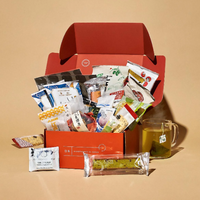
Mochi, the iconic rice cake, is the king of all Japanese desserts. It's incredibly popular and holds immense cultural significance, especially during winter and New Year (Hatsuyume Dreams). This chewy, comforting dessert features countless flavors and fillings, which add to its universal appeal. People worldwide enjoy curated mochi-inspired treats with the Bokksu Snack Box—and you can too!
What Is Mochi? A Beginner’s Guide

Mochi is glutinous rice pounded into a sticky, chewy confection. Many know it as the Japanese rice cake. Traditionally, the main ingredient in mochi is the short-grain japonica glutinous rice (mochigome). Japanese people often mix mochigome with cornstarch, sugar, and water. They enjoy it alone or stuffed with fillings like sweet red bean paste (anko), white bean paste (shiroan), fresh fruit, chestnut, and even ice cream. Fillings and additional ingredients give mochi its flavor. As a result, there are many different types of mochi. We’ll reveal a few of them in this post.
Mochi is a major component of most Japanese traditional sweets (wagashi), including daifuku and manju. It has also been a sacred food in religious gatherings since ancient times. During Japanese winter and New Year celebrations, people eat freshly made mochi to symbolize good luck and prosperity. Mochi is also famous outside of Japan, thanks to its comforting, soft, and chewy texture. Hence, there are modern variations across the world.


The History of Mochi: From Tradition to Modern Treats

We can trace the roots of mochi to ancient Japan, long before the Nara period (710-794 AD). In fact, the rice cake of that era was similar to the mochi we know today. People started using it in Shinto rituals during the Heian period (794-1185). At the time, Japanese nobility also served mochi in their lavish celebrations, especially weddings. It was around that period that they began the New Year tradition of eating mochi to symbolize longevity. In the Muromachi period (1336–1573), the tradition evolved into a samurai practice of eating kagami mochi (New Year's mochi).
Mochi became a nationwide staple in the Edo period (1603-1868), and almost everyone had access to the dessert. This uptick in popularity coincided with the introduction of sugar in the country. Today, mochi remains a popular Japanese New Year dessert.
Daifuku vs Mochi: Understanding the Difference

Plain mochi tastes, looks, and feels different from daifuku, which is literally mochi stuffed with sweet fillings. We’ve highlighted their core differences below:
Flavors
Plain mochi has a bland flavor, with a slightly sweet taste if it features a sugar mixture. Daifuku typically has a sweet flavor, thanks to fillings like sweet bean paste, strawberries, or ice cream.
Method of Eating
People usually cut both mochi and daifuku into bite-sized pieces before eating them. However, they enjoy mochi as a standalone snack or topped with savory ingredients. The typical way to enjoy daifuku is to eat it alongside green tea.
Occasions for Consumption
Plain mochi is common in religious celebrations, particularly during New Year. Some regions also serve it at weddings and funerals. Daifuku is popular year-round, but people often serve it at seasonal festivals due to its sweet taste and convenient nature. Ichigo daifuku, the strawberry-filled version, is a popular springtime treat in Japan.
Classic Mochi Flavors to Try This Winter

Fillings and additional ingredients enhance the flavor of mochi. Hence, the use of local ingredients ensures that flavors vary regionally and seasonally. Let’s explore traditional flavors popular in the winter season that often inspire limited-edition variations.
-
Anko (sweet azuki bean paste): This is the ultimate filling for sticky rice cake. It’s made from mashed and sweetened adzuki beans. Anko offers a sweet, earthy, and nutty flavor.
-
Matcha: Confectioners use green tea powder as a flavor enhancer and dye by adding it to chewy mochi dough. Its slightly bitter and earthy taste complements the soft texture of the chewy rice cake.
-
Yuzu: Candied yuzu mixed in mochi dough results in a zesty snack that combines citrusy flavor with a chewy consistency.
-
Sesame: Made from toasted and ground sesame seeds, this ingredient can function as a filling or coating for mochi. Black sesame is more suited for mochi-making than white sesame because of its bolder, nuttier flavor.
Unique Mochi Varieties Across Japan

Some varieties have an established global reputation. Sakura mochi, daifuku, and mitarashi dango (made from glutinous rice powder) fall in that category. However, there are also some lesser-known varieties worth trying. Each one has a unique texture, flavor, and cultural significance. Let’s explore them!
-
Warabi mochi: Don’t be fooled by its name; warabi mochi does not contain rice. It’s actually made from bracken starch (warabiko). The dessert is sticky, just like mochi. However, it feels a lot more like a jelly, has a bouncy texture, and dissolves faster in your mouth.
-
Kusa mochi: Made by kneading Japanese mugwort in mochi dough, kusa mochi has a vibrant green color and a grassy flavor. It features heavily in Hinamatsuri, the annual Doll's Day (or Girl’s Day) festival.
-
Kinako mochi: This variety features a brown coating of roasted soybean powder, sugar, and hot water. It’s a treat in Japanese New Year celebrations. The thin layer of roasted soybean flour adds a nutty taste to the meal.
-
Yaki mochi: This popular street food and festival snack is made by grilling or baking plain mochi. The cooking process transforms the cakes into a slightly crunchy treat. People often include soy sauce to give the toasted mochi a savory taste.
-
Hishi mochi: This diamond-shaped sweet mochi consists of three layers of mochi with different colors and ingredients. It has a pink (jasmine), green (mugwort), and white layer (chestnut water). In some variations, the dessert has a red layer instead of a pink one. Hishi mochi serves as an ornament in Hinamatsuri.
Other fantastic options you should try include the following: mizu shingen mochi (raindrop cake), bota mochi (sweet rice balls), hanabira mochi (flower petal-shaped confection), and kashiwa mochi (wrapped in kashiwa leaf).
How Japanese Mochi Is Made: From Rice to Sweet Treat

The traditional mochi preparation method is a cultural event known as mochitsuki. Although the ceremony is still quite rare these days, some local communities in Japan still gather to make mochi, especially around the New Year. Here’s a rundown of the process:
-
Soaking glutinous rice in water overnight.
-
Placing the soaked rice in a wooden basket and then steaming it over boiling water.
-
Pounding the steamed rice with a traditional stone mortar (usu) and wooden mallet (kine). This is the main mochitsuki process, and it typically involves two people working in sync. One person pounds and the other swirls the mochi rice while adding water.
-
Cutting the soft mass into smaller pieces (kiri mochi) and shaping them.
Modern variations of the mochi-making process rely on machines. You can cook it with glutinous rice flour at home using a stovetop or microwave. Mass production often requires heavier machinery and an assembly line. These machines control every aspect of the process, from temperature to cutting. During winter, you’ll find seasonal adaptations of mass-produced mochi sold in convenience stores.
How to Eat Mochi: Tips and Etiquette
In this section, we’ll offer guidance on eating mochi safely and properly. Use these tips to get the best out of the chewy winter snack.
Cutting
To avoid choking, cut mochi into bite-sized pieces before eating. Use a knife to cut the treat.
Serving
You can serve fresh mochi immediately on a plate with chopsticks by the side. The chopsticks are essential for handling the stretchy cake without some sticking to your fingers.
Eating
Chew mochi slowly and carefully, while taking time to savor every bite. Japanese etiquette requires that you avoid speaking with food in your mouth. Also, be mindful of the type of filling used in the meal. Some mochi contain hot or slimy ingredients that can catch you by surprise.
Ideal Pairings for Japanese Rice Cakes
Green tea is the best beverage to pair with mochi. However, you can also enjoy it with other beverages. Ideal options are coffee, fruit juice, milk tea, soy milk, or coconut milk. Feel free to pair it with other traditional Japanese dishes, including sweet sauce or savory soups. You can use zenzai (red bean soup) or miso soup.
Mochi in Seasonal and Holiday Celebrations

Mochi plays a role in the Japanese New Year and winter festivals. On December 26 or 28, households display two layers of white mochi on an altar. They make sure to place the larger mochi at the bottom. A dai dai (bitter orange) goes on top of both layers. Some families decorate the entire stack with additional elements such as seaweed, dried persimmons, or cooked rice cakes. The Kagami mochi display symbolizes good fortune, happiness, and positive resolutions for the new year.
The night before using the mochi, some families and friends gather to partake in the pounding event, mochitsuki. The celebratory dessert also features in other seasonal occasions. For example, kusa-mochi and hishi-mochi are popular on Girl’s Day (March 3), and sakura-mochi is the staple food of spring festivals such as hanami (cherry blossom viewing).
Mochi as a Modern Snack: From Street Food to Subscription Boxes

Mochi has been adapted into modern snacks. It often takes the form of packaged treats such as dried mochi or daifuku, mochi puffs, and mochi donuts. Mochi ice cream, one of the most beloved Japanese sweets in the world, is another new-age adaptation. It features a delicious filling of creamy ice cream with modern flavors. You can enjoy these mochi-inspired snacks from Japan at home if you get a Bokksu Snack Box Subscription.
Why Mochi Continues to Captivate the World

Mochi’s chewy texture, versatility, and cultural depth make it one of the most appealing desserts in the world. This winter, you can bring the taste of Japan to your celebrations by exploring Bokksu’s curated offerings. For maximum convenience, secure a Bokksu Snack Box Subscription, which brings you the best seasonal treats from Japan every month. Our winter boxes often include authentic mochi and daifuku from artisan confectioners. Subscribe today to enjoy the best winter flavors of Japan!



-
Trending Posts

-


Author Bio
More from the blog
View all


