



What Is Omotenashi? The Japanese Art of Thoughtful Gifting
Introduction: The Spirit of Giving, Japanese Style

In Japan, to give gifts is an act of empathy and respect. Guided by the spirit of omotenashi, the country’s philosophy of heartfelt hospitality and thoughtful attention to detail, every gift is meant to convey sincerity and care. From the careful selection of the item to the way it's wrapped, tied, and presented, each detail reflects consideration for the recipient. Even the timing of the gift matters, whether it's during a seasonal tradition, a visit, or a special occasion. This deep cultural significance turns gift-giving into a meaningful ritual that not only expresses gratitude but also creates lasting memories and strengthens the bonds between people.


What Does “Omotenashi” Really Mean?

The Japanese word omotenashi means "to entertain and serve with sincerity," capturing a core aspect of Japan's cultural identity: selfless hospitality. This philosophy, which originated in the intentional rituals of the traditional tea ceremony, influences everyday life as well as Japanese gift-giving etiquette. From warm, heartfelt greetings to the way people bring gifts or offer local foods showing appreciation, every action reflects thoughtfulness and care. At its heart, omotenashi is about anticipating the needs of others before they are even expressed, providing genuine attention and kindness without expecting anything in return. Unlike in Western culture, where gifts often mark an occasion or fulfill an obligation, in Japan they carry deep emotional significance, embodying consideration and connection. This mindful approach highlights the true omotenashi meaning, creating comfort, gratitude, and meaningful bonds through sincerity and attention to detail.
How Omotenashi Shapes Gift Giving in Japan

In Japanese tradition, the spirit of omotenashi shapes every stage of gift-giving, from choosing the perfect item to presenting it with care. A gift is never selected at random. It's chosen with the receiver's preferences, personality, and circumstances in mind. Even a small box of sweets brought back from a recent business trip or beautifully packaged local treats can carry as much meaning as an expensive item. The focus is not on extravagance or price, but on the thought, intention, and care behind the gesture. Guided by omotenashi, gift-giving in Japan becomes a heartfelt expression of empathy and appreciation, a reminder that in the heart of Japanese culture, it is sincerity and consideration that make a gift truly meaningful.
The Etiquette Behind Giving and Receiving Gifts

In Japan, giving and receiving gifts is a graceful ritual rooted in respect, thoughtfulness, and tradition. Japanese people follow proper etiquette that turns each exchange into a meaningful act. Gifts are presented and received with both hands, a gesture that conveys humility and genuine gratitude. It's also customary to politely refuse a gift once or twice before accepting it, a sign of modesty rather than reluctance. The wrapping holds equal importance when gifting. Elegant paper, carefully coordinated colors, and precise folds reflect the giver's thoughtfulness and attention to detail, making the wrapping an extension of their care.
Timing and consideration play a key role as well. Whether it’s a small gift or something more special, presents are often exchanged at the start or end of visits, during seasonal celebrations, or at special occasions. In Japanese society, even giving the same gift to multiple people is done thoughtfully to ensure fairness and avoid favoritism. By embracing these customs, both the gift giver and recipient participate in a ritual that strengthens connections, turns ordinary items into memorable gestures, and expresses respect, gratitude, and warmth in a deeply personal way.
Seasonal Gifting: From Oseibo to New Year’s Celebrations

As the year draws to a close, Japan celebrates one of its most heartfelt gift-giving traditions— Oseibo. This beautiful Japanese tradition is centered on expressing gratitude to those who have supported you throughout the year, whether family, friends, or colleagues. It also plays an important role in Japanese business culture, where co-workers and business partners exchange business gifts to strengthen business relationships and show appreciation. Typical Oseibo gifts include high-quality alcohol, household items, food, and plant products, each carefully selected and elegantly wrapped to convey sincerity. While this practice has been part of Japanese life for centuries, it remains just as meaningful today, serving as a reminder that generosity and gratitude are timeless ways to show respect and care.
When the new year arrives, another beloved custom takes center stage — Otoshidama. Japanese homes buzz with excitement as children receive small envelopes of money from parents, grandparents, and other relatives. These envelopes, often decorated with colorful designs or popular characters, symbolize good luck and fresh beginnings for the year ahead. But Otoshidama is about more than just the thrill of receiving money. It’s also a gentle way for Japanese people to teach children the value of saving and appreciating what they are given. Even in today’s digital age, this heartfelt tradition remains a cherished part of New Year’s celebrations, blending fun, family, and meaningful lessons.
Japanese Christmas Gift Traditions: Blending Cultures Beautifully

In Japan, Christmas isn’t celebrated as a religious holiday but as a season of romance, warmth, and light. Streets and parks glow with dazzling illuminations, couples stroll hand in hand beneath sparkling displays, and friends gather to share laughter over festive desserts. Rather than focusing on ceremony, the joy lies in togetherness and sweet gestures, like sharing a slice of Christmas cake or exchanging small, heartfelt presents. Christmas gift giving in Japan often centers on thoughtful, simple items that show care and affection rather than luxury or expense. It’s common for couples and close friends to exchange gifts as tokens of appreciation, turning the holiday into a tender celebration of connection and kindness, illuminated by both twinkling lights and genuine thoughtfulness.
The Art of Presentation: Gift Wrapping as a Reflection of Care

In Japan, the art of wrapping gifts is considered just as meaningful as the actual gift itself. One of the most beautiful ways this tradition comes to life is through furoshiki wrapping, where gifts are carefully wrapped in decorative cloths, folded and tied with intention. This approach isn’t just practical or eco-friendly—it turns the act of giving into a deliberate and considerate gesture, showing respect and care through every detail. Even today, you can find souvenir shops specializing in wrapping, offering a variety of fabrics, ribbons, and wrapping paper that make any gift feel special. Every fold and knot reflects the thought and effort behind the gift, letting the recipient feel the sincerity and care of the giver from the very moment it’s presented.
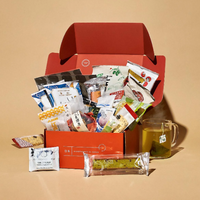
This passion for gift presentation shines through in Bokksu Boutique's snack boxes and gift sets. Each box is carefully arranged, with attention to textures, colors, and layout, making the act of opening it feel like a special experience. Much like furoshiki wrapping, the way the box is presented elevates the actual gift, turning premium snacks into moments of delight and discovery. By blending modern convenience with traditional Japanese aesthetics, Bokksu captures the heart of Japanese gift-giving, proving that thoughtful presentation can make any treat feel unforgettable.
Modern Omotenashi: How Japan’s Gift Culture Evolves

Japan's gift culture strikes a fascinating balance between tradition and innovation, blending long-standing customs with fresh, creative ideas. Thoughtful gift selection remains central, whether it’s choosing luxury confectionery for its elegance and flavor, selecting experiential gifts like tea ceremony or cooking workshops, or curating seasonal holiday boxes filled with artisanal treats. Even as the types of gifts evolve, the underlying principle of showing care and consideration stays the same. Japanese tourists tend to seek out unique and meaningful items, often bringing home beautifully packaged souvenirs that reflect both local craftsmanship and personal sentiment. In this way, Japan’s gift-giving culture honors its rich tradition while finding inventive, modern ways to delight and connect with others.
Bringing Omotenashi Home: Bokksu Boutique’s Take on Thoughtful Gifting

Bokksu Boutique serves as a wonderful bridge to authentic Japanese gifting, offering carefully curated snack boxes, artisan treats, and thoughtfully designed gift sets inspired by the spirit of omotenashi. Each box is packed with high-quality, handpicked gift items that capture the flavors and traditions of Japan, making it a heartfelt way to show appreciation. Perfect for thank you gifts or holiday surprises, Bokksu transforms simple snacks into moments of joy and cultural discovery. This holiday season, giving a Bokksu box is more than sharing a present — it’s a way to celebrate Japanese culture, connect with loved ones, and express thoughtfulness in a way that's truly memorable.
Conclusion: Gifting with Heart, Inspired by Japan

At its core, omotenashi in gift-giving reminds us that the true value of a present isn't in its cost, but in the thought, care, and attention that go into it. It’s about selecting something with genuine sincerity, keeping the recipient’s preferences and needs in mind, and giving without expecting anything in return. This holiday season, you can bring that spirit to life with Bokksu’s carefully curated offerings. Each box is crafted to surprise and delight, making them the best gifts for family members and loved ones, letting you share a taste of Japan while embracing the timeless art of giving with care and consideration.\



-
Trending Posts

-


Author Bio
More from the blog
View all


