



What are the Differences Between Mochi and Daifuku?

The beloved Japanese snack of mochi has found fame across the globe, thanks to its irresistibly chewy and stretchy texture. But what is daifuku exactly and what does daifuku mean? It’s actually just a mochi that’s been stuffed or filled, most commonly with red bean paste but often with other flavors too. In fact, just like there are many types of mochi, daifuku has many variants - some of which we’ll touch on in this article.
The main difference between mochi and daifuku is that the latter is a sweet, sugary version of the former, known as a Japanese wagashi. Daifuku is typically eaten as a dessert, while mochi in its plainest iteration is a savory snack that doesn’t have much taste, its only sweetness stemming from the natural sugars and starch present in glutinous rice.


What is Mochi?

Mochi (餅) is Japan’s iconic chewy rice cake made from glutinous rice (mochigome). The rice is steamed, pounded, and kneaded until it becomes an elastic, stretchy dough — a texture now trending across global desserts in 2025.
Plain mochi has a subtle sweetness and neutral flavor, making it a perfect base for both sweet and savory dishes. Modern variations include matcha, sakura, sesame, and fruit-infused mochi — all popular in Japanese cafés and fusion desserts worldwide.
Whether baked, grilled, or topped with sweet red bean paste (anko), mochi’s versatility keeps it relevant in both traditional and contemporary kitchens.
What is Daifuku?

Daifuku (大福), literally meaning “great luck,” is mochi filled with something sweet — most often red bean paste, but also with fruit, cream, or matcha. It’s considered a type of wagashi (Japanese confectionery) and is a staple in modern dessert culture.
In recent years, strawberry daifuku (ichigo daifuku) and matcha chocolate daifuku have become Instagram-famous, merging traditional textures with modern aesthetics. Daifuku’s delicate chew and indulgent fillings make it one of Japan’s most gift-worthy sweets.
Popular Types of Daifuku
- Anko Daifuku: The classic version, featuring a smooth red bean filling.
- Sakura Daifuku: Wrapped in a salted cherry blossom leaf, enjoyed during spring festivals.
- Matcha Daifuku: Infused with green tea powder for an earthy, sophisticated taste.
- Ichigo Daifuku: Filled with a whole strawberry — a seasonal favorite symbolizing luxury.


The Connection Between Mochi and Daifuku

As you might have gathered, mochi and daifuku share many similarities. At its core, daifuku is always a mochi – but not all mochi is daifuku!
Though its history is too old to accurately determine, mochi is said to originate from China. We know that pounded glutinous rice cakes were consumed as a New Year delicacy in the Heian Period (794-1185), and since then mochi has graced the tables of aristocrats, been used as offerings in religious ceremonies, and even become the quintessential snack to accompany the Japanese tea ceremony.
By contrast, daifuku was originally known as habutai mochi, or ‘belly thick rice cake’, thanks to the amount of filling inside. The name eventually changed to daifuku mochi, meaning ‘big belly rice cake’. Because the word ‘daifuku’ translates to ‘great luck’, the sweet is often served and eaten on New Year as a particularly lucky wagashi. Meanwhile, mochi takes pride of place in ozoni soup that’s traditionally served at Japanese New Year.
Both mochi and daifuku have their place in Japanese culture, and both are still seen as a symbol of luck and good fortune today. As such, their traditional versions have been updated with a number of modernized mochi: we’re talking bitesize mochi used as froyo toppings, mochi pancakes, mochi cakes and even mochi donuts. Mochi ice cream is a runaway hit all over the world too!
Learn How to Make Mochi and Daifuku

You don’t need much to make mochi. The main ingredients are simple – just flour and water – but when learning how to make mochi, the first step is making sure you have the correct ingredients, and much of this recipe comes down to the type of flour. You need to use glutinous rice flour (called mochigome) rather than an all-purpose flour for making mochi, because it provides the crucial stickiness that creates elasticity in the dough. Without glutinous rice flour, your mochi simply won’t work.
Along with one cup of flour, you’ll also need one cup of water to thin out the dough, one cup of sugar to add some sweetness, and some cornstarch to help with stickiness when you’re rolling the dough.
- Combine mochiko rice flour and sugar in a bowl
- Whisk together then add water and stir until smooth
- Pour into an ovenproof baking tray lined with parchment paper
- Cover with foil and bake for an hour, when the mix should be soft yet able to hold its shape
- Once cooled completely, lay the dough on a surface dusted with cornstarch. Sprinkle more cornstarch onto the dough too
- Flatten out the dough
- Cut into bite-size pieces with a knife (you can wrap your knife in saran wrap to prevent the mochi from sticking!)
- To make daifuku from this point onward, add your chosen filling into the center of the mochi, fold together, and cover the opening with a little more dough
- Serve with a hot cup of tea and enjoy!


Tips and Storage
Mochi is best enjoyed along with a mug of refreshing green tea, both to help with swallowing and to serve as a complimentary accompaniment. It may sound surprising, but it’s important to know that mochi actually does pose a danger to those eating it – every year there are a handful of choking deaths. Those who have difficulty swallowing, whether young children or the elderly, should make sure to cut up their mochi into bite-sized pieces to avoid any emergencies.
Dried mochi bought from the store will have a longer shelf life than your own freshly made mochi, which can be kept in the fridge but should be eaten within two days. Alternatively, if stored in an airtight container and placed in the freezer, fresh mochi will last for about a fortnight. Make sure to separate the mochi so they don’t stick together when frozen – this can be done by individually wrapping each mochi.
When daifuku is removed from the freezer, the texture may have changed somewhat. That’s because the outer layer will defrost at a different rate to the interior.
Where to Buy Your Own Daifuku and Mochi

To buy your own mochi or daifuku, simply head to your nearest Asian grocery store and look for kiri mochi (‘cut’ mochi), which is the shelf stable variety. These can be toasted, fried or used as a topping in a bowl of soup.
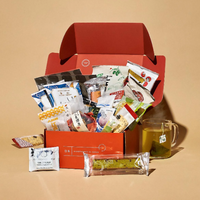
Alternatively, why not check out the Japanese mochi available at Bokksu Boutique, with deliciously adventurous flavors like white peach, black syrup and even Hokkaido Cheese? Try out a Bokksu Japanese snack box to combine your mochi snacks with perfectly paired teas and candies too!



-
Trending Posts

-


Author Bio
More from the blog
View all


