



Why Japan Loves Lucky Foods: A Guide to Good Fortune Snacks for the New Year
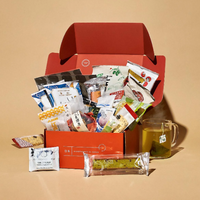
As New Year's Eve draws near in Japan, the excitement isn't just about countdowns or celebrations, it's also about the special, meaningful foods that welcome the New Year with wishes for good fortune. During Oshogatsu (New Year), families across the country enjoy dishes and treats believed to bring long life, good health, happiness, and prosperity. From the soft, chewy delight of mochi to the beautifully arranged osechi ryori, where each lacquered box tells its own symbolic story, Japanese New Year food is steeped in traditions passed through generations. For those curious to experience these customs at home, Bokksu Boutique offers curated Japanese snack boxes, bringing the flavors and spirit of Oshogatsu right to your door.
Hatsuyume Dreams: The First New Year Vision

In Japan, the first dream of the year, known as Hatsuyume, which occurs on the night between January 1st and 2nd, is believed to influence the luck and energy of the year ahead. For generations, people have looked to these early dreams for signs of good fortune. Certain symbols in these dreams are considered especially lucky, like the eggplant, which represents success because the word "nasu" sounds like the verb "to accomplish." This idea of symbolic luck pairs beautifully with the New Year’s foods, where every dish is chosen with intention. Just as a hopeful Hatsuyume can set a positive tone for the year, starting the New Year with foods associated with prosperity, achievement, and well-being is thought to invite good fortune and create a promising beginning.


Oshogatsu and the Role of Food in Japanese New Year

Oshogatsu, the Japanese New Year, is a time when food takes on special meaning. Almost every traditional dish carries a symbolic wish for the coming year, whether for longevity, prosperity, or good health. Even something as simple as long noodles is enjoyed for its symbolism, representing a long and steady life. Many of these festive foods are prepared in the days leading up to New Year’s Eve so they can last through the first three days of January, giving families a break from cooking and household chores. This allows everyone to focus on being together, and the preparation itself becomes a warm, communal ritual, with relatives gathering in the kitchen to cook, arrange, and share these special meals. When the dishes are finally enjoyed, it turns into a shared celebration of hope, togetherness, and the intention to welcome the year with joy and meaning.
Mochi: Sticky Good Luck for the Year Ahead

Mochi rice cakes hold a special place in Japanese New Year traditions, symbolizing strength, resilience, and good luck for the year ahead. One of the most iconic forms is kagami mochi, a decorative stack of two mochi topped with a bright daidai orange. It is displayed to welcome the gods of the New Year, and later, during the Kagami Biraki ritual, the mochi is broken and shared, letting everyone absorb its blessings of good fortune. Mochi also appears in ozoni, the classic Japanese New Year soup, where chewy pieces simmer in a regional-style broth with vegetables like daikon and carrots, along with slices of fish cake. The sticky texture of mochi is thought to “bind” good luck to you, making every bite a hopeful start to the year. For those who want to enjoy these traditions from afar, Bokksu’s winter snack boxes make it easy to savor traditional mochi treats and invite a little extra luck into the New Year.
Osechi-ryori: A Feast of Symbolic Dishes

Among the most cherished treasures of traditional Japanese cuisine during the New Year season is osechi ryori, the wonderfully arranged bento boxes prepared to welcome the New Year gods. Each colorful dish is carefully selected for the good fortune it brings, showcasing the bounty of land and sea. These meals are served in elegant jubako—tiered lacquer boxes that are black on the outside and red on the inside, a design meant to symbolize layers of repeating luck. The number of tiers can vary by region, but a five-tier set often follows a meaningful pattern: the top tier holds celebratory dishes and appetizers, the second features vinegar-dressed items and grilled foods, the third contains additional grilled dishes, and the fourth is filled with simmered selections. The bottom tier is traditionally left empty, inviting new blessings and fortune to enter the year ahead.
Every ingredient in osechi ryori carries a special meaning. Kuromame, or black soybeans, are enjoyed as a wish for good health and steady, diligent work in the year ahead. Kazunoko, herring roe, represents fertility and the hope for a prosperous family line, thanks to its many tiny eggs. Tazukuri, glossy candied sardines cooked in soy sauce, were once used to fertilize rice fields and now symbolize abundant harvests and prosperity. For anyone curious about experiencing the flavors and symbolism of osechi in a simple, approachable way, Bokksu offers snacks inspired by these traditions, letting you enjoy the meaning—and the magic—of Japan’s New Year customs from home.
Lucky Mochi and Sweet Treats for Good Fortune

Beyond the classic New Year dishes, Japan also celebrates the new year's season with symbolic sweets that bring families together and carry heartfelt wishes for good fortune. Favorites like anko-filled mochi offer comfort and luck through their soft, chewy texture and sweet red bean center, while kinako mochi, mochi dusted with a sweet blend of roasted soybean flour and sugar, is often enjoyed on New Year's Day as a way to invite prosperity. Elegant confections like yokan, a smooth, jelly-like sweet made from bean paste, sugar, and agar, add a refined touch to the osechi ryori spread. Even humble sweet rice crackers carry meaning, symbolizing simplicity, togetherness, and the joy of sharing treats with loved ones. Each of these sweets brings its own cultural significance, turning the act of snacking into a moment of bonding and gratitude.
Omikuji and Fortune-Influenced Foods

During Japanese New Year celebrations, the excitement and anticipation of drawing omikuji, or fortune slips, add a playful layer to the holiday. These small paper fortunes, found at Shinto shrines and Buddhist temples, are pulled from wooden boxes and offer predictions about everything from love and work to health and travel, sometimes accompanied by ancient poems that give poetic guidance for the upcoming year. This fun tradition has even inspired themed snacks and treats, from fortune-cookie-style sweets to symbolic packaged snacks that reveal encouraging messages or "lucky" charms inside. These items mix tradition with enjoyment, giving people a lighthearted way to experience the thrill of New Year luck while savoring a taste of cultural storytelling.
Street Snacks That Carry Symbolism

During the New Year period in Japan, everyday foods take on a festive, meaningful twist, whether at bustling street stalls or on the shelves of convenience stores. Comforting favorites like grilled fish and Japanese sweet potatoes are enjoyed not only for their hearty flavor but also for their symbolism of nourishment and steady prosperity in the months ahead. Seasonal tempura, often made with winter vegetables, adds a crisp, celebratory touch to holiday meals. Street vendors also offer classics like grilled dango, soft rice dumplings lightly charred over open flames, symbolizing unity and harmony as families gather for the holiday. And then there’s taiyaki, the warm, fish-shaped pastry filled with sweet red bean paste, cherished during New Year because the sea bream (tai) it mimics is considered a bringer of good luck. Together, these accessible treats reflect how deeply food is woven into Japanese culture, turning even simple snacks into small but meaningful blessings for the year to come.
Regional Variations in Good Luck Foods

Across Japan, New Year traditions become even richer when you look at the regional specialties that carry their own meanings and flavors. In the Kansai area, families often enjoy kuro-mame, glossy black soybeans simmered to perfection, believed to bring diligence, strength, and good health for the year ahead. Meanwhile, in eastern Japan, it's common to serve sekihan, a festive dish of glutinous rice steamed with red azuki beans, with the color red symbolizing protection and joy. From north to south, each region puts its own spin on lucky foods, shaped by local ingredients, climate, and history. This rich diversity not only highlights the depth of Japanese cuisine but also shows how every community has its own way of welcoming good fortune, making the New Year feel both connected and wonderfully distinct.
Modern Lucky Snacks: How Trends Merge With Tradition

In recent years, modern snack brands have found creative ways to share the spirit of Japanese New Year traditions with people around the world. Bokksu, for example, curates limited-edition collections filled with authentic, hard-to-find Japanese treats that go far beyond what you might see in department stores. These boxes capture the spirit of the season, featuring snacks inspired by good luck, longevity, and celebration, while making the experience easy to enjoy no matter where you are. It's a fresh and thoughtful way to savor the flavors of Japan's New Year foods and discover the stories and wishes for good fortune woven into every snack.
Bringing Good Fortune Home With Bokksu

Experiencing the magic of Japan’s New Year doesn’t have to mean traveling across the globe. There are simple ways to bring the charm of lucky foods into your own home. From sweet mochi and colorful osechi dishes to regional specialties, these treats can turn any meal into a celebration of health, happiness, and prosperity. Bokksu Snack Box Subscription makes it easy to explore these traditions with curated, authentic Japanese snacks inspired by New Year favorites. They are perfect for festive occasions, thoughtful gifts, or simply treating yourself. By connecting the rich symbolism of Japan’s culinary heritage with modern, convenient delivery, Bokksu lets you share the joy and meaning of these foods with family and friends, keeping tradition alive in a deliciously approachable way.



-
Trending Posts

-


Author Bio
More from the blog
View all


