



Why Japan’s Autumn Leaves Are the Ultimate Travel Experience
Welcome to Kōyō Season: Autumn’s Fiery Magic

By mid-September, as summer gives way to crisp, golden days, Japan enters one of its most anticipated seasons: the autumn foliage season. Known as kōyō, literally "red leaf," this tradition celebrates the stunning transformation of deciduous trees—from fiery red maples and golden ginkgo trees to the warm amber tones of zelkovas. Much like the cherry blossoms of spring, kōyō is a chance to pause and appreciate the fleeting beauty of nature. Woven into the fabric of Japanese autumn, it's a season of scenic trips to mountains and temples, enjoying seasonal foods, and honoring the graceful shift from one season to the next.


When to Go: Timing Your Autumn Trip for Peak Foliage
Japan's fall foliage season unfolds like a moving wave, startingin the northern island of Hokkaido in late September and gradually sweeping southward until early December. The prime time for viewing varies by region: Hokkaido enchants with fiery landscapes in early October, while the Tohoku region and the Japanese Alps reach their peak between mid October and mid November. As the colors descend into the Kanto region, cities like Tokyo shine brightest from late November to early December. In the Kansai area, Kyoto and Nara are famous for temples framed by red and gold leaves around early November to early December. Further south, in Chugoku and Kyushu, the foliage lingers until late November through early December, giving travelers extra time to enjoy the season. Since the timing shifts slightly each year, it’s best to check the official fall foliage forecast when planning your trip.
But the magic of kōyō isn’t just in the scenery—it’s in the flavors of autumn that come with it. Streets lined with golden ginkgo carpets and blazing red maples invite visitors to savor seasonal treats: pumpkin croquettes and roasted chestnuts in Hokkaido, apple-based sweets in Tohoku, and Kyoto specialties like yatsuhashi and roasted sweet potatoes. With each step through this vibrant, colorful season, Japan offers a sensory journey that’s both fleeting and unforgettable, a perfect blend of sight, taste, and atmosphere.
Kyoto’s Golden Moments: Temples, Tea, and Autumn Sweets

In Kyoto, the fall season is nothing short of magical, and two iconic spots perfect capture the city's timeless beauty. Tofuku-ji Temple in southeastern Kyoto is famed for its vibrant maple leaves, with the Tsutenkyo Bridge stretching over a valley ablaze with red and gold—a view made even more enchanting during evening illuminations on the temple grounds. In the northwestern mountains, Arashiyama transforms beyond its famous bamboo grove into a tapestry of autumn colors, with riverbanks, hillsides, and ancient temples framed by fiery leaves. Strolling through these areas with seasonal treats in hand, like maple-shaped wagashi or warm roasted sweet potatoes, makes for a sensory experience that truly embodies the heart of Japanese autumn.
Tokyo’s Autumn Escapes: Urban Nature Meets Modern Munchies

Starting in late October, Tokyo’s autumn leaf viewing season begins with a gentle shift in the weather and the first hints of yellow leaves from ginkgo trees. One of the city’s most famous spots is Rikugien Garden, often hailed as a masterpiece of landscape design. Inspired by classical poetry, Rikugien comes alive in a stunning display of red leaves and golden hues, as countless maple trees set the garden ablaze with autumn colours.
For those seeking a nature escape beyond the city, Mt. Takao, less than an hour from central Tokyo, offers crisp mountain air, sweeping vistas, and a sacred atmosphere. Throughout November, the Mount Takao Autumn Leaves Festival adds to the experience with traditional performances and local food stalls. Pairing these outings with seasonal snacks, from crunchy caramel-coated senbei to indulgent matcha treats, makes the season even more memorable. Together, Tokyo’s landscapes and flavors offer a perfect way to savor the beauty and taste of autumn, even amid the bustle of the city.
Nikko’s Nature Show: Shrines, Rivers, and Rich Flavors

Nestled in the mountains of Tochigi Prefecture, Nikko is one of Japan’s most breathtaking autumn destinations. The city is home to a remarkable UNESCO World Heritage Site, where over 100 historic buildings, including the Toshogu Shrine, the Rinnoji Temple, and the sacred Futarasan Shrine, are set against a backdrop of spectacular autumn colors. Beyond the religious complex, Nikko’s surrounding national parks offer vast landscapes of waterfalls, lakes, and mountain trails, making it a favorite retreat for travelers who want to experience both cultural heritage and nature’s seasonal beauty.
Of course, a visit to Nikko wouldn’t be complete without sampling its bold-flavored local snacks that perfectly complement the crisp autumn air. Black sesame mochi, with its chewy texture and nutty, slightly smoky sweetness, is a local favorite that pairs beautifully with tea during a break from sightseeing. For something savory, yuba chips, made from delicate tofu skin, is a Nikko specialty that offers a light yet satisfying crunch. Between the rich history, vibrant landscapes, and flavorful treats, Nikko becomes an unforgettable destination in the heart of fall.
Snack Like a Local: Regional Autumn Treats to Try

Autumn in Japan is as much about flavor as it is about scenery. In Kumamoto, locals celebrate their prized chestnuts with chestnut yokan, a smooth confection made from chestnut paste and agar that captures the richness of the season. Up north in Aomori, Japan’s top apple-growing region, apple pies showcase the crisp sweetness of fruit from orchards that produce more than half of the country’s harvest. Both treats reflect how deeply food and Japanese culture are tied to local traditions and bounty of each season.
With Bokksu’s carefully curated boxes, you can enjoy these seasonal flavors along with other artisanal treats from anywhere.The Nakajima Taishodo Gift Box combines Japanese tradition with Western-style patisserie, featuring black sesame cookies, sweet potato galettes, and chestnut cakes. Meanwhile, the Japanese Fruits Gummy Box showcases ten varieties from across the country, including the famous Aomori Sekaiichi Apple Gummy. Bokksu makes it easy to experience the tastes of the season from home while celebrating the diverse flavors that define Japan.
Fall Flavors in Every Bite: What Makes Autumn Snacks Special
As the weather cools and autumn settles over Japan, the season’s harvest brings some of its most beloved flavors to the table. Kuri (chestnuts) are celebrated for their naturally sweet, fluffy texture and appear in everything from traditional kuri manju and chestnut rice to modern chestnut cakes and parfaits. Satsumaimo (Japanese sweet potato), with its purple-red skin and golden flesh, grows sweeter when roasted, filling the air with comforting aromas and making it a favorite street snack. Meanwhile, kabocha (Japanese pumpkin) adds earthy sweetness to soups, tempura, and hearty stews, with its tender skin softening enough to be enjoyed along with the flesh. What makes these ingredients so special is how seamlessly they appear in both timeless recipes and contemporary treats, embodying the heart of Japanese autumn and nourishing both body and spirit as the season turns.
The Art of Gifting: Autumn Treats as Seasonal Omiyage

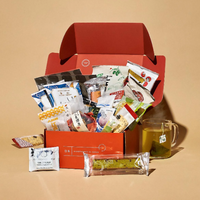
In Japan, autumn is a season that combines the beauty of fall colors with the warmth of hospitality and the spirit of giving. Rooted in Japanese culture, this time of year is often marked by exchanging seasonal treats as a way to show gratitude and strengthen bonds with friends and family. The Bokksu Snack Box captures this tradition perfectly, offering a curated selection of artisanal Japanese snacks that celebrate the flavors of autumn—from chestnut sweets to sweet potato delights. Thoughtfully packaged and full of seasonal charm, it makes a meaningful gift that allows loved ones to enjoy both the flavors and traditions of Japan’s most colorful season.
Pairing Snacks with Moments: Tea, Walks, and Cozy Nights In
Autumn in Japan is the perfect season to slow down and savor simple pleasures, and pairing snacks with autumn activities makes the experience even more memorable. After a hike at one of your favorite places, there’s nothing more comforting than enjoying a warm cup of green tea alongside a soft chestnut manju, its subtle sweetness echoing the flavors of the season. On quieter days, cozying up at home with a handful of crispy kuri (chestnut) snacks brings the warmth of autumn indoors, turning an ordinary afternoon into a moment of seasonal indulgence. These little rituals highlight how food and atmosphere come together to define the spirit of Japanese autumn.
Bring Autumn Colors Home with Bokksu

Whether you’re dreaming of an autumn trip to Japan or simply want to bring the season’s magic home, a Bokksu Snack Box Subscription lets you taste the flavors of fall without leaving your doorstep. With curated boxes featuring regional specialties and seasonal treats, you can experience the warmth, beauty, and traditions of Japanese autumn wherever you are. It’s the perfect way to share the season with friends and family or enjoy a cozy moment for yourself.
Feel the magic of autumn come alive with Blazing Maple Hills, Bokksu’s seasonal snack box inspired by Japan’s most breathtaking fall landscapes. Just as scarlet maples and golden ginkgo blanket the hillsides, this curated box is filled with comforting flavors that capture the warmth, wonder, and fleeting beauty of the season. From October 1–31, Bokksu Snack Box is celebrating with a special Free Box GWP Campaign. New subscribers can enjoy extra gifts: 6-month plans include 1 free box, while 12-month plans include 2 free boxes as a special welcome. Existing subscribers can join in, too—1-month and 3-month subscribers can upgrade to longer plans, and 6-month or 12-month subscribers who purchased within the last 3 months can extend their plan to claim their free boxes. Simply use code BLAZINGGIFT to redeem. Start planning your autumn indulgence today and let Bokksu guide you through the rich flavors of Japan’s fall.



-
Trending Posts

-


Author Bio
More from the blog
View all


