



Winter-Only Japanese Confectionery You’ll Only Find in January
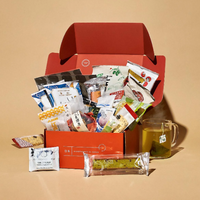
January in Japan is a magical time for lovers of Japanese confectionery. As winter settles in and New Year celebrations fill the air, seasonal sweets and delicate wagashi take center stage. Local artisans craft limited-edition treats that capture the cozy spirit of the season—from flavors inspired by winter harvests to confections meant to bring good luck for the year ahead. That’s exactly what Bokksu’s Little Fortunes Collection celebrates: small, beautifully made snacks with big meaning. And with the exclusive flash sale for app users, it’s easier than ever to enjoy these once-a-year Japanese confectionery delights from home. Just a few taps, and you can savor the same January treats that people in Japan look forward to all winter.
Why January Is the Peak Season for Japanese Seasonal Sweets

January is the peak season for Japanese seasonal sweets, and you can feel it everywhere. As families celebrate the New Year and visit shrines for their first prayers, winter-only confections start appearing in shops and markets across the country. It’s the month for cozy classics like oshiruko, a sweet red bean soup with soft mochi, and for dessert shops to showcase limited-edition treats made with seasonal fruits, from juicy strawberries to bright, citrusy mikan. These special treats carry extra meaning in January. They’re thought to bring good luck, celebrate fresh beginnings, and highlight ingredients that truly shine in the coldest months. Savoring them is more than just enjoying a dessert; it’s a way to welcome the new year, embrace the season, and connect with the traditions that make January in Japan feel so magical.


Traditional Wagashi Winter Treats You Can Only Taste in January

Some of Japan’s most beloved traditional sweets appear only at the start of the year, each carrying its own texture, story, and symbolism. One favorite is chestnut manju, a cozy winter treat made with rich chestnut paste, often blended with smooth white bean paste, and wrapped in soft, tender dough. Gently baked or steamed until golden, it offers a comforting, mellow sweetness and a delightfully soft texture. Another seasonal highlight is daifuku, small round mochi stuffed with sweet bean paste filling made from boiled azuki beans. These chewy cakes have a subtle sweetness with earthy, nutty undertones, making them a classic treat for welcoming the new year.
As wagashi continues to evolve with seasonal ingredients, January becomes a showcase of flavors that perfectly match the calm, wintry mood. The classic daifuku remains a staple, filled with sweet red bean paste, but the season also brings refreshing twists. Varieties like yuzu daifuku highlight the bright, tangy zest of the citrus fruit, blending beautifully with the gentle sweetness of mochi, while fan-favorite strawberry daifuku offers a juicy burst of flavor. Together, these treats create balanced, comforting bites that awaken the senses on chilly January days. Enjoying them in January is a way to taste the season, savor the artistry behind wagashi, and embrace the fresh beginnings and hopeful energy of the new year.
Limited Edition Mochi and Sweet Snacks in January

Winter in Japan is prime time for limited-edition mochi and winter sweets, each showcasing regional flavors, local craftsmanship, and the comforting appeal of glutinous rice cake and rice flour. Winter varieties often highlight a satisfying chewy texture, from simple classics to beautifully layered confections. One popular classic is yaki mochi, plain mochi grilled or pan-fried until crisp and golden on the outside while staying soft and stretchy inside, almost like a lightly toasted marshmallow. Because its base is unsweetened, it pairs perfectly with toppings such as brown sugar syrup, fragrant kinako, or even a wrap of dried seaweed. Another elegant winter specialty is mochi sudare, featuring soft white bean mochi topped with clear kanten jelly and finished with a slice of yokan, creating a delicate balance of sweetness and texture. These seasonal snacks show how Japanese desserts evolve with the colder months, blending tradition with creativity, and making January an especially exciting time for mochi lovers.
Regional Seasonal Confections Across Japan

January is one of the best times to discover Japanese traditional sweets, as various regions offer winter treats you can't find anywhere else. In Hokkaido, for instance, many confections feature the haskap berry, an intensely tangy and sweet fruit known locally as the "jewel of Hokkaido." Whether folded into roll cakes, turned into bright jams, or crafted into soft gummies, haskap adds an exquisite taste that reflects both the region’s cold climate and its bold, distinctive flavors.
Kyoto offers a completely different winter sweet experience, with historic specialties that have been enjoyed for generations. One favorite is aburi mochi—bite-sized rice cakes grilled over charcoal and brushed with a mild white miso glaze, then dusted with soybean flour, traditionally eaten to bring good health. The city is also famous for hanabira mochi, a delicate New Year wagashi made from thin, pale-pink mochi wrapped around white bean paste blended with white miso and a strip of candied burdock root.
Meanwhile, in Kanazawa, winter sweets take on an artistic flair. Rakugan, delicately sculpted candies made from fine wasanbon sugar, and nerikiri, intricate wagashi shaped from smooth white bean paste into seasonal flowers and motifs, showcase the region’s craftsmanship. Sampling these local treats turns a journey through Japanese desserts into a true sensory experience, revealing how each area expresses the season through flavor, artistry, and tradition.
Sweet Festival Foods: Traditional Japanese Sweets and Seasonal Street Snacks

Winter festival season in Japan opens up a world of fresh, seasonal sweets. These treats are deeply connected to local celebrations, cultural traditions, and the excitement of limited-edition candy trends. One classic is saka manju, soft steamed buns made with sakadane, a natural yeast mash used in sake brewing, giving the buns a subtly boozy aroma and a pleasantly chewy texture that feels perfect for cold-weather festivities. Festival stalls also feature favorites like strawberry daifuku, where a juicy strawberry is wrapped in smooth red bean paste and encased in tender mochi, creating a perfect balance of tart, sweet, and soft. Another traditional winter delight is tsubaki mochi (camellia mochi), made from coarsely ground glutinous rice mixed with sugar, filled with sweet red bean paste, and nestled between thick, glossy camellia leaves for a beautiful seasonal presentation. Together, these once-a-year confections capture the spirit of winter festivals, showing how Japanese desserts are deeply tied to cultural rituals, community gatherings, and the ever-evolving excitement of limited-edition winter sweets.
Modern Twists on Winter Wagashi

Japanese confectionery is embracing exciting modern twists, bringing unique flavors and creative textures that thrill adventurous food lovers. Confectioners are reimagining traditional sweets by combining classic techniques with innovative ideas, often adding Western-inspired elements like chocolate, caramel, custard cream, or whipped cream to wagashi bases such as mochi. One example is soft sponge cake filled with custard or whipped cream, sometimes layered with sweet fillings inspired by red bean paste or seasonal fruits. Chocolate wagashi adds a rich, contemporary flair, while packaged treats showcase the latest trends in flavor and design—from chestnut- and yuzu-infused snacks to bite-sized desserts perfect for enjoying at home. These inventive creations show how Japanese sweets continue to evolve, balancing artistry, seasonality, and playful experimentation to deliver an unforgettable tasting experience.
Tips for Enjoying Japanese Seasonal Desserts in Winter

To truly enjoy Japanese sweets, it helps to approach them with more than just your taste buds. Pairing, storage, and mindful eating all enhance the experience. Many seasonal confections and wagashi shine when enjoyed with green tea, whose gentle bitterness balances the sweetness and brings out subtle flavors. Storage matters too. Some treats have long shelf life, while fresh mochi and cream-filled sweets are best enjoyed the same day or kept refrigerated to preserve their texture and flavor. Taking small, thoughtful bites, appreciating the aroma, and savoring the craftsmanship behind each piece transforms a simple snack into a moment of Japanese culinary tradition. Following these tips ensures every bite is as delightful as the artistry that went into making it.
Bring Japan’s January-Only Confections Home with Bokksu

Bokksu’s Little Fortunes Collection is the perfect way to ring in the New Year with a taste of Japan. This exclusive January lineup features limited-edition flavors and festive treats inspired by traditional celebrations, from delicate wagashi to sweet fillings that capture the season’s warm and uplifting spirit. Each snack is carefully crafted to showcase the artistry and charm of Japanese confectionery, turning every bite into a tiny celebration. Even better, app users can enjoy a special flash sale, giving them a rare chance to try these once-a-year treats at home before they disappear.
Cultural Significance of Winter Wagashi

Winter wagashi hold a special place in Japanese culture, reflecting history, artistry, and the deep respect Japanese people have for the changing seasons. These seasonal treats are carefully made to highlight winter’s unique ingredients, from chestnuts and yuzu to red beans and mochi, chosen not only for their flavor but also for their symbolic meaning. Many wagashi are tied to New Year traditions or local festivals, representing good fortune, health, and fresh beginnings. Beyond taste, their delicate shapes, colors, and textures showcase the skill and care behind each piece, allowing everyone to experience the beauty of nature and the rhythm of the seasons through food. Every bite of winter wagashi tells a story of cultural heritage and the timeless ritual of savoring seasonal change.
Discover the Hottest Winter Snack Trends in Japan

From spring’s graceful sakura mochi and pink cherry blossoms to the rich, comforting flavors of winter wagashi, Japanese desserts beautifully evolve with the seasons. They offer limited-edition flavors, regional specialties, and creative twists that blend tradition with modern trends. Seasonal confections and Japanese candy trends are more popular than ever, giving food lovers endless chances to explore, taste, and even collect these stunning treats. For those who want to experience a variety of Japan’s finest sweets from home, the Bokksu Snack Box Subscription is the perfect way to dive in. Each box is thoughtfully curated with exclusive seasonal snacks, including rare and limited-edition goodies, letting you enjoy the artistry and flavors of Japan all year long. Whether you’re a longtime wagashi fan or just discovering Japanese desserts, there’s never been a better time to savor the sweet, seasonal delights Japan has to offer.



-
Trending Posts

-


Author Bio
More from the blog
View all


