



Winter Street Food in Japan You Can’t Miss: Beyond Takoyaki
When it comes to Japanese street food, winter brings some of the best options. From December to February, the street food scene in cities like Tokyo, Osaka, and Sapporo features comforting regional snacks, seasonal specialties, and festive treats.
This post details everything you need to know about exploring Japanese street food in winter. We’ll reveal local specialties and regional flavors while providing tips for a food tour. For those who can’t visit Japan, Bokksu’s curated snack boxes bring these flavors home!
Why Winter Makes Japanese Street Food Extra Special

As temperatures drop and the weather in Japan turns cold, the street food culture transforms. Many Japanese people abandon light and refreshing desserts and turn to hot, steamy, and hearty meals. Street stalls and food markets begin to offer a mix of hot pot dishes, grilled snacks, spicy noodles, savory seafood, and citrusy flavors. Their offerings also feature seasonal winter ingredients from recent harvests of fruits and vegetables. The vibrant atmosphere of popular winter festivals adds to the appeal of these street stalls and markets, drawing locals and travelers.
Every Japanese city has its local specialty dishes and treats. Let’s explore some sensational options you should definitely try!


Tokyo’s Winter Snacks: From Oden to Sweet Treats

In Tokyo, the best spots to enjoy street food are in the Asakusa district, Tsukiji Market, Ginza shopping area, and Harajuku area. Those locations boast countless specialty restaurants that are known for serving specific winter dishes.
Hot Pot Dishes
You can stop by one of the nabe (hot pot) restaurants to enjoy a pot of simmering broth, meats, and vegetables. Oden restaurants are also available. There, you’ll find a traditional one-pot dish containing a mix of ingredients simmered in a dashi broth. Some eateries also offer shabu-shabu.
Winter Confections
The streets of Tokyo feature all kinds of vendors that sell winter treats. Yaki-imo (roasted sweet potato) trucks are fully active in the colder months. They pass by the streets playing loud, nostalgic tunes that attract both young and old. Some street food vendors operate confection shops where they offer taiyaki, a fish-shaped cake filled with sweet red bean paste (anko). Many others sell grilled versions of Japanese rice cakes known as yaki-mochi, providing unique warmth for the winter. Tokyo is also home to confection houses and convenience stores where you can go to enjoy the warmth of green teas or sweet red bean soups, such as zenzai (or oshiruko).
Osaka Street Food in January: Beyond Takoyaki

Osaka, home to regional flavors and specialties, is a must-visit for lovers of delicious food with cultural significance. Takoyaki is probably the most popular Japanese street food in Osaka because it originated from there. It consists of wheat flour-based batter seasoned with dashi and filled with savory ingredients. In Osaka, the most common filling for takoyaki is pieces of octopus meat. The people there love to enjoy their grilled octopus balls hot and fresh! Variations to the classic include versions with fillings of creamy melted cheese, savory shrimp, healthy veggies, spicy cod roe, bonito flakes, daikon radish, fish cakes, or sweet chocolate.
Other Local Specialties
Another famous Osakan winter dish is kushikatsu, or deep-fried skewers. Street vendors make it by skewering pieces of meat, seafood, vegetables, or sweets. Next, they dip them in light batter, coat them in breadcrumbs, and deep-fry them. The result is a golden-brown snack with an extra crispy texture. Although kushikatsu may have originated in Tokyo, Osakans have claimed it, which is clear from the abundance of specialty shops serving the dish in the city.
Negiyaki and okonomiyaki are two other Osaka specialties. Both are savory pancakes, but green onion is the primary ingredient in negiyaki, while okonomiyaki contains cabbage instead.
Many restaurants also offer seasonal seafood caught fresh from the nearby waters. In winter, the best options are pufferfish and crab.
Northern Flavors: Sapporo and Hokkaido Winter Treats

Hokkaido, Japan’s northernmost island, experiences much lower temperatures than other regions. It’s also home to some of the biggest winter festivals in the country. So, it makes sense that tourists can find a wide range of comforting street snacks in Sapporo, Asahikawa, Hakodate, and other popular areas on the island.
Hokkaido Winter Foods
Hokkaido is Japan’s milk capital; hence, many of its iconic treats are dairy-based. Hokkaido butter ramen is commonly eaten in winter. This dish features a miso broth enriched with sweet corn and fresh butter for added warmth and depth. Other popular seasonal snacks on the island are strawberry chocolate, spicy soup curry, and grilled skewers. The main regional flavors range from seafood like cod, urchin, oyster, snow crab, and herring to meats like jingisukan (a grilled mutton and lamb dish) and Wagyu beef.
Impact of Winter Festivals
Snow and winter festivals shape the street food experience, particularly in Sapporo. In the midst of all the snow sculptures, flashy lights, and skate rinks, you’ll find food stalls selling grilled thinly sliced beef, takoyaki, taiyaki, onigiri (rice balls), and soft serve.
Sweet Winter Street Snacks Across Japan

Let’s explore sweet options available throughout the country.
-
Dorayaki: a pancake sandwich made from two patties filled with sweet azuki bean paste.
-
Mitarashi dango: sweet rice dumplings coated with soy sauce glaze and skewered on small sticks. They are also known as mochi skewers.
-
Castella cake: a fluffy and bouncy Japanese sponge cake. It’s one of many wagashi influenced by both Western and Japanese cuisine.
-
Daifuku mochi: a wagashi consisting of round mochi mixed with sugar and stuffed with a sweet filling. Winter versions found in Bokksu Snack Box often feature seasonal flavors like yuzu, sweetened chestnut, and strawberry.
-
Japanese cheesecake: a light, soufflé-style cheesecake with a fluffy texture and rich flavor.
Street Food at Winter Festivals

Winter festivals offer exclusive street snacks, connecting food with Japanese culture and celebration. During these events, long rows of cart-like food stalls line the streets. They are called yatai, and you’ll find them at snow festivals and local temple fairs.
Regional ingredients on display often reflect the location of the festival. The Sapporo Snow Festival is a perfect example. It features a wide range of delicacies, from classic treats like takoyaki to local Japanese dishes such as jingisukan. Other popular winter festivals with regional specialties are the Yokote Kamakura Festival (Akita Prefecture), the Hakkoda Snow Festival (Aomori Prefecture), and the Zao Juhyo Festival (Yamagata Prefecture).
Regional Japanese Foods You Can’t Find Anywhere Else

In this section, we highlight unique, extremely localized winter treats from different cities. Each one reflects the local ingredients and traditions of its geographical area. Let’s dive in!
-
Igamenchi (Hirosaki): a deep-fried patty made from a mixture of minced squid tentacles and vegetables. The dish is extremely difficult to find outside of Hirosaki.
-
Kabura-zushi (Kanazawa): a winter sushi dish featuring seafood (yellowtail or mackerel), salted turnips, and rice malt. It does not use vinegared rice like regular sushi dishes.
-
Tamasen (Nagoya): a year-round festival snack made by sandwiching fried eggs and cooked buckwheat noodles between two savory senbei crackers. This shrimp-flavored treat started off as a children’s snack in the 1950s.
-
Yudofu (Kyoto): a vegan dish of tofu simmered in kelp broth. You can enjoy it with dipping sauce.
-
Hakata ramen (Fukuoka): a noodle dish that features rich, creamy broth made from pork bone (tonkotsu). It’s a thinner and firmer version of the classic tonkotsu ramen.
Tips for Touring Street Food in Japan in Winter

You need to know a few tips before your next trip. Here is some practical advice to help you explore Japan’s street food offerings, especially in cold conditions:
-
Wear multiple layers of clothing. We recommend a base layer, mid-layers, and an outer layer (jacket).
-
Shop at the local food market to uncover authentic natural flavors and hidden gems.
-
Although most businesses in Japan accept electronic money, some restaurants in rural areas operate only on cash. Hence, it makes sense to carry a little cash with you.
-
According to Japanese etiquette, you shouldn’t eat while walking. Yatai usually have designated areas for eating.
-
Go in small groups, as most stalls don’t have enough seats for more than 10 people.
-
Never litter. Take a plastic bag and use it to collect your trash.
-
Make your restaurant reservations in advance to avoid long lines or being turned away.
-
You don’t need to tip after eating in a Japanese restaurant, as it’s generally frowned upon.
Bringing Japanese Street Food Home with Bokksu

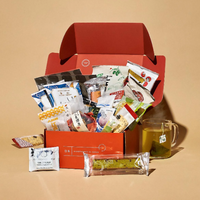
If you want to enjoy curated Japanese winter foods at home, look no further than the Bokksu Snack Box. We connect authentic flavors with cultural storytelling through our monthly themed boxes filled with Japanese snacks and treats. You get to experience all kinds of street wagashi, including mochi and castella cakes. Our crispy snacks also feature iconic street food flavors such as shrimp, corn butter, Japanese curry, and miso soup.
Why Japanese Winter Street Food Is Unforgettable

Smoky, savory, sweet, and warming, winter street food offers a unique sensory appeal loved by millions around the world. This holiday, we urge you to explore them physically in Japan or virtually through Bokksu’s curated selections. Subscribe to the Bokksu Snack Box today and start enjoying unforgettable flavors.



-
Trending Posts

-


Author Bio
More from the blog
View all


