



Atami Sakura vs Tokyo Sakura: What’s the Difference?
Did you know that cherry blossoms can appear in winter—long before Hanami season? Knowing the difference between cherry blossoms in Atami and those in Tokyo can help you plan your trip to Japan.
This post reviews the differences between two popular types of short-lived flowers: Atami Sakura and Tokyo Sakura. Get ready to learn their blooming times, viewing experiences, aesthetics, and more.
Why People Compare Atami Sakura and Tokyo Sakura

Cherry blossom viewing is arguably the most popular tourist activity during the first quarter of the Japanese calendar, especially in Tokyo. During that period, cherry trees blossom throughout the country. However, the sakura (the Japanese word for “cherry blossoms”) that are native to the seaside city of Atami, Shizuoka Prefecture, receive special attention due to their unique bloom periods and other traits. As a result, travelers, especially first-time visitors, often debate between Atami vs. Tokyo travel for flower viewing.
There are logical reasons for the comparison. Knowing the difference between the two could help you make better travel plans because they don’t start blooming in the same period. Their aesthetics are also distinct, which makes for contrasting viewing experiences. Since both types of sakura are in different locations, you may also want to weigh associated costs, crowd levels, and personal convenience.


When Atami Sakura Blooms vs Tokyo Sakura

Cherry blossoms in Japan start to bloom from the south and continue to do so towards the direction of Northern Japan. One of the earliest cities to experience sakura blossoms is Atami, a resort town located on the Pacific coast of Shizuoka Prefecture. There, a local, early-blooming variety of cherry trees known as Atamizakura thrives. They are the earliest types of sakura to bloom on Japan’s main island, Honshu.
Atami sakura usually blooms from early January to early February. Most of the flowers reach full bloom in late January, which is the perfect period to view them. The bloom period for Atami sakura lasts for a month. Tokyo, another city on Honshu, has cherry trees that bloom much later in the year. Tokyo sakura’s blooming period is early March to late April. Peak blooms often appear in late March to early April and last for about two weeks. A few flowers may bloom in mid-April.
If you prefer to see regular sakura, you should be planning your trip in spring, like most tourists would. But if you find early sakura more exciting, you should make winter travel plans and land in Atami about two months before hanami (cherry blossom festival) season.
Early vs Regular Sakura Cherry Trees: What’s the Botanical Difference
The early sakura in Atami are a variety called Atami-sakura. They are related to Kanhi-sakura, another sakura variant with an early blooming period. The petals of the Atami-sakura have a bright pink color.
Tokyo boasts a wider variety of regular blooming flowers. The most common type is the standard Somei Yoshino (or Yoshino cherry), which comes from a tree native to Japan and has five petals. Somei Yoshino was first cultivated in Toshima, Tokyo, in the Edo period (1603–1868). There are many other sakura varieties in Tokyo’s famous spots. They include wild blossoms like Yamazakura; fluffy-flowered Kikuzakura (chrysanthemum cherry) with more than five petals; and special cultivars with drooping branches, like shidarezakura (weeping cherry trees).
The Viewing Experience: Quiet Winter Walks vs Spring Crowds

Petals, colors, and blooming times are not the only differences between Atami's and Tokyo's sakuras. Their viewing experiences are also distinct due to several factors, including crowd level, atmosphere, and weather. Atami’s offers a calm, off-season charm largely because it happens in winter. At that time, tourists and locals gravitate towards other outdoor activities, such as skiing and snow festivals, leading to fewer crowds at sakura spots. Atami's winter weather can be chilly, with nighttime temperatures reaching as low as 37°F in January. You should also expect heavy sea breezes throughout the day.
Tokyo's cherry blossom experience features a lively but crowded spring scene. You’ll be arriving in peak tourist season, so expect a noisy atmosphere, especially in popular hanami spots. Spring weather in Tokyo is generally mild and pleasant. The temperature ranges from 48°F to 73°F, but evenings are usually cool. Also, there’s a slight chance of rainfall on some days.
Best Sakura Spots in Atami Compared to Tokyo Parks

To help you visualize the experience of sakura viewing in both cities, we’ll compare top locations in Atami to similar spots in Tokyo.
-
Itokawa Promenade vs. Meguro River: The Itokawa Promenade is a riverside pathway lined with 58 Atami-sakura trees. It’s one of the busiest Atami sakura spots in winter. The branches of the cherry trees form a pink canopy over the river. In the evening, the cherry blossoms of the promenade are illuminated. Tokyo’s Meguro River has a similar pathway lined with hundreds of cherry blossoms. It also allows tourists to enjoy sakura while they leisurely stroll and features illuminated flowers. However, the Meguro River is more vibrant, with lots of bars, food stalls, and eateries along the path.
-
Atami Plum Garden vs. Shinjuku Gyoen National Garden: Close to the entrance of the Atami Plum Garden lies a row of nearly two dozen Atami-sakura trees. The collection there is way more scattered than what you can find at Shinjuku Gyoen in Tokyo. The European-style gardens have open lawns adorned with sakura trees. Over 400 of those trees are Somei Yoshino.
-
Shikinomichi vs. Omotesando Trail: The Shikinomichi walking trail features many great cherry trees that bloom in winter. These trees bring a calm atmosphere to the trail, making it perfect for long, quiet walks. Tokyo has a similar trail called the Omotesando Trail, which leads to Mount Takao. Like Shikinomichi, this trail is perfect for sakura hikes.
-
Nagisako Park vs. Ueno Park: Nagisako Park is a waterfront playground with just over a dozen cherry trees. It’s neither as large nor as vibrant as Ueno Park, one of the best sakura spots in the country. This city park also has over a thousand large cherry trees on its grounds.
Which Destination Is Better for First-Time Japan Travelers

If you’ve never visited Japan but would love to get your first sakura viewing experience this year, you have two options. You need to decide if you should visit Atami in winter or Tokyo in spring. If you choose Atami, you may have to contend with dry weather, snowfall, and lots of barren vegetation. However, there are fewer crowds in sightseeing spots. Atami does not have half as many accommodation options as Tokyo. In fact, you may have to book a hotel in Tokyo and take day trips to Atami. The major sakura spots are a few minutes' walk away from Atami Station. You shouldn’t have a problem booking hotels close to your travel date in January or mid-February.
If you choose Tokyo, you’ll probably enjoy the mild weather. However, early March to May is Japan's busiest travel season. There are people everywhere, and you would have to reserve accommodation well in advance. It’s a fast-paced period that can overwhelm first-timers with no one to guide them. But it can also expose newbies to Japanese culture, traditional performances, and how locals celebrate the official flower for spring. Most of the popular spots are next to train stations, and you can reach them easily from your hotel.
-
Choose Atami sakura if you want to escape the crowd, enjoy quiet walks, and don’t mind dull landscapes.
-
Choose Tokyo sakura if you prefer lush, natural flowers and don’t mind the noise or crowd.
Photography and Aesthetic Differences Between the Two Cherry Blossom Seasons

Let’s help you capture the transient beauty. The following are the different elements that could impact cherry blossom photos in winter and spring.
-
Blossom aesthetics: The blossoms of Atami-zakura trees are a little bare and do not cover their branches with a carpet of light pink petals as Somei Yoshino's pale pink blossoms tend to do. However, Atami-zakura is brighter.
-
Lighting: Winter lighting creates a soft and moody quality that’s perfect for silhouettes. The spring season in Japan is brighter, warmer, and more vibrant.
-
Crowd levels: There’s less chance of other people ruining your shot in the winter.
-
Seasonal scenery: Winter features a monochromatic landscape with snow, ice, and bare trees, creating a serene atmosphere. In contrast, spring is characterized by vibrant growth, different kinds of blossoming flowers, and budding green leaves.
Cost, Crowds, and Convenience Associated with Viewing Cherry Blossoms in Japan

Consider transport costs, hotel availability, and crowd density to decide which sakura experience best fits your budget and travel style. Accommodation rates often increase during the spring season because it's the peak period for traveling in Japan. Hotel availability also decreases in that period. Hence, viewing Atami's sakura is cheaper and more convenient.
Cherry Blossom Travel Tips for Choosing the Right Sakura Season

Here are actionable cherry blossom travel tips that can improve your experience:
-
Monitor weather forecasts and dress accordingly (e.g, breathable clothes in warmer weather)
-
Bring a picnic blanket
-
If you’re staying in Tokyo, secure hotels and flights months in advance
-
Consider a Japan Rail (JR) Pass for traveling between cities
-
Avoid weekends, and explore Japan on weekdays for a better experience
-
Take cherry blossom trips early in the morning to leave ample time for other adventures
-
Check the cherry blossom forecast often to see the location and timing of peak blooms
-
Enjoy sakura mochi and other traditional treats during the festive period
Bringing Sakura Tea Time Home

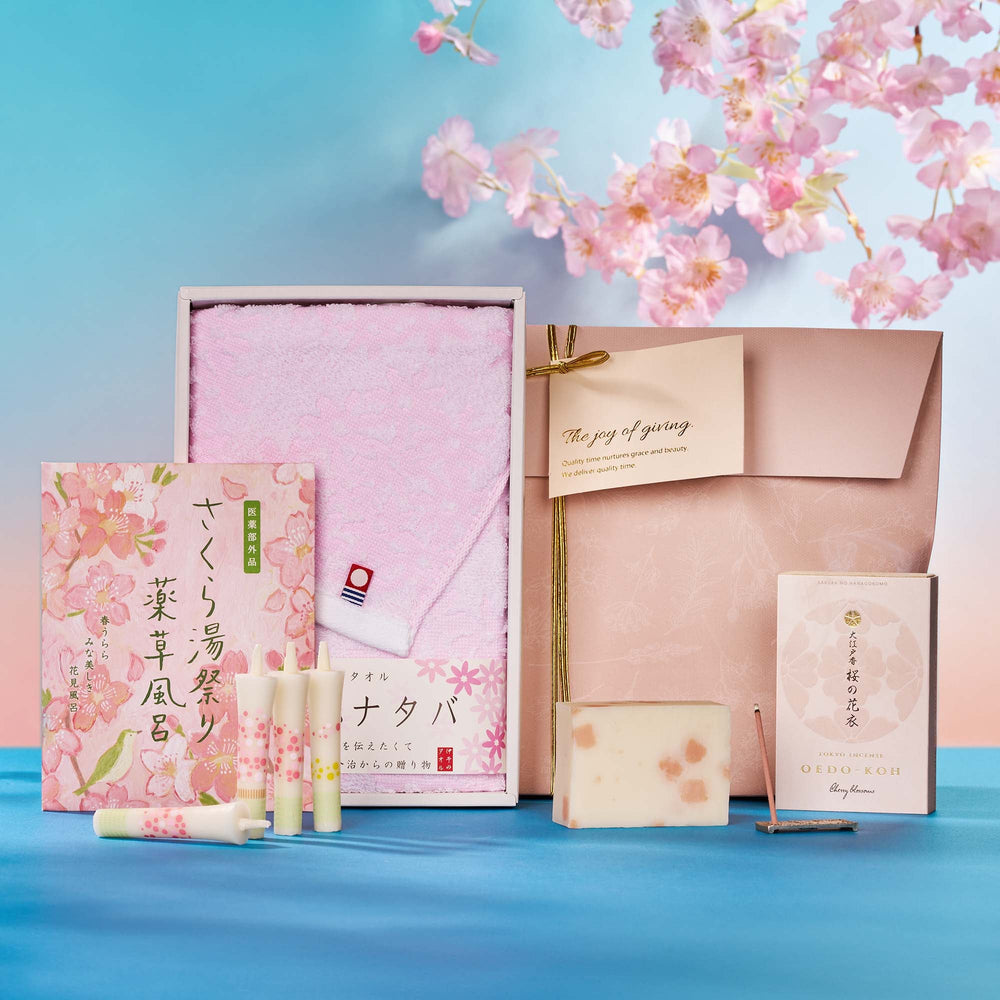
Whether you visit Atami, Tokyo, or neither, you don’t have to wait to experience Japanese sakura culture. Enjoy cherry blossom season at home with sakura-inspired snacks and gifts from Bokksu Boutique. We offer a large collection of exotic snacks and gifts from Japan, including high-quality Japanese green tea flavored with cherry blossoms. Shop now to enjoy the luxurious taste and floral scent of sakura tea time like a local.



-
Trending Posts

-


Author Bio
More from the blog
View all


