



What Is Sakura Mochi? History, Ingredients & Meaning
Sakura mochi is Japan’s traditional springtime treat. Made with pink, chewy glutinous rice balls and wrapped in pickled cherry blossom leaves, this seasonal wagashi is embedded in Japanese culture. Discover everything about sakura mochi, including its ingredients, varieties, and symbolic meaning.
What Is Sakura Mochi?

Sakura mochi is a traditional Japanese sweet (wagashi) made of a pink glutinous rice cake filled with sweet red bean paste (anko) and wrapped in a pickled cherry blossom leaf. It symbolizes spring and is a popular, delicate snack enjoyed in Japan during cherry blossom season (from March to April). It’s also one of the most beloved types of "mochi," the general term for steamed glutinous rice cake.
Sakura mochi was invented in the Edo period (1603-1868) by a temple’s gatekeeper named Yamamoto Shinroku. He pickled sakura leaves in salt and wrapped them around rice cakes. The snack gained popularity after that and became the most popular type of Japanese mochi every spring season. The pink color of sakura mochi comes from red food coloring. Confectioners deliberately give it that color to visually represent the cherry blossom flower, which is the symbol of spring. As a traditional Japanese spring sweet, sakura mochi is associated with hanami (cherry blossom viewing) and Hinamatsuri (Girl’s Day).


What Does Sakura Mochi Taste Like?

Sakura mochi is mildly sweet and a little salty. Its sweetness comes from anko, a paste made by boiling and mashing red adzuki beans. The Japanese pink rice cake gets its light savory contrast from the salt-pickled sakura leaf, which balances its flavors and gives it a floral aroma. Sakura mochi has a soft and chewy texture. However, the core ingredients used in its preparation can affect its mouthfeel. Kansai-style versions are slightly grainy, while Kanto-style sakura mochi tends to be smooth.
There are several other sakura-infused confections with similar profiles. Examples are sakura chocolate, sakura senbei, and sakura daifuku. People love to compare the taste and texture of sakura mochi to daifuku, another type of Japanese wagashi made by stuffing rice cakes with sweet fillings like anko. However, daifuku is softer, fully enclosed, and not seasonal. Sakura mochi is more aromatic, and unlike daifuku, it’s tied specifically to spring wagashi traditions.
Sakura Mochi Ingredients Explained

The three core components of sakura mochi are sweet rice, anko, and pickled cherry blossom leaf. We’ll explain each one in detail.
Sweet Rice (Mochigome or Domyojiko)

Mochigome, also known as Japanese short-grain glutinous rice or mochi rice, is the main ingredient for making all mochi types, including kiri, kagami, warabi, and sakura mochi. However, different versions of the rice are used in specific regions.
-
Shiratamako is a fine, smooth glutinous rice flour used in Kanto region
-
Domyojiko is a coarse dried glutinous rice used in Kansai region
Those ingredients are the reasons for regional differences in mochi texture across the country. The cooked glutinous rice in sakura mochi is often mixed with sugar syrup to increase sweetness and lightly colored with red gel, red paste, or beetroot juice to resemble pink cherry blossoms.
Anko (Red Bean Paste)

Anko is another major ingredient used in making sakura mochi. It’s made by boiling and mashing azuki beans before mixing them with sugar and salt. The final product is a sweet red paste used as a filling for most traditional desserts. Anko is stuffed into the mochi, providing mild sweetness to balance the salted cherry leaf of the sakura dessert. China and Korea have their own versions of the anko paste.
In Japan, they come in different textures, most notably the smooth koshian and chunky tsubuan. Koshian, the most common type of anko, is silky smooth because the beans were strained with a sieve to remove their skin. Tsubuan has a chunky texture because it’s made from whole beans. Both are viable options for filling sakura mochi, but people in the Kansai region prefer to use tsubuan.
Salted Sakura Leaf — Is It Edible?

Yes, the sakura leaf is edible. It’s pickled (preserved in salt) and used as wrapping for the sweet glutinous rice cakes. The leaf adds fragrance and a slight saltiness to the dessert while protecting it from dehydration. You can eat it along with the rest of the dessert.
How to eat sakura mochi properly: There are no strict rules. Some people eat the entire leaf and rice cake combination, while others peel off the leaf and eat each component separately. Both approaches are acceptable. Pair the dessert with green tea for the most authentic experience.
The Meaning of Sakura Mochi in Japanese Culture

Sakura mochi and other types of sakura-themed sweets symbolize renewal, beauty, impermanence, and the transition into spring. According to shun, the Japanese philosophy that connects seasonality with peak flavors and nutrition, spring wagashi should contain ingredients that reflect nature. Hence, sakura mochi is perfect for spring because that is when cherry blossom leaves reach their peak.
We can see shun reflected in other traditional Japanese spring sweets. Kusa mochi is made with yomogi (mugwort), which reaches its peak in spring. Ichigo daifuku contains strawberries, which are heavily harvested from December to early May. In spring, many people eat sakura mochi at cherry blossom viewing festivals known as hanami. The dessert is also associated with Hinamatsuri (Girl’s Day), an annual festival celebrated on March 3.
Kanto vs Kansai: Two Types of Sakura Mochi
If you eat sakura mochi in Japan, its appearance, taste, and texture will depend on your location. There are two main regional styles of this iconic dessert: Kanto and Kansai. Before we go into a detailed explanation of their differences, here’s a quick comparison table.
|
Feature |
Kanto Style (Chomeiji) |
Kansai Style (Domyoji) |
|
City of Origin |
Tokyo |
Osaka |
|
Texture |
Smooth |
Grainy and chewy |
|
Rice Type |
Shiratamako (glutinous rice flour) |
Domyojiko (dried glutinous rice) |
|
Anko Type |
Koshian |
Tsubuan |
|
Shape |
Folded, crepe-like |
Rounded, oval |
Kanto-Style Sakura Mochi (Chomeiji)

The Kanto Region is located in eastern Japan and includes cities like Tokyo, Tochigi, Saitama, and Kamakura. Its regional style of sakura mochi, also called Chōmeiji-mochi, originated in Tokyo. It features rice cakes made from shiratamako (glutinous rice flour) and encased in a thin, crepe-like pink wrapper. Kanto-style sakura mochi has a smooth texture because it is made from cooked rice flour and koshian (smooth red bean paste). Its pancake-like presentation gives it an elegant appearance. Many people consider it to be the closest to the original version made by Yamamoto Shinroku at Chōmei-ji Temple. Yamamoto’s sakura mochi recipe uses wheat flour.
Kansai-Style Sakura Mochi (Domyoji)

The Kansai Region consists of major cities in western Japan, such as Osaka, Kyoto, Nara, and Kobe. This area has its own style of sakura mochi, often called Dōmyōji-mochi. The rice cakes in this version are made from domyojiko (coarse glutinous rice flour), which produces a coarse, grainy texture. Tsubuan (chunky red bean paste) is the preferred filling in the region. Kansai sakura mochi is believed to have originated at the Dōmyōji Buddhist temple in Osaka, where nuns first made domyoji flour. It has a rounder shape and chewier bite than its eastern counterpart.
When Is Sakura Mochi Eaten in Japan?

Sakura mochi is available from late February to early April. Like most sakura desserts in Japan, it peaks during the cherry blossom season. This limited seasonal sweet is popular in hanami gatherings, where people enjoy picnics under cherry trees blossoming with sakura flowers. Rarely found year-round, sakura mochi is one of the transient treasures of Japanese cuisine. You’ll struggle to find shops that sell it outside of spring.
Where to Buy Sakura Mochi
There are several places to buy fresh sakura mochi in Japan. Here are the top options:
-
Wagashi shops: Traditional wagashi shops in Japan sell a mix of local and Western confections. They are the best places to find elegantly crafted sakura mochi and other spring sweets.
-
Depachika: Located in the basements of department stores, a depachika is an area reserved for food items, especially gourmet treats. You’ll often find them near train stations.
-
Supermarkets: Japanese supermarkets often have a section reserved for seasonal sweets. These areas are lined with sakura mochi in spring.
-
Seasonal markets: Outdoor markets held near temples, parks, and shrines are some of the best places for tourists to find sakura mochi. Look for these markets around popular hanami spots.
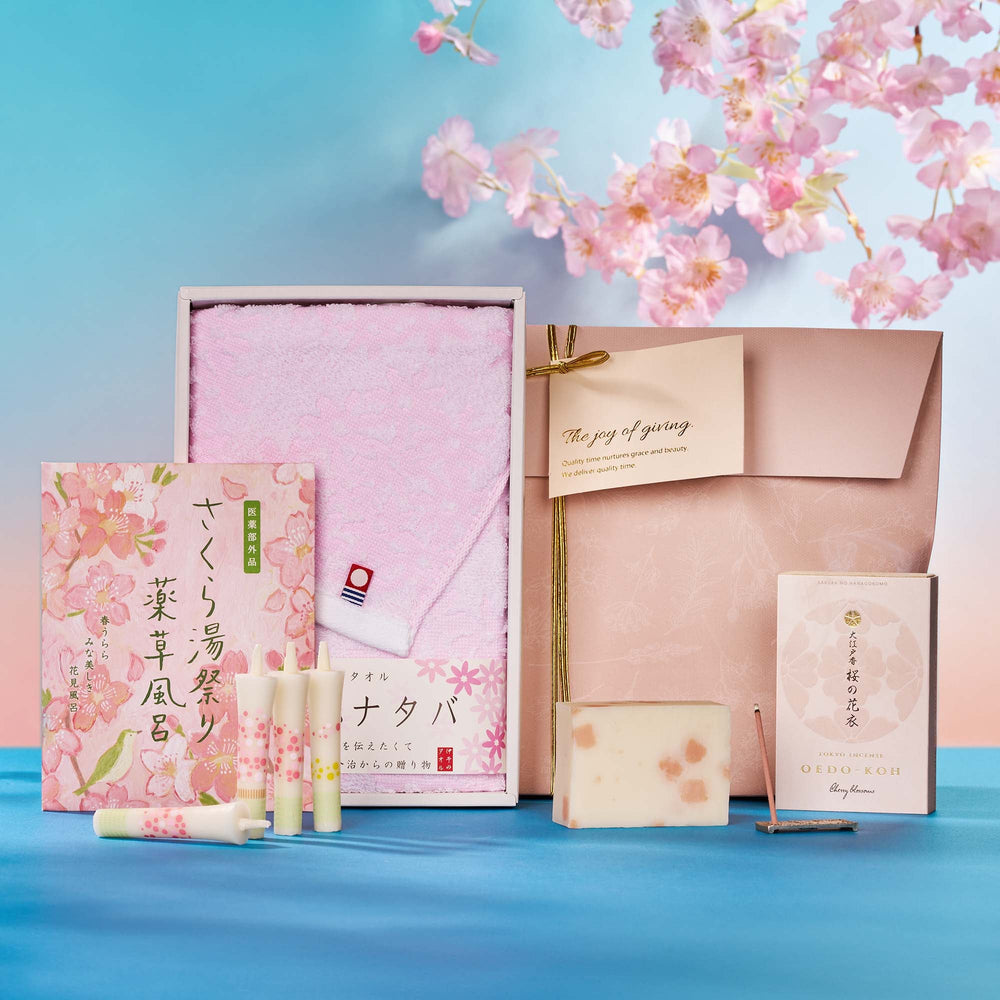
Online Asian grocery stores and other international options are limited because the products tend to lose their freshness before reaching the buyer, even in plastic wrap. Hence, for people outside Japan, experiencing authentic spring wagashi can be difficult. The best opportunities come from curated seasonal selections that allow shoppers to explore traditional Japanese spring sweets and regional specialties without traveling. You could try Bokksu Boutique’s premium Japanese gift boxes, which contain seasonal desserts created by artisan makers. The seasonal gifting collections reflect authentic Japanese flavors, allowing you to experience sakura from anywhere in the world. It can also serve as a thoughtful way to send authentic Japanese sweets as gifts.
Why Sakura Mochi Remains One of Japan’s Most Beloved Spring Sweets

Sakura mochi may seem like just another dessert with a delightful taste, but to Japanese people, it’s so much more. The visual beauty of the pink-colored rice cake, its balanced taste, and its delicate floral aroma combine to create an edible symbol of spring in Japan. It represents the essence of wagashi sakura, which, for centuries, has strengthened people’s emotional connection to cherry blossoms.
If you’re curious about traditional Japanese confectioneries and seasonal discoveries, exploring curated snack and gift collections is a wonderful place to begin. Check out Bokksu Boutique for the best spring snack selections of 2026.



-
Trending Posts

-


Author Bio
More from the blog
View all


