



Japanese Gift Giving Etiquette: A Complete Guide

Japan is well known for its gift-giving culture, but the practice goes far beyond marking special occasions. Giving and receiving gifts in Japan is deeply tied to social rank and obligation: the focus often sits less on the gift itself and more on the act of giving, a gesture that signals closeness, respect, and generosity between giver and recipient.
This guide is for anyone interested in Japanese culture, travelers, or those engaging in business or personal relationships in Japan, helping you avoid common faux pas and show respect through proper gift-giving. Gift-giving in Japan is a deeply rooted social ritual that plays an important role in maintaining relationships and social harmony.
From how a gift is wrapped and presented to when it's given and how it's received, Japanese gift-giving follows a set of customs shaped by centuries of tradition. Here's a guide to understanding it, from everyday etiquette to the specific occasions that call for a gift.
Understanding Japanese Gift-Giving Culture
Before diving into specific occasions, it helps to understand the everyday etiquette that shapes how gifts are given and received in Japan, since the same core customs apply across nearly every occasion below.
The Meaning Behind the Gift
In Japanese culture, a gift is rarely just about the object itself. Gift-giving serves to strengthen relationships and express gratitude. It's a way of acknowledging a relationship, whether that's respect for someone of higher rank, gratitude toward a teacher or mentor, or simple closeness between friends. This is part of why the presentation and timing of a gift often matter as much as its content.
How to Present a Gift
When giving a gift, offer it with both hands, much like presenting a business card, another etiquette-influenced gesture in Japanese culture. The aim is to appear modest rather than showy. If you're giving multiple gifts at once, consider each recipient's rank: a gift for a boss should generally be more expensive than one for a coworker. A gift should always be wrapped in some capacity, even if that simply means placing it in a nice bag. Traditional Japanese wrapping cloth, furoshiki, dates back to the Nara period and is made from patterned fabric, making it a beautiful gift in its own right.
How to Receive a Gift
It's customary in Japan to politely refuse a gift once, twice, or even three times before eventually accepting, with the refusal itself delivered graciously rather than bluntly. Once accepted, receive the gift with both hands as a sign of respect, and thank the giver with "arigatou gozaimasu." A few superstitions shape what's considered appropriate: avoid giving gifts in sets of four, since the word for four sounds like the word for death, while pairs, sets of eight, and sets of three are considered lucky. Gifts are typically opened in private rather than in front of the giver, red is avoided since it's associated with funerals, and green is seen as a fortunate color choice. Taken together, these small customs reflect a broader value placed on humility and consideration throughout the exchange.

The Twice-Yearly Gift Traditions
Beyond individual occasions, Japan observes two dedicated gift-giving seasons each year, roughly six months apart, along with a tradition for returning the favor when a gift is received.
Ochugen: A Summer Gift
Ochugen is a summer gift-giving tradition with roots in the Taoist lunar calendar, observed from July 1 through July 15. During this period, people exchange gifts with those they interact with regularly, typically directed from a younger person to someone of higher rank, such as a parent, teacher, or boss, though friends and relatives take part too. Ochugen carries a strong sense of gratitude and historically served as an offering to ancestors, so gifts often reflect that origin: something consumable, frequently a food or drink meant to be enjoyed chilled given the summer timing. Regional department stores typically set up dedicated ochugen gift counters each year, making it easy to find something suitable without much searching.
Oseibo: A Winter Gift
Oseibo takes place from late November through December 20, marking the year's end (the word literally translates to "end of year," with an added honorific for politeness). Like ochugen six months earlier, oseibo is centered on gratitude and typically involves a consumable gift: food, snacks, beer, wine, or household items like candles, soap, or toiletries. Neither ochugen nor oseibo has strict rules about what must be given, and gifts don't need to be expensive since the gesture matters more than the price. Items to avoid include anything non-consumable, knives (which can symbolize ending a relationship), and work-related items like stationery. Many people maintain the same ochugen and oseibo recipients for years or even decades, treating the exchange as an ongoing marker of an important relationship.
Okaeshi: The Art of the Return Gift
When you receive a gift from someone in your own age group or rank, a coworker or sibling, it's polite to either send a thank-you note or give something in return. This return gift is called okaeshi, and it's typically valued at around half the price of the original gift, often taking the form of alcohol, sweets, or small household items.

Gifts for Travel and Life's Milestones
Certain gifts are tied less to the calendar and more to specific moments: a trip abroad, a birthday, or a wedding.
Omiyage: Bringing Japan Home
Omiyage, which translates to "local product," refers to souvenirs bought specifically for others rather than yourself, typically a type of food representing the place you visited. This tradition is part of why regionally exclusive items are so popular across Japan, uniquely flavored KitKats for nearly every prefecture being a well-known example. Unlike a typical souvenir, omiyage is expected: friends and family back home genuinely anticipate receiving one after a trip, and coming back empty-handed can feel like a noticeable oversight, even among close colleagues.
Birthdays
Japanese birthdays carry more cultural weight than a simple celebration. Turning 77, for instance, is marked as a "happy age" milestone, and there are distinct traditions for a baby's first birthday as well. As one of the most common gift-giving occasions overall, it's worth being comfortable with the general etiquette of giving and receiving covered above.
Weddings
At Japanese weddings, guests customarily give money, known as goshugi, presented in a decorative envelope called a shugi bukuro. The envelope is opened immediately upon receipt, with the amount counted and the giver's name recorded. Beyond the monetary gift, any additional wedding present is generally shaped by the guest's relationship to the couple and relative social standing.

Seasonal and Holiday Gift-Giving
A handful of holidays, some imported, some homegrown, round out Japan's gift-giving calendar with their own distinct customs.
Christmas
Christmas isn't historically rooted in Japanese tradition, but it's grown into a major holiday since the early 1900s. Couples typically exchange gifts, as do families with young children, though it remains more of a festive, romantic occasion than a religious one.
Valentine's Day
Valentine's Day is a major gift-giving occasion in Japan, and chocolate is the traditional gift of choice, though the type matters. Giri choco is given platonically, often to coworkers or friends, while honmei choco is reserved for a romantic partner and is frequently homemade rather than store-bought.
Otoshidama: New Year's Money for Children
Around New Year's, children in Japan receive otoshidama: small envelopes of money given by parents, grandparents, and relatives. The amount typically scales with the child's age, and the tradition is one of the most anticipated gift-giving moments of the year for kids across the country.

Frequently Asked Questions
What does omiyage mean?
Omiyage translates to "local product" and refers to souvenirs, usually food, bought specifically to bring home for friends and family after a trip. Unlike a typical souvenir, omiyage is generally expected rather than optional.
What is the difference between ochugen and oseibo?
Ochugen is a summer gift-giving tradition observed from July 1 to July 15, while oseibo is its winter counterpart, observed from late November through December 20. Both express gratitude toward people of higher rank or close relationships, typically through consumable gifts.
Why do Japanese people avoid giving gifts in sets of four?
The Japanese word for four (shi) sounds identical to the word for death, making sets of four considered unlucky for gifts. Pairs, and sets of three or eight, are seen as fortunate alternatives.
What is okaeshi?
Okaeshi is a return gift given when someone receives a gift from a person of similar age or rank, such as a coworker or sibling. It's typically valued at about half the price of the original gift.
How much money should you give as a Japanese wedding gift?
Wedding gift money, goshugi, generally scales with your relationship to the couple and your own social standing, with closer relationships and higher status typically calling for a larger amount. It's presented in a decorative envelope called a shugi bukuro.
What is the difference between giri choco and honmei choco?
Giri choco is chocolate given platonically on Valentine's Day, often to coworkers or friends, while honmei choco is reserved for a romantic partner and is often homemade rather than store-bought.
Discover Japan One Snack at a Time
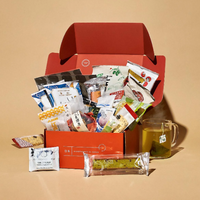
Japanese gift-giving is ultimately about thoughtfulness: choosing something with the recipient in mind, presenting it with care, and letting the gesture speak for itself. Bokksu brings that same spirit to every box, with authentic Japanese snacks handpicked each month from century-old makers across Japan's 47 prefectures.
Ready to give a gift with that same intention? Discover the Bokksu Snack Box subscription for someone special, or for yourself.

-
Trending Posts

-


Author Bio
More from the blog
View all


