



Halloween in Japan: Traditions, Celebrations, and Modern Culture

Japan’s relationship with Halloween is a fascinating blend of imported Western customs and deep-rooted local traditions. This article explores the full scope of Halloween in Japan: from the modern costume-centric celebrations and massive urban events, to the country’s traditional equivalents like Obon and Setsubun, and the unique snacks and themed festivities that fill the season. Whether you’re a traveler planning a visit, a Japan enthusiast, or simply curious about how cultures adapt and transform global holidays, understanding Halloween in Japan offers insight into the country’s creative spirit and its ability to blend outside influences with centuries-old customs. The topic matters because Japan’s Halloween is a unique cultural phenomenon—where cosplay and public spectacle take center stage, and where the spirit of the season is celebrated in ways both familiar and entirely new. It’s important to note that trick-or-treating is virtually non-existent in Japan; instead, Halloween here focuses on cosplay and public display rather than door-to-door candy collecting.
The Short Answer: Halloween in Japan Is for Adults
In Japan, Halloween (ハロウィン, harowin) is about dressing up, not handing out candy. The Japanese word kaso (仮装, costume or disguise) sums it up: people in their twenties and thirties put together elaborate costumes, often inspired by anime, games or horror films, and head to parties, bars and themed events on the weekend closest to October 31. Costume culture in Japan emphasizes elaborate cosplay rather than traditional Halloween costumes, and Japanese Halloween is centered around public display and cosplay.
Halloween in Japan is a commercial and public phenomenon, with large public gatherings common in major urban districts, and is predominantly an urban event rather than a neighborhood festival. Japanese theme parks host massive Halloween celebrations with elaborate events.
Children do take part, but usually in organized ways. Kindergartens hold costume days, and some neighborhood shopping streets run small trick-or-treat events where kids collect sweets from participating shops. Knocking on the doors of strangers is a different matter. In a country with strong norms around privacy and not causing meiwaku (a nuisance) for others, unannounced visits after dark are simply not part of the culture.
Halloween is also popular, but not universal. In a 2024 survey by the Hakuhodo Institute of Life and Living, 12.4 percent of respondents said they had done something for Halloween that year. That is a larger share than marked the traditional moon-viewing festival of tsukimi, but a small fraction of the country.
How Halloween Took Hold in Japan
Halloween arrived in Japan through theme parks and retailers rather than through family tradition. Seasonal events at Tokyo Disneyland and other parks introduced the holiday's imagery in the late 1990s and 2000s, and department stores, convenience stores and snack makers quickly followed with orange-and-purple packaging and limited-edition flavors. We cover that origin story, and the candy it produced, in our guide to Halloween in Japan and the best Japanese candies.
By the 2010s, the holiday had found an unplanned center: the Shibuya Scramble Crossing in Tokyo. Tens of thousands of costumed revelers packed the intersection each year, turning it into one of the most photographed Halloween gatherings in the world, and for a time, a proud showcase of Japanese pop culture. That is also where the story took a turn.
Shibuya's Halloween Crackdown: Where Things Stand in 2026
If you are picturing a Halloween night in Tokyo at the Shibuya Crossing, adjust your expectations. Shibuya City now actively discourages street celebrations, and banners in the district read, in effect, "Shibuya is not a venue for Halloween events."
The turning point came in 2018, when revelers near the crossing overturned a small truck, an image that ran on national news and led to arrests. Shibuya introduced its first Halloween drinking restrictions the following year. The 2022 crowd crush in Seoul's Itaewon district, which killed 159 people during Halloween celebrations, gave officials another reason to worry about packed streets, and Shibuya Mayor Ken Hasebe has cited it repeatedly. In 2024, the ward passed an ordinance banning public drinking at night around the station area all year round.
For Halloween 2025, the ward added more measures under a "No Nuisance Halloween" banner: dozens of liquor retailers near Shibuya Station were asked to pause alcohol sales, security guards and ward staff were deployed to manage crowd flow, and shared e-scooter ports nearby were suspended. Costumes themselves are not banned, and people still come. But the street party that once defined Halloween in Japan is now officially unwelcome.
For visitors, the practical advice is simple: celebrate indoors. Nightclubs and bars across Shibuya, Roppongi and Shinjuku host ticketed costume parties, while Tokyo Disney Resort and Universal Studios Japan in Osaka run large seasonal Halloween programs. Organized community events, such as the Ikebukuro Halloween Cosplay Festival in Tokyo's Toshima ward, offer a sanctioned place to show off a costume.

Japan Already Had Its Own "Halloweens"
Here is the part most Halloween-in-Japan guides leave out: the themes of Halloween, visiting spirits, ghost stories and costumed monsters, were already woven into the Japanese calendar long before the first plastic pumpkin arrived. They just fall at different times of year.
Obon: When the Spirits Come Home
The closest Japanese equivalent to the spirit of Halloween is Obon, the Buddhist festival held in mid-August (or mid-July in some regions), when ancestral spirits are believed to return home. Families light welcoming fires called mukaebi, dance bon odori in the evenings, and send the spirits off again with okuribi fires and floating lanterns. The mood is closer to a family reunion than a fright, but the idea behind it, that the boundary between the living and the dead thins for a few nights each year, is strikingly similar to Halloween's roots.
Summer Is Japan's Ghost-Story Season
In Japan, the scariest time of year is not October. It is summer. Kaidan (怪談, ghost stories) are traditionally told in the hot months, partly because a good scare is said to send a chill down your spine and cool you off. During the Edo period (1603–1868), people played hyaku monogatari, a game in which a group lit one hundred candles, told one ghost story after another, and snuffed out a candle after each tale, supposedly summoning a spirit when the last flame went out.
The most famous Japanese ghost story, Yotsuya Kaidan, premiered as a kabuki play in 1825, in summer, and its vengeful heroine Oiwa still haunts Japanese film and theater today. Summer is also when obake yashiki (haunted houses) pop up at festivals and amusement parks. That long tradition helps explain why Japanese horror is so distinctive, as you will see in our list of top Japanese horror films.

Hyakki Yagyo: The Night Parade of One Hundred Demons
If there is a Japanese version of a Halloween parade, it is the Hyakki Yagyo (百鬼夜行), the night parade of one hundred demons. According to legends dating to the Heian period (794–1185), crowds of yokai (supernatural creatures) marched through the streets of Kyoto on certain nights, and anyone who saw them risked misfortune. The parade became a favorite subject of painted scrolls, which gave shape to many of the yokai still familiar today, from umbrella spirits to walking household tools.
Kyoto has not forgotten. The Ichijo-dori area in the city's northwest, where the parade was said to pass, has reinvented itself as a "yokai street," with monster figures outside its shops and a costumed yokai procession that local residents organize each year.
Namahage and Setsubun: Japan's Costumed Monsters
Japan's oldest costume traditions are about monsters coming to your door, not children. On New Year's Eve on the Oga Peninsula in Akita Prefecture, men in fierce ogre masks and straw capes called namahage stomp into homes, roaring and asking whether any lazy children or crybabies live there, before the family calms them with food and sake. The ritual, meant to ward off misfortune and bring blessings for the new year, was added to UNESCO's Intangible Cultural Heritage list in 2018 as part of a group of masked visiting-deity traditions.
Then there is Setsubun, around February 3, when families throw roasted soybeans at a family member wearing an oni (demon) mask while shouting "oni wa soto, fuku wa uchi," meaning "demons out, good luck in." It is noisy, a little silly, and involves a costume and a treat, which makes it arguably the most Halloween-like night on the traditional Japanese calendar.

Halloween Snacks, Japanese Style
Where Japan fully embraces Halloween is on the snack shelf. Every autumn, convenience stores and supermarkets fill with limited-edition packaging, pumpkin and purple sweet potato flavors, and seasonal cafe drinks. Kabocha (Japanese pumpkin), with its dense, chestnut-like sweetness, was a beloved autumn and winter ingredient long before Halloween, so pumpkin sweets feel as much seasonal as spooky. For ideas on putting those flavors to use, see our Halloween-inspired snack ideas with a Japanese twist.
Popular Japanese Halloween Snacks and Flavors:
-
Pumpkin (kabocha) treats
-
Purple sweet potato snacks
-
Limited-edition autumn packaging
-
Seasonal café drinks (pumpkin lattes, sweet potato frappes)
-
Chestnut-flavored sweets
Taste Japanese Autumn: The Bokksu Snack Box
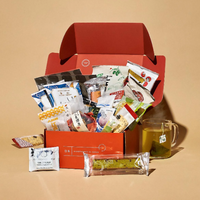
If you would rather taste Japanese autumn itself, the October 2026 Bokksu Snack Box, Koyo Downstream, gathers seasonal snacks from twelve prefectures, from a maple-named senbei to an island chili cracker from Okinawa's Miyako Island with enough heat to count as a trick and a treat.

Frequently Asked Questions
-
Does Japan celebrate Halloween?
Yes, but differently from the West. Halloween in Japan is not a public holiday and has little trick-or-treating; it is mainly celebrated by young adults through costumes, parties and theme park events, along with a wave of limited-edition seasonal snacks. Trick-or-treating is virtually non-existent in Japan, and Japan's Halloween focuses on cosplay rather than trick-or-treating. -
Do kids trick-or-treat in Japan?
Rarely. Door-to-door trick-or-treating is not common, but some kindergartens, schools and neighborhood shopping streets organize small events where children in costume collect sweets from participating shops. -
Can you celebrate Halloween in Shibuya?
You can visit, but street celebrations are officially discouraged. Shibuya bans public drinking at night around the station area year-round, adds extra restrictions and security for Halloween, and asks visitors to celebrate at indoor venues instead. -
Does Japan have its own version of Halloween?
Japan has several traditions with similar themes. Obon in summer welcomes ancestral spirits home, summer is the traditional season for kaidan ghost stories, and Setsubun in February and Namahage on New Year's Eve both feature people dressed as demons. -
What is the Hyakki Yagyo?
The Hyakki Yagyo, or night parade of one hundred demons, is a Japanese legend dating to the Heian period in which yokai marched through the streets of Kyoto at night. It is often described as Japan's closest equivalent to a Halloween parade. -
When is Halloween celebrated in Japan?
Halloween in Japan is on October 31, though most parties and costume events take place on the weekend closest to it, and seasonal decorations and snacks appear in stores from early October.
Discover Japan One Snack at a Time
So, does Japan celebrate Halloween? It does, in its own way, with costumes, parties and a snack aisle full of pumpkins. But the more interesting answer is that Japan never needed Halloween to honor its spirits and monsters. They have been part of the calendar for centuries, from Obon's welcoming fires to the roar of a namahage at the door. Those same regional traditions shape the snacks we find across Japan every month, each tied to a place, a season and a maker with a story. If you would like to taste that seasonal side of Japan at home, explore the Bokksu Snack Box subscription and discover something new, and occasionally a little spooky, every month.

-
Trending Posts

-


Author Bio
More from the blog
View all


