



What Is Dango? History, Types, and How to Make It

Dango is a Japanese sweet made from glutinous rice flour, rolled into small round balls and threaded onto a skewer, usually three to five to a stick. It falls under the broader category of wagashi, traditional Japanese confections, and it comes in dozens of regional and seasonal variations, from the soy-glazed mitarashi dango sold at festival stalls to the pastel tri-colored hanami dango eaten under cherry blossoms. This guide covers what dango actually is, how it differs from mochi, where it came from, and how to make two versions yourself at home.
What Is Dango?
Dango (団子) is one of the most recognizable wagashi in Japan. The dumplings are made from mochiko (glutinous rice flour), formed into soft, chewy balls, and pierced onto a bamboo skewer, which is part of what makes dango such a convenient portable street snack. Depending on the variety, dango is coated in anko (sweetened red bean paste), a sweet soy glaze, sesame seeds, or eaten plain, and the texture is meant to be soft and slightly springy rather than sticky.
Types of Dango
Beyond the well-known varieties covered below, dango comes in regional forms like shoyu dango (soy sauce flavored and grilled), goma dango (coated in sesame seeds), and cha dango (flavored with green tea), along with lesser-known styles like sasa dango, kinako dango, and otoko dango. Three types in particular are worth knowing on their own.
Mitarashi Dango
Mitarashi dango is arguably the most recognizable style: the dango balls are lightly grilled, then coated in a glossy, sweet-and-salty soy sauce glaze. It is the version most commonly sold at festival stalls and convenience stores, and its name traces back to a specific origin story tied to a Kyoto shrine, covered in more detail below.
Hanami Dango
Hanami dango are tri-colored, usually pink, white, and green, and they make their seasonal appearance during hanami, Japan's cherry blossom viewing season in spring. Unlike mitarashi dango, they are typically left unglazed, letting the colors themselves do the visual work as a springtime treat.
Tsukimi Dango
Tsukimi dango are plain white dumplings served without a skewer, traditionally offered during tsukimi, the autumn full moon viewing festival. Their round, stacked presentation is meant to resemble the moon itself, tying the snack directly to the seasonal ritual it accompanies.

Dango vs. Mochi vs. Daifuku
If dango sounds a lot like mochi, that confusion is common, and the two are close relatives rather than the same thing. Dango is made from mochiko, while mochi is made from mochigome (steamed and pounded rice), a different process that gives mochi its larger, softer texture. Mochi is also sometimes filled with anko or even ice cream, while dango is smaller, firmer, and usually sauced rather than filled. Daifuku is a third relative in this family: like mochi, it is made from mochigome rather than mochiko, but with a thinner skin, and it is always filled with anko or other fillings like fresh strawberries, distinguishing it from both mochi and dango.
The History of Dango
Dango's origins may stretch back roughly two thousand years, to a version made by grinding nuts into a fine meal, mixing them with rice porridge, and forming the mixture into balls, an early, portable food source not unlike a prehistoric energy bar.
The modern mitarashi dango has a more specific origin story. A Kyoto tea shop called Kamo Mitarashi claims to be its birthplace in the early 1900s, with a legend tracing the name back to an emperor's visit to Kyoto's Shimogamo Shrine in the 1300s. According to the legend, the emperor looked down while washing his hands in the shrine's purification water, known as mitarashi, and saw five bubbles rise to the surface, which inspired the five dumplings per skewer that became mitarashi dango's signature. Visitors to the shrine began offering the dango to the resident deities as a request for good fortune, then, understandably, brought the same dango home to eat themselves.
Dango in Japanese Culture and Language
Dango shows up well beyond the snack aisle in Japanese culture and language. In the strategy board game go, a "dango" refers to a clustered, inefficient group of stones, a mildly negative use of the word. On the more lighthearted side, a "dango" hairstyle, a round bun worn on each side of the head, is a recognizable fashion style. Perhaps most useful to know is the idiom hana yori dango, literally "dango over flowers," which figuratively means choosing the practical option over the merely decorative one, a nod to picnic-goers historically more interested in the snacks than the cherry blossoms themselves.
How to Make Dango at Home
Making dango at home is simpler than it looks, requiring only a handful of pantry staples and a pot of boiling water. Below are two versions: a quick single-flavor matcha dango, and a more involved hanami and mitarashi dango recipe with homemade sauce.
Simple Matcha Dango
This version yields two servings and comes together in under 30 minutes.
Ingredients:
-
2/3 cup glutinous rice flour (mochiko)
-
1 tablespoon matcha powder
-
2 tablespoons sugar
-
1/2 cup water
Instructions:
1. In a bowl, mix together the mochiko, matcha powder, and sugar.
2. Add the water and knead until well combined.
3. Roll the dough into small, even balls.
4. Bring a pot of water to a boil.
5. Drop the dough balls into the boiling water.
6. Once all the dumplings float to the surface, turn off the heat.
7. Let the dumplings sit in the warm water for 2 to 3 minutes.
8. Remove the dumplings and place them briefly in cold water.
9. Skewer the dumplings, typically three to five per stick.
10. Serve plain or with your topping of choice.
Hanami and Mitarashi Dango (With Sauce)
This version makes 2 servings each of hanami and mitarashi dango, four servings total, and includes a homemade mitarashi glaze.
Dango Ingredients:
-
2 2/3 cups mochiko (sweet rice flour)
-
1 teaspoon matcha powder
-
1/2 cup sugar
-
1 cup hot water
-
Red food coloring
-
Skewers for serving
Mitarashi Sauce Ingredients:
-
1/4 cup water
-
1 tablespoon soy sauce
-
1 tablespoon mirin
-
1/4 cup sugar
-
1 teaspoon cornstarch
-
1 additional teaspoon water
Instructions:
1. Combine the mochiko and sugar in a bowl, gradually adding the hot water as you mix.
2. Knead by hand until the dough reaches an earlobe-like softness when squeezed.
3. Divide the dough in half, setting one half aside for the mitarashi dango.
4. For the hanami dango: divide the remaining half into three equal sections. Leave one section plain.
5. Knead a small amount of water into the matcha powder, then knead that into the second section until evenly colored.
6. Knead 1 to 2 drops of red food coloring into the third section until evenly colored.
7. Roll each of the three sections into two even balls (six total), then boil for 5 to 8 minutes, or until they rise to the surface.
8. Remove, cool slightly, and skewer one of each color per stick.
9. For the mitarashi dango: divide the reserved dough into six small balls and boil for 5 to 8 minutes, or until they rise to the surface.
10. Remove, cool slightly, and skewer three balls per stick.
11. For the sauce: mix the cornstarch with the additional teaspoon of water and set aside.
12. Combine the water, soy sauce, and sugar in a small saucepan and bring to a boil over medium heat.
13. Stir in the cornstarch mixture and return to a boil, then remove from heat.
14. Lightly toast the mitarashi dango in a dry, non-stick pan, then glaze with the warm sauce and serve immediately.
Frequently Asked Questions
What is dango made of?
Dango is made primarily from mochiko, a glutinous rice flour, mixed with water and formed into small balls that are boiled, then typically skewered and topped with sauce, red bean paste, or eaten plain.
What is the difference between dango and mochi?
Dango is made from mochiko and is typically smaller, firmer, and sauced, while mochi is made from steamed and pounded rice (mochigome) and is larger, softer, and sometimes filled with red bean paste or ice cream.
What does mitarashi dango taste like?
Mitarashi dango has a mild, slightly chewy rice flavor coated in a glossy sweet-and-salty soy glaze, similar in flavor profile to a savory-sweet caramel sauce.
When is hanami dango eaten?
Hanami dango is traditionally eaten during hanami, Japan's cherry blossom viewing season in spring, and its pink, white, and green colors are meant to reflect the season itself.
Can I make dango without matcha or food coloring?
Yes. Plain dango made from just mochiko, sugar, and water is a traditional style on its own, and it pairs well with a mitarashi glaze or sweetened red bean paste.
Discover Japan One Snack at a Time
Dango is a small snack with a surprisingly long history, tied to specific seasons, festivals, and even a few centuries-old legends. Whether you make a batch at home or simply want to taste the range of textures and flavors that Japanese wagashi has to offer, from mochi-adjacent dumplings to the maker-driven regional sweets found throughout Japan, there is always another version worth trying.
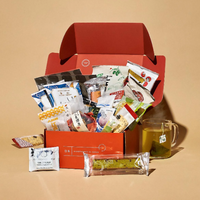
Explore the Bokksu Snack Box subscription for a monthly taste of wagashi and other Japanese treats delivered straight to your door.

-
Trending Posts

-


Author Bio
More from the blog
View all


