



What Is Wagashi? A Guide to Traditional Japanese Sweets

Walk past a wagashi (traditional Japanese confectionery) counter in Kyoto and you might mistake the pastel shapes for tiny sculptures rather than something meant to be eaten. Wagashi is a collective term for traditional Japanese sweets, and it covers everything from chewy mochi rice cakes to jewel-toned jellies shaped like autumn leaves. These confections have been refined over more than a thousand years by monks, merchants, and tea masters, and each one still carries a story about the season, the region, or the ceremony it was made for. This guide is for anyone curious about Japanese sweets, from first-time tasters to seasoned enthusiasts. Understanding wagashi matters culturally because it offers insight into Japanese craftsmanship, seasonal awareness, and the spirit of hospitality that defines much of Japanese tradition. In this guide, we will cover what wagashi actually means, how it developed, the main categories you will encounter, and how to bring a taste of the tradition into your own home.
What Does "Wagashi" Actually Mean?
Wagashi (和菓子) combines two characters: "wa," meaning Japanese, and "gashi," meaning confectionery. Wagashi is a collective term for traditional Japanese sweets, and the term exists specifically to distinguish these treats from yogashi, Western-style sweets like cake and chocolate that entered Japan later. Unlike butter-and-cream-heavy Western desserts, wagashi leans almost entirely on plant-based ingredients: mochigome (glutinous rice), rice flour, kanten (agar derived from seaweed), kuzu starch, chestnuts, and above all anko, a sweet paste made from simmered azuki beans. Wagashi commonly includes red bean paste known as anko. Anko can be smooth (koshian) or left chunky (tsubuan), and it shows up as the filling, the coating, or the entire body of a wagashi depending on the recipe. Because the ingredient list is so simple, the artistry comes from shape, color, and timing rather than richness, which is exactly why wagashi is often described as edible art rather than a snack.
The History of Wagashi, From Ritual Offering to Tea Ceremony Art
Wagashi's roots stretch back to Japan's Jomon period (roughly 14,000 to 300 BCE), when early dango, simple dumplings made from ground nuts and water, were formed by hand and used as offerings. During the Asuka and Nara periods in the 600s and 700s CE, confections and techniques arrived from China alongside Buddhism, introducing the idea of shaped, filled sweets. Centuries later, in the mid-1500s, Portuguese traders brought nanban confectionery to Japan, including konpeito, small star-shaped sugar candies whose name comes from the Portuguese word confeito. Konpeito was rare and expensive enough that it captivated the warlord Oda Nobunaga and became a treat reserved for samurai and noble families.
The real turning point came during the Edo period (1603 to 1868), when wagashi became inseparable from sado, the Japanese tea ceremony. As chanoyu culture spread among merchants and nobility, confectioners in Kyoto and Edo (present-day Tokyo) began designing sweets specifically to be eaten just before drinking bitter matcha, using seasonal flowers, birds, and landscapes as inspiration. This is the era that produced many of the wagashi houses still open today, and it is why the tradition remains so tightly bound to tea culture even now.

The Three Main Categories of Wagashi
Wagashi are classified by moisture content: high, medium, low. Wagashi is generally sorted by moisture content, and understanding these three buckets makes the rest of the category much easier to navigate.
Namagashi (Fresh Sweets)
Namagashi means "raw sweet" and refers to wagashi with the highest moisture content, typically over 30 percent. This category includes daifuku, dango, and nerikiri, the hand-sculpted sweets prized in tea ceremonies for their intricate seasonal designs. Namagashi has the shortest shelf life of the three categories, often just a day or two, because it is meant to be enjoyed fresh.
Han-namagashi (Semi-Dry Sweets)
Sitting in the middle, han-namagashi has moderate moisture and a longer shelf life than namagashi. Monaka (a wafer shell filled with anko) and kintsuba (a griddled block of sweet bean paste) both fall into this category, making them popular souvenirs since they travel better than fresh mochi.
Higashi (Dry Sweets)
Higashi has minimal moisture and the longest shelf life of the three. Rakugan, a pressed sugar confection often stamped with seasonal motifs, and konpeito both belong here. Because higashi is dry and less sweet on the tongue, it is frequently served during more formal tea ceremonies, where its subtlety will not compete with the matcha.
Popular Types of Wagashi to Know
Mochi and Daifuku
Mochi, pounded glutinous rice cake, is arguably the most recognizable wagashi outside Japan. On its own, mochi is fairly plain, which is why it is so often stuffed to become daifuku, the stuffed cousin of mochi, filled with anko, strawberries, or matcha cream.
Dango
Dango are small, round dumplings made from rice flour and typically skewered in groups of three to five. Mitarashi dango, glazed in a sweet soy sauce, is a common street-food version sold at festivals and shrines across the country.
Dorayaki
Dorayaki consists of two small, castella-like pancakes sandwiching a layer of anko. Its name comes from dora, the gong-shaped pan traditionally used to cook the batter, and it is best known internationally as the favorite snack of the manga and anime character Doraemon.
Yokan
Yokan is a firm, sliceable jelly made by setting sweetened azuki bean paste with kanten. It is one of the older wagashi formats and pairs particularly well with strong matcha, since its dense sweetness balances the tea's bitterness.
Warabi Mochi
Not true mochi at all, warabi mochi's bracken-starch chew comes from warabiko (bracken starch) rather than rice, giving it a soft, almost pudding-like texture. It is traditionally dusted with kinako (roasted soybean flour) and drizzled with kuromitsu (brown sugar syrup), and it is especially popular chilled in summer.
Manju
Manju is a steamed bun with a thin wheat or rice-flour wrapping around an anko center. Regional versions abound. Tokyo's Nihonbashi district is known for ningyo-yaki, a manju-adjacent confection baked in molds shaped like dolls and the Seven Lucky Gods, sold along the approach to Senso-ji temple.

Wagashi Across Japan's Regions and Seasons
Regional Varieties
Because wagashi is so tied to place and time, the same basic techniques produce very different results depending on where and when you find them. In Kyoto, centuries of imperial and tea-ceremony patronage produced Kyogashi, a refined regional style. Ichimonjiya Wasuke, founded in the year 1000 near Imamiya Shrine, is often cited as the oldest continuously operating wagashi shop in Japan, and its specialty, aburi mochi (grilled, skewered mochi brushed with sweet white miso), has barely changed in a millennium. Toraya, founded in the early 1500s, became a purveyor to the imperial court and still operates today.
Travel north to Kanazawa in Ishikawa Prefecture and you will find choseiden, often ranked among Japan's top three traditional confections, alongside a wagashi culture closely tied to the city's famous gold leaf craft. In Mie Prefecture, pilgrims visiting Ise Grand Shrine have snacked on akafuku mochi, a soft rice cake wrapped in sweet azuki paste, for centuries. Aichi Prefecture is known for uiro, a steamed rice-flour cake, while Saitama built its reputation on dango.
Seasonal Varieties
Seasonality matters just as much as geography. Spring brings sakura mochi, pink-tinted rice cakes wrapped in a pickled cherry blossom leaf. Summer favors cooling, jewel-like sweets like mizu-yokan (a softer, more translucent yokan) and kuzukiri, glassy noodles made from kudzu starch and served with dark syrup, both chosen specifically to feel refreshing in the heat. Autumn shifts toward chestnut and momiji (maple leaf) motifs, and winter brings warmer, denser sweets built around roasted sweet potato and citrus. This concept, matching a sweet's color, shape, and even its poetic name to the current moment in nature, is central to wagashi and is often summarized by the phrase kacho fugetsu, literally "flowers, birds, wind, and moon."

How to Enjoy Wagashi at Home
Traditionally, wagashi is served just before a cup of matcha, since the sweetness prepares the palate for the tea's bitterness and the two flavors round each other out. If you want to try pairing matcha and mochi at home, keep it simple: brew the matcha slightly stronger than you normally would, take a small bite of the wagashi first, and let the sweetness settle before sipping. Presentation matters too. Part of the tradition is pausing to appreciate the color and shape before eating, so serving wagashi on a simple plate rather than straight from the package goes a long way.
You do not need a full tea ceremony setup to start. Bokksu's One Bite Sesame Mochi is an easy entry point: a chewy mochi exterior rolled in sesame around a center of sweet anko, built in the same spirit as centuries-old daifuku but sized for casual snacking. It is a good way to understand what makes wagashi different from a Western dessert before working your way toward more delicate, seasonal styles.

Frequently Asked Questions
-
What is the difference between wagashi and mochi?
-
Wagashi is the broad category of all traditional Japanese sweets, while mochi is one specific type of wagashi made from pounded glutinous rice. Not every wagashi contains mochi, but nearly every wagashi shares mochi's reliance on rice, anko, or both.
-
-
What does wagashi taste like?
-
Most wagashi is only lightly sweet compared to Western desserts, with flavor coming from azuki beans, rice, matcha, or seasonal fruit rather than butter or cream. The sweetness is calibrated specifically to balance the bitterness of matcha, so it can taste subtle on its own.
-
-
Is wagashi vegan?
-
Many classic wagashi are naturally plant-based, relying on rice, azuki beans, agar, and sugar rather than dairy or eggs. That said, some modern or Western-influenced varieties add cream or egg, so it is worth checking ingredients if strict veganism matters to you.
-
-
What is the oldest wagashi shop in Japan?
-
Ichimonjiya Wasuke in Kyoto, founded in the year 1000, is widely considered the oldest continuously operating wagashi shop in the country. It still serves its original specialty, aburi mochi, grilled and brushed with sweet miso sauce.
-
-
What is the difference between namagashi and higashi?
-
Namagashi is fresh, high-moisture wagashi like daifuku and nerikiri, meant to be eaten within a day or two. Higashi is the dry end of the spectrum, including rakugan and konpeito, made to last far longer with a much lighter sweetness.
-
-
Can I buy wagashi outside of Japan?
-
Yes. While fresh namagashi is hardest to find outside Japan due to its short shelf life, shelf-stable wagashi-style snacks and Japan-sourced treats are widely available through specialty grocers and curated snack subscriptions.
-
Discover Japan One Snack at a Time
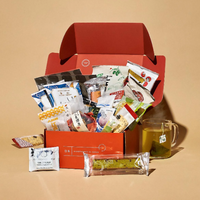
Wagashi is a small window into a much larger story about Japanese craftsmanship, seasonal awareness, and hospitality, and tasting it is one of the most direct ways to understand that culture without booking a flight. Every fold of mochi, every stamped rakugan, and every bite of anko carries a maker's history and a region's identity behind it. If this guide has you curious to taste that tradition for yourself, explore the Bokksu Snack Box subscription and let a new box of Japan's snack culture, wagashi included, arrive at your door every month.

-
Trending Posts

-


Author Bio
More from the blog
View all


