



What Is Setsubun? Japan’s Most Underrated Winter Tradition Explained
What Is Setsubun? A February Festival Many Visitors Miss

Setsubun is one of Japan's most underrated winter traditions, celebrated in early February as the seasons begin to shift. The Japanese word Setsubun translates to "seasonal division," originally marking the day before spring in the old lunar calendar and signaling the end of winter. While it isn't a national holiday, it remains a cherished custom, practiced by families across Japan through simple, symbolic rituals at home. Much like the New Year, Setsubun represents a fresh start, but on a smaller, more personal scale. Its subtle, understated nature may be why it's often overlooked outside Japan, yet this humble tradition offers a meaningful glimpse into how Japanese culture honors the changing seasons.


Why Setsubun Exists: Japan’s Belief in Seasonal Turning Points

At its core, Setsubun is about getting ready for change by clearing away bad luck before a new season begins. Taking place at the quiet tail end of winter, it reflects Japan's ritual-centered way of life, where even the simplest actions carry spiritual weight and help restore a sense of balance. Setsubun originated from the ancient Chinese Tsuina ritual, which was introduced to Japan in the 8th century as a way to ward off evil spirits during seasonal transitions, before gradually evolving into a custom uniquely its own. Today, Setsubun serves as a symbolic reset that pushes out negative energy and invites good fortune for the season ahead. From mamemaki, the throwing of roasted soybeans, to eating a special sushi roll while facing the year's lucky direction, these modest rituals remain deeply meaningful and remind us that welcoming spring often begins with small, intentional acts.
The Bean-Throwing Festival Explained (Mamemaki)

Mamemaki is the lively heart of Setsubun, a traditional Japanese bean throwing ritual that brings families and communities together to welcome the new season. During the ceremony, people toss roasted fortune beans while chanting "Oni wa soto! Fuku wa uchi!", meaning "Demons out! Fortunes in!", to drive away evil spirits and invite good luck. It takes place in homes, schools, shrines, ad public spaces across Japan, often with a family member wearing a demon mask to symbolically absorb and cast out misfortune. The custom gained popularity during the Muromachi Era, inspired by a legend of a monk who used roasted beans to ward off a demon, reinforcing the belief that beans could protect homes from evil. Roasted beans are chosen intentionally because they cannot sprout, preventing bad luck from taking root. Through this simple tradition, mamemaki becomes a simple yet meaningful way to prepare the home and spirit for spring.
Meet the Oni: The Folklore Behind Japan’s Demons

Oni are some of the most striking figures in Japanese folklore, instantly recognizable by their horned heads, wild hair, and fearsome expressions. These ogre-like demons are believed to possess superhuman strength and have long been associated to chaos, disease, suffering, and even hell itself, making them powerful symbols of evil and misfortune. During Setsubun, however, oni take on a more symbolic role, representing the bad luck, negative energy, and hardships people hope to cast away as the seasons change. Their role in the festival shows how closely folklore and ritual are woven into Japanese culture, where mythical beings are not just stories but represent very real human fears and struggles. By confronting and driving out the oni through ritual, Setsubun turns ancient beliefs into a meaningful act of protection, helping restore balance and make room for a fresh start.
How Families Celebrate Setsubun at Home Today

In modern Japan, Setsubun is still most often celebrated at home, where families turn ancient rituals into warm, playful moments they can share together. Children wear colorful demon masks and pretend to be oni while parents and siblings toss beans, filling the room with laughter. The mood is lighthearted, but the intention is heartfelt, to chase away misfortune and invite happiness for the coming season. To make celebrating easier, supermarkets and convenience stores sell ready-made Setsubun sets during this time, usually filled with fukumame and a demon mask so anyone can enjoy mamemaki at home. Many families also enjoy foods believed to bring good luck and good health, weaving tradition into everyday family life in a way that feels relaxed rather than formal.
Alongside bean throwing, some households continue protective customs passed down through generations, such as decorating doorways with hiiragi iwashi, a sprig of holly paired with dried sardine heads. The sharp leaves and strong fishy smell are believed to repel demons, keeping bad luck and illness from entering the home. Together, these small but meaningful gestures show how Setsubun continues to adapt to modern life while preserving its deeper message of protection, participation, and hope for a better season ahead.
Temple and Shrine Setsubun Events Across Japan

Across Japan, Setsubun comes alive at temples and shrines with large-scale events that draw huge crowds eager to welcome good fortune for the year ahead. One of the most famous celebrations takes place at Sensoji Temple in Tokyo, the first location in Japan to host a grand Setsubun ceremony. Each year, thousands of people gather to watch monks and invitd celebrities toss beans into the crowd, turning the ritual into a festive spectacle. Since temples are considered sacred spaces where demons cannot enter, the usual chant is replaced wit calls that focus only on inviting good fortune. The celebration also includes the energetic Dance of the Seven Lucky Gods, with short performances that symbolize wishes for health, happiness, success, and long life.
Different regions put their own spin on Setsubun, giving the tradition a unique character wherever it's celebrated. Tokyo Tower has welcomed the arrival of spring since its opening in 1958, with monks performing rituals beneath the tower while its mascot, Noppon, and staff members scatter beans and sweets to the crowd. In Kyoto, Yasaka Shrine hosts a more refined celebration, where geiko and maiko from the Gion district offer elegant dances to the shrine’s deity before tossing lucky soybeans and rice cakes. Meanwhile, Naritasan Fudoson Temple in Neyagawa City, Osaka, is known for one of the area’s most high-energy events, often featuring well-known figures from Kansai’s political and entertainment worlds. As beans shower down from a specially built stage and crowds chant “fuku wa uchi,” these celebrations show how local traditions and community spirit continue to keep Setsubun lively and engaging throughout Japan.
Setsubun Foods: What People Eat for Good Luck

Food plays both a comforting and symbolic role in Setsubun, turning good-luck traditions into moments of delicious food and shared tradition. After the bean-throwing ceremony, people eat fukumame, or roasted soybeans, taking one for each year of their age plus an extra for added protection and good health in the coming year. Another popular tradition is eating ehomaki, a thick, uncut sushi roll eaten while facing the year’s lucky compass direction. People eat it in silence, making a wish and finishing the roll without cutting it. Traditionally, ehomaki contains seven ingredients representing the Seven Lucky Gods, such as omelet, cucumber, dried gourd, shiitake mushrooms, shrimp, eel, and sweet fish flakes, though modern variations often include tuna, salmon, avocado, or imitation crab. These seasonal foods show how Japanese traditions turn everyday meals into more than just eating—they become intentional acts that welcome luck, health, and the fresh energy of a new season.
Why Setsubun Feels So Uniquely Japanese

Setsubun feels distinctly Japanese because it combines symbolism, seasonality, and mindful living in a quietly profound way. Taking place just as winter gives way to spring, the tradition reflects a deep respect for nature's cycles and the belief that small, intentional actions can influence the year ahead. Rather than relying on grand displays, Setsubun centers on simple rituals, like throwing beans, sharing food, or observing small protective customs, that invite reflection, renewal, and a sense of balance. Even those with busy lives can take part at home, making the tradition accessible through tiny, thoughtful acts. By paying attention to timing, intention, and everyday practice, Setsubun reveals values at the heart of Japanese culture—awareness of impermanence, harmony with the seasons, and care for both body and spirit. It offers a quiet but powerful reminder of how tradition continues to influence daily life in Japan, shaping both routines and perspectives in subtle, lasting ways.
Why Seasonal Traditions Like Setsubun Are Gaining Global Interest

Around the world, more people are discovering the appeal of Japanese rituals, folklore, and seasonal living as they seek mindful ways to mark the passage of time. Traditions like Setsubun resonate far beyond Japan because they center on reflection, renewal, and simple actions that are believed to bring good luck at the beginning of a new season. For many, these practices offer a welcome break from fast-paced, trend-driven culture, encouraging a closer connection to nature and the small moments of everyday life. Bokksu serves as a cultural guide on this journey, letting readers experience Japan year-round through carefully curated stories, flavors, and traditions that make each season feel intentional, personal, and deeply connected.
Experiencing Setsubun Abroad Through Japanese Snacks

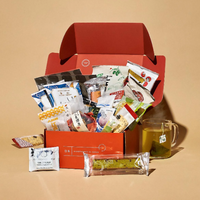
As Setsubun shows, many Japanese traditions start at home, where simple rituals can turn everyday moments into something special. For those outside Japan, the Bokksu Snack Box offers a way to step into this world and experience seasonal culture right from your own house. Each box is thoughtfully filled with sweet and savory treats inspired by cultural moments like Setsubun, letting you taste the season while discovering the stories behind it. Whether you’re drawn to folklore, food, or seasonal living, Bokksu invites you to join a flavorful trip through Japan—one snack, one tradition, and one moment at a time.



-
Trending Posts

-


Author Bio
More from the blog
View all


