



Japanese Seasonal Kit Kats: A Flavor-by-Flavor Guide to Japan's Limited Editions

Japanese seasonal Kit Kats are a unique phenomenon that has captivated fans of Japanese snacks, travelers, and collectors worldwide. This guide focuses specifically on Japanese seasonal Kit Kats—limited-edition flavors released by Nestlé Japan to celebrate the changing seasons, holidays, and local harvests. With over 300 unique Kit Kat flavors created in Japan, many of which are seasonal or regionally exclusive, these treats have become a symbol of the country’s creativity, cultural significance, and passion for limited-time offerings. Whether you’re a snack enthusiast, a traveler seeking authentic souvenirs, or a collector of rare flavors, understanding Japanese seasonal Kit Kats offers a window into Japan’s love for novelty, local ingredients, and the art of gifting.
Notable Japanese Seasonal Kit Kat Flavors by Season
Here’s a quick reference to some of the most iconic and sought-after Japanese seasonal Kit Kat flavors, organized by season:
|
Season |
Notable Flavors |
|---|---|
|
Spring |
Sakura Cherry Blossom, Sakura Matcha, Iyokan Mandarin Orange |
|
Summer |
Setouchi Lemon & Salt, other citrus and refreshing tart flavors |
|
Autumn |
Sweet Potato, Chestnut, Apple Pie (Halloween special) |
|
Winter |
Strawberry Daifuku, Sake, Party Ice Cream, Baked Custard Pudding (toasted type) |
|
New Year |
Red and White (Kouhaku) |
-
Sakura Cherry Blossom (Spring): Celebrates cherry blossom season, a major event in Japan.
-
Iyokan Mandarin Orange (Spring): Released for exam season, symbolizing good luck.
-
Sweet Potato & Chestnut (Autumn): Highlight Japan’s harvest and local agriculture.
-
Apple Pie (Halloween/Autumn): Special flavor for Halloween, with a balance of cinnamon and apple.
-
Strawberry Daifuku & Sake (Winter): Festive flavors for the colder months.
-
Red and White (New Year): Symbolic colors for Japanese New Year.
-
Baked/Toasted Kit Kats: Special winter editions designed to be toasted for a caramelized crust.
What Are Japanese Seasonal Kit Kats?
Japanese seasonal Kit Kats are limited-edition chocolate bars released by Nestlé Japan to mark specific times of the year, such as spring, summer, autumn, and winter, as well as holidays like Halloween and New Year. These flavors are often inspired by local ingredients, agricultural micro-seasons, and traditional Japanese celebrations. For example, Sakura Cherry Blossom and Sakura Matcha appear in spring, Sweet Potato and Chestnut in autumn, Strawberry Daifuku and Sake in winter, and Apple Pie for Halloween. Some, like the Baked Custard Pudding Kit Kat, are even formulated to be toasted for a caramelized crust.
Seasonal Kit Kats are distinct from regional Kit Kats, which are sold as omiyage (souvenir gifts) and reflect local specialties from different parts of Japan. Both types are usually available for a limited time, making them highly collectible and sought after by fans and travelers. The focus on seasonal and regional flavors, along with the use of local ingredients and attention to flavor balance, has led to the creation of over 300 unique Kit Kat varieties in Japan—far more than anywhere else in the world.
Next, let’s explore how seasonal Kit Kats are released and what makes them so special in Japanese culture.
How Do Seasonal Kit Kats Work?
Seasonal Kit Kats are released around the turn of a season, sold for a limited window, and then retired, sometimes for good. Some return in later years with tweaks; others become one-off collector's items. The strategy plays on the same love of limited-time, seasonal goods you see across Japanese food culture, where cherry blossom sweets appear in March and April and harvest flavors take over in autumn. Alongside seasonal releases, Japan also has regional Kit Kats sold as omiyage (souvenir gifts) and premium versions from the Kit Kat Chocolatory shops.
The next section will explain why Kit Kats have become such a cultural icon in Japan and how their popularity grew.
Why Are Kit Kats Such a Big Deal in Japan?
Kit Kats are a big deal in Japan largely because of a happy accident of language. In Japanese, Kit Kat is pronounced "kitto katto," which sounds like "kitto katsu," a phrase meaning "you will surely win." That made the bar a natural good-luck gift for students facing university entrance exams, and the tradition stuck. Nestle Japan leaned in, eventually partnering with Japan Post so people could mail Kit Kats with handwritten messages, and the brand grew into one of the country's best-selling chocolate bars. Today, Kit Kats are as much a gift and a souvenir as a snack.
Now, let’s dive into the seasonal flavors themselves, starting with spring.
Spring Kit Kats: Exam Season and Easter
Spring Kit Kats lean bright and fresh, timed to exam season and the start of the school year. Notable spring flavors include:
-
Sakura Cherry Blossom: A delicate floral flavor celebrating cherry blossom season.
-
Sakura Matcha: Combines cherry blossom with green tea for a uniquely Japanese taste.
-
Iyokan Mandarin Orange: Released to wish students luck during exam season, with a refreshing citrus profile.
-
Easter Banana: A playful spring release with subtle banana and white chocolate notes.
Iyokan Mandarin Orange Kit Kat
The Iyokan Kit Kat arrives in spring to wish test-takers luck. Iyokan is a Japanese citrus, the country's second most widely grown after mikan, and its name sounds like "ii yokan," meaning "a good feeling," which makes it a popular gift for students. In our taste test, the top notes were refreshing and slightly tart before melting into creamy white chocolate, a natural pick for fans of orange and chocolate.
Easter Banana Kit Kat
The Easter Banana Kit Kat was a spring release built around the holiday. In our taste test, it came across as more vanilla and white chocolate than banana, with a faint banana aroma at the finish, and refreshingly free of the artificial edge some banana snacks have. Its paper packaging even let you color in the egg on the outside.
Next, let’s see how summer flavors bring a refreshing twist to Kit Kats.
Summer Kit Kats: Bright and Salty
Summer Kit Kats tend to chase refreshment, with citrus and salt doing a lot of the work. Notable summer flavors include:
-
Setouchi Lemon & Salt: Inspired by the Seto Inland Sea region, offering a sherbet-like lemon flavor with a hint of salt.
-
Other Citrus and Tart Flavors: Summer releases often focus on bright, tangy profiles to beat the heat.
Setouchi Lemon and Salt Kit Kat
The Setouchi Lemon and Salt Kit Kat was a summer release named for the Seto Inland Sea region, one of Japan's best-known citrus-growing areas. In our taste test, the lemony white chocolate tasted almost like lemon sherbet, followed by a hint of salt that lingered as the sweetness faded. Salty citrus chocolate sounds unusual on paper, but it makes sense on a hot day.
As autumn approaches, Kit Kat flavors shift to celebrate the harvest season.
Autumn Kit Kats: Harvest Flavors and Halloween
Autumn Kit Kats follow Japan's harvest season, with sweet potato, chestnut, and fruit flavors plus a Halloween twist or two. Notable autumn flavors include:
-
Sweet Potato: A creamy, honey-like flavor inspired by the autumn harvest.
-
Chestnut: Subtle and aromatic, reminiscent of candied chestnut.
-
Apple Pie: A Halloween special, balancing cinnamon and apple with a tart finish.
Fall Sweet Potato Kit Kat
Known in Japanese as "Autumn Sweet Potato," this Kit Kat was made for the fall harvest. It came in a subdued cream-colored chocolate, and in our taste test it had a warm, honey-like sweetness that tasted more like creamy sweet potato pie filling than a roasted sweet potato, which made it a lovely after-dinner treat.
Fall Chestnut Kit Kat
The Fall Chestnut Kit Kat was a subtle one. At first bite it seemed almost plain, but the flavor slowly developed on the tongue, coming through more as an aroma than a bold taste, with the gentle sweetness of candied chestnut.
Apple Pie Kit Kat
The Apple Pie Kit Kat was a Halloween release, which explains its purple packaging. In our taste test, it balanced cinnamon and apple well, with a dusting of tart powder that added little sour pops, and it genuinely tasted like apple pie.
Chocolate and Orange Kit Kat
The Chocolate and Orange Kit Kat arrived in late October 2019 as a very limited release. It paired a simple milk chocolate coating with intensely flavored orange cream between the wafers, a combination that reminded our taster of holiday chocolate oranges.
As winter arrives, Kit Kat flavors become richer and more festive.
Winter and New Year Kit Kats
Winter Kit Kats lean rich and celebratory, from dessert-inspired flavors to bars made for New Year. Notable winter and New Year flavors include:
-
Strawberry Daifuku: Inspired by the classic Japanese sweet, blending strawberry, red bean, and mochi flavors.
-
Sake: A unique flavor capturing the essence of Japanese rice wine.
-
Party Ice Cream: A creamy, milky flavor with a crunchy texture.
-
Baked Custard Pudding: Designed to be toasted for a caramelized, creme brulee-like crust.
-
Red and White (Kouhaku): Symbolic colors for New Year, pairing milk and white chocolate.
Strawberry Daifuku Kit Kat
Strawberry daifuku is a classic Japanese sweet of a whole strawberry wrapped in red bean paste and mochi (pounded rice cake), and winter is Japan's peak strawberry season. The Kit Kat version mixed azuki (red bean) powder and bits of strawberry into white chocolate, with a very thin layer of anko (sweet red bean paste) between the wafers. In our taste test, the strawberry's tartness blended nicely with the red bean and white chocolate.
Party Ice Cream Kit Kat
The Party Ice Cream Kit Kat was a winter flavor that debuted in 2019, riding Japan's trend for eating ice cream in winter. The white chocolate coating carried an ice cream flavor and flakes of feuilletine (crisp, flaky wafer pieces), while the wafers were flavored with cream powder. It was very sweet and creamy, with a nice crunch from the feuilletine, best for fans of milky desserts.
Baked Custard Pudding Kit Kat
This winter Kit Kat was designed to be baked. A few minutes in a toaster oven, under close supervision, caramelized the top like creme brulee, adding nutty sweetness and crunch. In our taste test, baking cut some of the sugariness and added complexity, and it paired beautifully with a cup of tea.
New Year's Red and White Kit Kat
Red and white, called kouhaku in Japanese, are the traditional colors of New Year celebrations. This New Year bag paired a milk chocolate Kit Kat with a white chocolate Kit Kat in red and white packaging. Simple, festive, and made for sharing.

Next, let’s look at how you can find these seasonal Kit Kats today, both in Japan and abroad.
How Can You Find Seasonal Kit Kats Today?
In Japan, seasonal Kit Kats show up in convenience stores, supermarkets, and train-station shops when each season turns, while regional flavors are often sold as omiyage near tourist spots and premium versions appear at Kit Kat Chocolatory shops. Outside Japan, availability is spotty, and the exact flavors change every year, so the ones in this guide may not be on shelves now. If you see a seasonal flavor you want, the safest rule is to grab it while it's around.
If you want to experience Japan’s seasonal flavors at home, there are curated snack boxes that bring these treats to your door.
Bring Japan's Seasonal Flavors Home with Bokksu
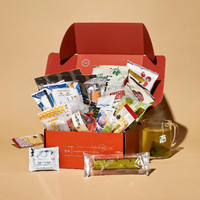
Seasonal Kit Kats are proof of how much Japan loves eating with the calendar, and the Bokksu Snack Box is built on that same idea. Each month's box rotates with the seasons and is sourced from small, often century-old Japanese snack makers rather than big brands.
White Chocolate Strawberry Snack
If the Strawberry Daifuku Kit Kat sounds like your kind of thing, the White Chocolate Strawberry snack pairs freeze-dried strawberries with white chocolate.
Handmade Yuzu Sake Candy
If citrus is more your style, the Handmade Yuzu Sake Candy, made with a real sake base, brings a bright, warming note.
Each box includes a Snack and Culture Guide with the story behind every item, making it easy to discover new flavors and the traditions behind them.

Frequently Asked Questions
Why are there so many Kit Kat flavors in Japan?
-
Nestle Japan releases limited-edition seasonal and regional flavors to tap into Japan's love of seasonal food and souvenir gifts.
-
More than 300 unique Kit Kat flavors have been released in Japan since 2000, many available only for a short window.
Why are Kit Kats considered good luck in Japan?
-
In Japanese, Kit Kat sounds like "kitto katsu," which means "you will surely win."
-
This made it a popular good-luck gift for students before university entrance exams.
When are seasonal Kit Kats released in Japan?
-
Seasonal Kit Kats appear around the turn of each season:
-
Spring: Citrus and cherry blossom flavors for exam season
-
Autumn: Harvest flavors like sweet potato and chestnut
-
Winter: Festive and dessert-inspired flavors
-
Halloween: Special releases like Apple Pie
-
New Year: Red and white celebratory editions
-
-
Exact release dates and flavors change from year to year.
Do seasonal Kit Kats come back?
-
Some seasonal flavors return in later years, often with small changes.
-
Many are released once and retired, so it’s best to buy them while available.
What is the baked custard pudding Kit Kat?
-
It is a winter Kit Kat designed to be toasted in a toaster oven.
-
Baking caramelizes the top like creme brulee, adding crunch and a nutty sweetness.
What is the strawberry daifuku Kit Kat?
-
It is a winter Kit Kat inspired by strawberry daifuku, a Japanese sweet of strawberry, red bean paste, and mochi.
-
The bar combines white chocolate with azuki powder, strawberry bits, and a thin layer of red bean paste in the wafers.
Discover Japan One Snack at a Time
Japan's seasonal Kit Kats turn a familiar chocolate bar into a running calendar of the year, from good-luck citrus in spring to sweet potato in autumn and toaster-baked pudding in winter. If tasting the seasons sounds like your kind of snacking, the easiest way to keep up is a box that changes with them. Explore the Bokksu Snack Box subscription and get a new taste of Japan's seasons delivered to your door every month.

-
Trending Posts

-


Author Bio
More from the blog
View all


