



Does Japan Celebrate Thanksgiving? Labor Thanksgiving Day Explained

Curious about how Thanksgiving is celebrated in Japan? This article explains the origins, traditions, and modern meaning of Labor Thanksgiving Day (Kinro Kansha no Hi), Japan's unique national holiday of gratitude.
Thanksgiving in Japan is not celebrated in the American style. Japanese Thanksgiving is called Kinro Kansha no Hi (勤労感謝の日), or Labor Thanksgiving Day. There is no turkey, no pumpkin pie and no national day of family feasting in late November. But Japan does have its own thanksgiving holiday: a national holiday held every November 23. It honors hard work and gives people a day to thank one another, and its roots go back more than 1,300 years to an imperial rice harvest ritual called Niiname-sai.
In brief: Japan does not celebrate American Thanksgiving, but has its own holiday, Labor Thanksgiving Day (Kinro Kansha no Hi), on November 23. It focuses on gratitude for labor and production, not feasting or family gatherings.
In 2026, November 23 falls on a Monday, giving Japan a three-day weekend just days before American Thanksgiving on November 26. Here is what Labor Thanksgiving Day means, where it came from, and how it compares with the holiday most Americans know.
What Is Labor Thanksgiving Day?
The Japanese name breaks down simply: kinro (勤労) means diligent work or labor, kansha (感謝) means gratitude or thanks, and no hi (の日) means "the day of." Put together, it is a day of thanks for work. Japanese Thanksgiving is a public holiday honoring laborers' hard work.
Japan's national holiday law, passed in 1948, describes its purpose as respecting labor, celebrating production, and giving one another thanks. In practice, that makes it something like a blend of Labor Day and Thanksgiving: a day off to appreciate the work that keeps society running, from farmers and factory workers to nurses, teachers and parents.
The Ancient Roots: Niiname-sai, Japan's Harvest Festival
Long before it was Labor Thanksgiving Day, November 23 belonged to Niiname-sai (新嘗祭), a Shinto harvest ritual. In it, the emperor offers the year's newly harvested rice and other grains to the deities and then tastes the new rice himself, giving thanks for the harvest and praying for the year ahead. The ritual is one of the most important of the imperial court, and it is still performed at the Imperial Palace in Tokyo on the night of November 23.
Its history is remarkably long. The Man'yoshu, Japan's oldest surviving poetry anthology, includes poems composed at a Niiname banquet in the eleventh month of 752. For centuries, the ritual was held on the second Day of the Rabbit in the eleventh month of the old lunar calendar. After Japan adopted the Western calendar in the Meiji era, the date was fixed at November 23, and it became a national holiday.
Shrines across Japan, including the Ise Grand Shrine, hold their own Niiname-sai ceremonies on or around the same day. In some farming communities, an old custom held that people should not eat the season's new rice until the harvest had first been offered to the gods at Niiname-sai.

From Harvest Rite to Labor Day: The 1948 Renaming
After World War II, Japan's new constitution separated religion and the state, and holidays with explicitly Shinto or imperial meaning were reconsidered. In 1948, the new national holiday law renamed November 23 as Labor Thanksgiving Day, keeping the date but shifting the focus from a religious harvest offering to a civic day of gratitude for all kinds of work.
The harvest connection never fully disappeared. The holiday still falls in the season of shinmai (新米, new rice), and the idea at its center, giving thanks for the work that puts food on the table, is the same one that has shaped Niiname-sai for more than a thousand years.
How Japan Celebrates Labor Thanksgiving Day Today
For most people in Japan, Labor Thanksgiving Day is a quiet day off rather than a big celebration. There is no special family meal and no gift-giving custom. People rest, run errands, visit autumn foliage spots, or enjoy a long weekend when the date falls near a Saturday or Sunday.
Children often mark the day in a more personal way. In the days before November 23, many kindergartens and elementary schools have children draw pictures or write thank-you cards for the workers in their lives: parents, grandparents, and community workers such as police officers, firefighters, mail carriers and train staff. It is a simple tradition, and a meaningful one for the recipients.
There are local events, too. In Nagano City, the Ebisuko Fireworks Festival lights up the late-autumn sky on Labor Thanksgiving Day and draws hundreds of thousands of spectators, one of the rare major fireworks shows held in cold weather. And at shrines nationwide, Niiname-sai ceremonies give thanks for the harvest, sometimes with displays of local rice and produce.

Labor Thanksgiving Day vs. American Thanksgiving
The two holidays share a theme of gratitude and a link to the harvest, but they look very different in practice.
-
Date: Labor Thanksgiving Day is fixed on November 23. American Thanksgiving falls on the fourth Thursday of November, which in 2026 is November 26.
-
Origins: Japan's holiday grows out of Niiname-sai, an imperial rice harvest rite more than a thousand years old. American Thanksgiving traces back to a 1621 harvest meal in Plymouth and became a national holiday in 1863.
-
Food: American Thanksgiving centers on a large family dinner. Labor Thanksgiving Day has no signature dish, though its roots are tied to newly harvested rice.
-
Focus: American Thanksgiving is about family gatherings and gratitude in general. Japan's version emphasizes appreciation for work and for the people whose labor supports everyday life.
Does Anyone in Japan Celebrate American Thanksgiving?
A few people do. American expats, international schools and some hotels in large cities host Thanksgiving dinners in late November, and the holiday is known in Japanese as Kanshasai (感謝祭). Turkey, however, is hard to find in ordinary supermarkets, and many Japanese kitchens have small ovens that could not fit a whole bird anyway.
Interestingly, one part of American Thanksgiving has caught on: Black Friday. Since the mid-2010s, major Japanese retailers and online stores have run Black Friday sales in late November, so many shoppers in Japan now know the name even if they have never eaten a Thanksgiving dinner. Halloween followed a similar path into Japanese life, as we explain in Halloween in Japan: Traditions, Celebrations, and Modern Culture.
A Taste of Gratitude: New Rice and Rice Snacks
If Labor Thanksgiving Day has a flavor, it is rice. Late November is the heart of shinmai season, when the year's first rice reaches stores with labels proudly announcing it as new. Freshly harvested rice is prized for its moisture, aroma and gentle sweetness, and many families simply enjoy a bowl of plain new rice to taste the difference.
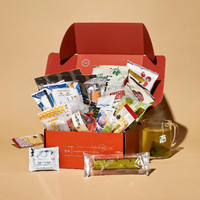
Rice also becomes snacks. Senbei (rice crackers), okaki and arare are all made from rice, and they carry the same sense of harvest into everyday snacking. November's First Snow on Fuji box includes several: Mochikichi's soy sauce Jari-Sen rice crackers from Fukuoka, Sanshin's Lucky Mayo Mix Okaki from Chiba, and Senbei Lab's sugar-glittered Mt. Fuji Senbei Kirazara from Saitama, each a small tribute to the rice harvest that Labor Thanksgiving Day grew out of.

How to Mark Labor Thanksgiving Day at Home
You do not need to be in Japan to borrow a little of the holiday's spirit. Write a short note of thanks to someone whose work makes your life easier, whether a coworker, a mail carrier or a family member. Cook a pot of good rice and eat it simply, the way Japan greets the new harvest. Or share a plate of rice crackers and a pot of tea, and say itadakimasu, the everyday Japanese expression of gratitude before a meal, before you start. If you want to turn thanks into a gift, our guide to whether a Japanese snack subscription makes a good gift is a good place to start.
Frequently Asked Questions
Does Japan celebrate Thanksgiving?
Japan does not celebrate American-style Thanksgiving, but it has its own national holiday, Labor Thanksgiving Day (Kinro Kansha no Hi), on November 23. The day honors labor and production and encourages people to thank one another.
When is Labor Thanksgiving Day in Japan?
Labor Thanksgiving Day is held every year on November 23. In 2026, it falls on a Monday, creating a three-day weekend.
What is Niiname-sai?
Niiname-sai is an ancient Shinto harvest ritual in which the emperor offers newly harvested rice to the deities and tastes it, giving thanks for the harvest. It is held on November 23 and is the historical origin of Labor Thanksgiving Day.
Why was Labor Thanksgiving Day renamed?
After World War II, Japan separated religion and the state, and in 1948 the holiday law renamed the November 23 harvest festival as Labor Thanksgiving Day, shifting its focus to gratitude for work and production.
How do people celebrate Labor Thanksgiving Day in Japan?
Most people enjoy it as a day off. Schoolchildren often make thank-you cards for parents and community workers, shrines hold Niiname-sai ceremonies, and some cities host events such as the Nagano Ebisuko Fireworks Festival.
Do Japanese people eat turkey on Thanksgiving?
Generally no. American Thanksgiving is not widely celebrated in Japan, turkey is uncommon in supermarkets, and Labor Thanksgiving Day has no traditional dish, though it is closely linked to the season's new rice.
Discover Japan One Snack at a Time
Labor Thanksgiving Day is a reminder that gratitude in Japan is often quiet and specific: a child's drawing for a firefighter, a bowl of new rice, a word of thanks before a meal. It grew out of a harvest ritual more than a thousand years old, and it still asks the same simple question: who made today possible? Every Bokksu box is built around that idea, bringing you snacks from Japan's makers, many of them family businesses that have worked at their craft for generations, along with a Culture Guide that tells their stories. If you would like to taste that dedication for yourself, explore the Bokksu Snack Box subscription and give thanks, one snack at a time.

-
Trending Posts

-


Author Bio
More from the blog
View all


