

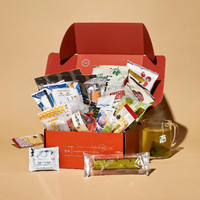


Japanese Winter Snacks: What Japan Eats When the Cold Arrives

Japan does not wait for the first snowfall to start eating for winter. The moment the air turns cold, usually in November, the snacks change almost overnight. Vending machines switch to hot drinks, convenience stores fire up their steamed bun cases, roasted sweet potato trucks start making their rounds, and chocolates that disappear every summer return to the shelves. The most common Japanese winter snacks include yaki-imo (roasted sweet potatoes), nikuman (steamed pork buns), mikan (mandarin oranges) eaten at the kotatsu, hoshigaki (dried persimmons), warm sweets like amazake and oshiruko, and winter-only chocolates such as Meiji's Meltykiss.
This guide follows those changes in the order you would notice them, from the first chilly morning to the heart of winter, and explains why each one matters so much to the Japanese sense of the season.
The First Signs: Hot Drinks and Steamed Buns
In Japan's traditional calendar, winter officially begins at ritto, around November 7. In everyday life, though, most people notice the season change at two places: the vending machine and the convenience store.
"Atatakai" Cans in the Vending Machine
Japan's vending machines serve both cold and hot drinks, and each autumn more and more of their slots switch over to hot. You can tell at a glance: hot drinks are marked with a red label reading atatakai (あったか〜い, warm), while cold drinks wear a blue tsumetai (つめた〜い, cold) label. The winter lineup is a snack in itself, with hot canned coffee, milk tea, green tea, and favorites like corn potage soup and oshiruko (sweet red bean soup), served in a can you can hold to warm your hands on the walk to the station.
Nikuman and Oden at the Konbini
At the convenience store counter, a glass steamer case filled with chukaman (Chinese-style steamed buns) is one of the surest signs of the cold. The classic is nikuman, a fluffy steamed bun filled with savory pork, alongside anman with sweet red bean paste, curry buns and pizza buns. Nearby, oden, a hot pot dish enjoyed as a winter snack, features ingredients simmered in a light soy-based broth. It includes daikon radish, boiled eggs, fish cakes and konnyaku, and lets customers ladle out a cup of their own. For more on oden and hot pot, see our guide to traditional Japanese foods to eat in winter.

Yaki-Imo: The Sound of Winter
For many people in Japan, winter has a soundtrack: a slow, drawn-out call of "ishi-yaki imo, yaki-imo" from a small truck rolling through the neighborhood. Yaki-imo are roasted sweet potatoes popular during winter in Japan. They are Japanese sweet potatoes (satsumaimo) roasted slowly over hot stones until the flesh turns soft, golden and intensely sweet, almost like custard. The slow roasting converts the potato's starch into sugar, which is why yaki-imo tastes so much sweeter than a baked potato. Today you can also find them in supermarket roasters, but buying one wrapped in newspaper from a truck on a cold evening is still a small winter ritual.
The flavor shows up everywhere in winter snacks, too, from sweet potato chips to manju. November's First Snow on Fuji box includes a Fuji-shaped Sweet Potato ZakuZaku Manju with a smooth satsumaimo filling.

Mikan and the Kotatsu
Ask anyone in Japan to picture a winter evening at home and you will likely hear the same scene: the family gathered around a kotatsu, a low table with a heater underneath and a quilt draped over the top, with a bowl of mikan in the middle. Mikan are small, easy-peeling mandarin oranges that come into peak season in late autumn and winter, grown mainly in warm coastal prefectures such as Wakayama, Ehime and Shizuoka.
They are the perfect kotatsu snack: sweet, juicy, peeled by hand without leaving the warmth of the quilt, and rich in vitamin C during cold season. Eat enough of them, the old joke goes, and your fingertips turn a little orange.
Winter-Only Chocolate: Japan's Fuyu Gentei Season
Japan loves kisetsu gentei (seasonal limited) products, and some of its most beloved chocolates exist only in the cold months. The best known is Meiji's Meltykiss, launched in 1992 as a chocolate meant to melt on the tongue like snow. That soft, cocoa-dusted texture comes at a price: the chocolate needs to stay below about 23°C (73°F), so it is sold only in winter. Its return to shelves each autumn is treated by fans as an announcement in itself.
Lotte's Rummy and Bacchus are even older winter traditions. These liqueur chocolates, one filled with rum-soaked raisins and the other with cognac, have been sold as winter-only treats for more than half a century. Together they show something particular about snacking in Japan: the season is not just a backdrop for food, it is part of the reason to buy it.

Hoshigaki: Persimmons Dried in the Cold
In late autumn, rural farmhouses across Japan hang curtains of peeled persimmons from their eaves to dry in the cold, dry air. Over several weeks, often with gentle hand-massaging to soften the flesh, they become hoshigaki, dried persimmons traditionally made in winter: dense, chewy dried persimmons with a deep, honeyed sweetness and a fine white bloom of natural sugar on the surface. In Nagano Prefecture, the orange persimmon curtains known as kaki sudare are a seasonal landmark in their own right. Hoshigaki are eaten as a snack with green tea and often appear in New Year's decorations and sweets.
Warm Sweets: Amazake, Oshiruko and Taiyaki
Japanese winter sweets lean warm, soft and comforting.
Amazake
Amazake is a sweet, thick drink made from fermented rice, often served hot at shrines and temples over New Year. Ironically, during the Edo period it was sold on the streets as a summer drink to restore energy in the heat, and it is still considered a summer kigo (seasonal word) in haiku.
Oshiruko and Zenzai
Oshiruko and zenzai are sweet red bean soups served with toasted or soft mochi. Zenzai is a warm sweet red bean soup served with mochi. They are the classic way to warm up after a cold day and a favorite way to use leftover New Year's mochi.
Taiyaki and Imagawayaki
Taiyaki are fish-shaped cakes filled with sweet red bean paste, while imagawayaki are round cakes filled with sweet bean paste or custard. They are hot street sweets bought fresh from the griddle and eaten on the spot. You will find more in our guide to winter street food in Japan.
Winter Strawberries
Here is a surprise for many visitors: in Japan, strawberries are a winter fruit. Most are grown in greenhouses, and the season peaks from December into spring, which is why strawberries crown the Japanese Christmas cake and why strawberry flavors flood winter snacks, from daifuku to chocolates to cookies.
The Flavors of a Japanese Winter Snack Aisle
Walk into a Japanese supermarket in November and the packaging shifts toward warm colors and winter flavors. A few to look for:
Sweet Potato, Chestnut, and Kabocha
-
Sweet potato, chestnut and kabocha for earthy, roasted sweetness.
Strawberry and Milk
-
Strawberry and milk for soft, comforting sweets.
Rum Raisin, Brandy, and Caramel
-
Rum raisin, brandy and caramel for richer, adult-leaning chocolates.
Butter, Garlic, and Black Pepper
-
Butter, garlic and black pepper on the savory side, flavors that feel warming and pair well with a hot drink.
For a broader look at how Japan eats by season, see our guide to shun, Japan's seasonal ingredients, and for December's holiday flavors, our story on what makes Japan's holiday snacks so special.

How to Snack Like Japan This Winter
You do not need a kotatsu to bring a little Japanese winter home. Pair something warm with something sweet: a cup of hot tea with a few rice crackers, or roasted sweet potato with a pat of butter. Keep a bowl of mandarins on the table. Look for winter-only flavors at your local Asian grocery while they last. And save the richest treats, chocolate, butter cookies and sweet bean pastries, for the coldest evenings, the way Japan does.
The November Bokksu box, First Snow on Fuji, is built for exactly this moment, with Salty Butter Cookies, garlic potato chips, black pepper biscuit sticks and a mellow Japanese black tea grown in the hills below Hakone.
Frequently Asked Questions
What snacks do Japanese people eat in winter?
Popular Japanese winter snacks include:
-
Yaki-imo (stone-roasted sweet potatoes)
-
Nikuman and other steamed buns
-
Mikan oranges eaten at the kotatsu
-
Hoshigaki (dried persimmons)
-
Taiyaki
-
Oshiruko and amazake
-
Winter-only chocolates such as Meiji's Meltykiss
Why is Meltykiss only sold in winter?
Meltykiss is made to melt on the tongue like snow, so it needs to be kept below about 23°C (73°F). Because it would melt in Japan's hot summers, Meiji sells it only during the colder months, as it has since its launch in 1992.
What is yaki-imo?
Yaki-imo is a Japanese sweet potato roasted slowly over hot stones until the flesh becomes soft, golden and very sweet. It is traditionally sold from small trucks that drive through neighborhoods in winter calling out "ishi-yaki imo."
Why do Japanese people eat mikan at the kotatsu?
Mikan are in peak season during winter, easy to peel by hand and juicy, which makes them the ideal snack to eat while staying warm under a kotatsu, the heated, quilt-covered table found in many Japanese homes.
What are hot drinks in Japanese vending machines?
In autumn and winter, many Japanese vending machines switch to hot drinks, marked with a red "atatakai" (warm) label. Popular choices include canned coffee, milk tea, green tea, corn potage soup and oshiruko sweet red bean soup.
When do winter snacks appear in Japan?
Winter snacks begin appearing in late September and October and are in full swing by November, around ritto, the traditional start of winter on about November 7. Many winter-limited products stay on shelves until around March.
Discover Japan One Snack at a Time
In Japan, the arrival of the cold is something you taste before you see. A hot can of corn soup on a train platform, the steam rising from a split yaki-imo, the first box of Meltykiss of the season: each one is a small, shared signal that winter has come, and that it is time to slow down and get cozy. Bokksu brings that seasonal rhythm to your door every month, with snacks chosen to match the moment in Japan and a Culture Guide that tells the story behind each one. If you would like to taste the season as it changes, explore the Bokksu Snack Box subscription and welcome winter the Japanese way.

-
Trending Posts

-


Author Bio
More from the blog
View all


