



Mino Ware: The Gifu Pottery Behind This Year's Holiday Gift

If you have eaten off a Japanese plate or sipped from a Japanese teacup, there is a good chance it was Mino ware. Mino ware (美濃焼, Mino-yaki) is the pottery and porcelain made in the Tono region of southeastern Gifu Prefecture, and the area produces roughly half of all ceramic tableware made in Japan. It has been fired in these hills for more than 1,300 years, and unlike most Japanese pottery traditions, it is defined not by one look but by an extraordinary range of styles. Whether you're a Japanese culture enthusiast, a ceramics collector, or simply curious about the story behind your tableware, this guide will help you appreciate the artistry and history of Mino ware.
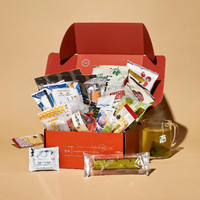
This holiday season, Mino ware is also coming to Bokksu subscribers' tables. New 6- and 12-month Snack Box subscribers receive a free set of handcrafted Indigo Sakura plates made in Japan's Mino region. Here is the story behind the pottery, the styles that made it famous, and how to put your new plates to use.
What Is Mino Ware?
Mino ware is the name for ceramics produced in the old Mino Province, today's southern Gifu, centered on the cities of Tajimi, Toki, Mizunami and Kani. Mino ware is both a traditional craft and an industrial powerhouse, producing a wide variety of ceramic tableware for daily use, such as rice bowls and tea cups. It encompasses distinct historical styles, including Shino, Oribe, Ki-Seto and Seto-guro, and is known for its incredible stylistic diversity, with ten distinct styles recognized today.
The region sits on rich clay deposits left behind by an ancient lake, which gave potters an unusually good supply of raw material, and its kilns have produced everything from rustic tea bowls to fine white porcelain.
That variety is the defining trait. Where traditions like Bizen or Shigaraki are known for a particular clay and finish, Mino ware covers ten recognized styles, along with the everyday porcelain that fills Japanese kitchens. In 1978, it was designated a Traditional Craft of Japan by the national government. For an overview of how it compares with Arita, Seto, Kutani and other regions, see our guide to the top Japanese pottery styles.
1,300 Years of Firing in Gifu
Pottery in Mino reaches back to at least the seventh century, when kilns in the region fired Sue ware, a hard gray stoneware introduced from the Korean Peninsula. Over the following centuries, potters moved from simple tunnel kilns dug into hillsides to large single-chamber kilns, and eventually to multi-chamber climbing kilns (noborigama) that stepped up the slopes and allowed far more consistent firing.
Mino's real turning point came in the late sixteenth century, during the Azuchi-Momoyama period. Japan's warlords and merchants were swept up in the tea ceremony, and tea masters wanted ceramics that broke with the polished Chinese wares that had dominated until then. Mino's potters answered with some of the most original pottery Japan has ever produced.

The Tea Masters' Revolution: Shino, Oribe and Ki-Seto
Several of Japan's best-known ceramic styles were born in Mino's Momoyama kilns.
Shino
Shino ware is thick, milky white, often with soft orange scorch marks and tiny pinholes where the glaze pulled away during firing. Made with a feldspar glaze, it is considered Japan's first white-glazed pottery, and its warm, imperfect surface became a tea ceremony favorite.
Oribe
Oribe ware takes its name from Furuta Oribe (1544–1615), a warlord and tea master who studied under Sen no Rikyu. It is instantly recognizable for its splashes of copper-green glaze, bold geometric or playful painted designs, and deliberately asymmetrical, even warped, shapes. In an era that prized restraint, Oribe was a statement of personality, and it still feels surprisingly modern.
Ki-Seto and Seto-Guro
Ki-Seto (yellow Seto) is a soft, matte yellow ware, while Seto-guro (black Seto) tea bowls were pulled from the kiln mid-firing and cooled rapidly to produce a deep, glossy black. Despite the "Seto" in their names, both were made in Mino.
That naming confusion lasted for centuries. Many Momoyama tea wares were long assumed to come from Seto, the neighboring pottery center in Aichi. Then, in 1930, the potter Arakawa Toyozo found Shino shards at an old kiln site in Kani, proving the style was made in Mino. Arakawa went on to revive Shino and was later named a Living National Treasure, and his discovery helped restore Mino's reputation as one of the great centers of Japanese ceramic art.
From Tea Bowls to Everyday Tables
Mino did not stay a tea-ware specialist. Potters in the region began producing porcelain in the nineteenth century, and with the mass production methods introduced in the Meiji era (1868–1912), Mino became Japan's great supplier of everyday dishes: rice bowls, noodle bowls, small plates, teacups and serving ware for homes and restaurants across the country.
Today, the region produces around half of Japan's ceramic tableware, alongside studio potters who keep the Momoyama styles alive and designers who push Mino in new directions. The same towns that once supplied tea masters now supply ramen shops and design stores, often from workshops that have been run by the same families for generations.
Indigo and Sakura: The Story Behind This Year's Plates
The design of this holiday's plates pairs two of Japan's most enduring visual traditions. Indigo blue on white has been a mainstay of Japanese porcelain for centuries, from fine painted wares to the simple blue-and-white bowls on family tables, and the color is so tied to the country that it is sometimes simply called Japan blue. Sakura (cherry blossoms), meanwhile, stand for renewal and for the beauty of things that do not last, which makes them a fitting motif for a gift that marks the turn of a new year.
The set comes in two sizes, small and medium, which is exactly how Japanese households use plates. Small plates (kozara and mamezara) hold a single sweet, a few rice crackers or a dab of pickles, while medium plates serve a slice of cake, a pair of onigiri or a shared snack spread. Together they are made for the way Bokksu boxes are meant to be enjoyed: a few snacks set out at a time, with a cup of tea, rather than eaten straight from the wrapper.

This Year's Holiday Gift: Free Mino Ware Plates
For a limited time, new Bokksu Snack Box subscribers who choose a 6- or 12-month plan receive a free handcrafted Indigo Sakura plate set made in the Mino region:
12-month plan: a 4-piece set with 2 small and 2 medium Indigo Sakura plates.
6-month plan: a 2-piece set with 1 small and 1 medium Indigo Sakura plate.
All new subscribers also receive the Seasons of Japan box, and every monthly box includes 20 to 22 Japanese snacks, sweets and a tea, plus a Culture Guide with the story, flavor notes and allergen information for each item. Current 1- and 3-month subscribers can upgrade their plan, and current 6- and 12-month subscribers can extend theirs, to receive the plates by contacting care@bokksu.com.
If you are shopping for someone else, a gift subscription with plates turns into two gifts in one: something to open every month, and something to keep on the shelf long after the last snack is gone. Our guide to whether a Japanese snack subscription makes a good gift can help you decide on the right plan length.

How to Enjoy Your Mino Ware Plates
In Japan, the plate is part of the snack. Setting out a single sweet on a small plate slows the moment down and lets you notice its shape and color, an idea at the heart of wagashi culture. A few ways to use your plates:
-
For tea time: place one sweet from your box on a small plate next to the month's tea. November's First Snow on Fuji box, with its Fuji-shaped biscuits and Hakone black tea, is a natural first pairing.
-
For sharing: use the medium plates for a snack spread when friends come over, mixing sweet and savory items from the box.
-
For everyday meals: small plates are perfect for soy sauce, pickles or a side of fruit, the way they are used in Japanese homes.
Because each plate is handcrafted, small variations in the glaze or pattern are part of its character, not flaws. Follow the care instructions included with your set to keep them looking their best.
Where to See Mino Ware in Japan
If your plates inspire a trip, the Mino region is about an hour from Nagoya. Toki hosts one of Japan's largest pottery fairs each spring during Golden Week, when hundreds of thousands of visitors browse stalls of Mino ware at kiln-direct prices. Tajimi is home to the Museum of Modern Ceramic Art, Gifu, and the striking Mosaic Tile Museum, while the International Ceramics Festival Mino brings potters from around the world to the region. Many kilns also open their doors for workshops, so you can try making a piece of Mino ware yourself.
Frequently Asked Questions
What is Mino ware?
Mino ware (Mino-yaki) is pottery and porcelain made in the Tono region of southeastern Gifu Prefecture, Japan. It has been produced for more than 1,300 years, covers ten distinct styles, and today accounts for roughly half of Japan's ceramic tableware.
Where is Mino ware made?
Mino ware is made in southern Gifu Prefecture, mainly in the cities of Tajimi, Toki, Mizunami and Kani, part of the historical Mino Province about an hour from Nagoya.
What is the difference between Mino ware and Seto ware?
Seto ware comes from Seto in neighboring Aichi Prefecture, while Mino ware comes from Gifu. The two regions share techniques and history, and several Momoyama styles such as Ki-Seto and Seto-guro were made in Mino despite their names.
What is Oribe ware?
Oribe ware is a style of Mino ware named after the tea master Furuta Oribe (1544–1615). It is known for copper-green glaze, bold painted designs and intentionally irregular shapes.
How do I get the free Mino ware plates from Bokksu?
For a limited time, new subscribers who choose a 6-month Bokksu Snack Box plan receive a 2-piece Indigo Sakura plate set (1 small, 1 medium), and 12-month subscribers receive a 4-piece set (2 small, 2 medium). Existing subscribers can upgrade or extend their plan by contacting care@bokksu.com.
Is Mino ware handmade?
Mino ware includes both handmade studio pottery and factory-produced porcelain. Bokksu's Indigo Sakura plates are handcrafted in the Mino region, so slight variations between pieces are natural.
Discover Japan One Snack at a Time
Mino ware has spent 1,300 years moving between two worlds: the rarefied tea rooms of the Momoyama period and the everyday tables of ordinary Japanese homes. This year's Indigo Sakura plates carry a little of both, a centuries-old craft from Gifu made to hold the snacks you will open each month. It is the kind of gift that keeps the Japanese idea of savoring small moments alive long after the holidays. If you would like a set of your own, or want to give one, subscribe to the Bokksu Snack Box on a 6- or 12-month plan and let Japan's makers, from snack artisans to Mino potters, fill your table.

-
Trending Posts

-


Author Bio
More from the blog
View all


