



From Shrines to Snacks: The Story Behind Inari and Kitsune Udon
Kitsune udon, one of the most comforting Japanese noodle soups, offers more than savory flavors. It also shares a close link to Japanese folklore and religious deities. In this post, we’ll explore the role of kitsune udon in Japanese homes, shrines, and restaurants. We’ll also take a quick look at inari sushi, another comfort food with a spiritual side.
Introduction: When Folklore Meets Flavor

In Japan, even the simplest dishes have stories to tell. Kitsune udon, also known as "fox udon," is no different. This traditional Japanese noodle soup consists of thick, chewy udon noodles in a light-colored dashi broth, topped with a deep-fried tofu pouch called aburaage. The tofu is seasoned with sugar, mirin, and soy sauce to give it a sweet and salty flavor.
According to Japanese folklore, aburaage is a fox’s favorite meal. And since the udon noodle soup in question contains aburaage, it was called “kitsune” (meaning “fox”) udon. Aburaage also has a golden brown color, which is similar to that of a fox. The spirituality behind kitsune udon comes from its link to Inari, the Shinto deity of rice, prosperity, and foxes. Inari sushi is another comforting favorite that shares a connection to the deity.
These foods, often enjoyed in winter, blend myth, culture, and taste in ways that reflect Japan’s deep connection between daily life and tradition. The rest of this article explores the fascinating roots of these iconic dishes and how they continue to impact food culture. We’ll take you on a culinary journey from temple offerings to modern snacks you might find in a Bokksu box.


The Legend of Inari: Japan’s God of Prosperity

Inari Ōkami, also known as Ō-Inari, is a Shinto deity associated with rice, agriculture, and prosperity. According to religious legends, Inari first appeared during a period of harsh famine in the land. She arrived from the skies riding a white fox. In her hand were sheaves of grain.
The abundance of foxes in ancient rice fields may have inspired this legend. Also, Japanese people once used fox urine to ward off rats from Shinto shrines built near rice fields. Foxes (kitsune) eventually became known as messengers of Inari and symbols of abundance and cleverness.
Inari Shines in Modern Japanese Culture
Today, there are about 30,000 Inari shrines across Japan. The first one was Fushimi Inari Taisha, established in 711. To this day, it stands in Kyoto and is the head of all other Inari shrines. Visitors come from all over the world to see the shrine’s 10,000 vermilion torii gates and iconic fox statues. Other popular Inari shrines are Kasama Inari (Ibaraki Prefecture), Toyokawa Inari (Aichi Prefecture), and Yutoku Inari (Saga Prefecture).
Why Foxes Are Linked to Food in Japan

According to Japanese folklore, the fox is a shape-shifter known for its intelligence, charm, trickery, and appetite for aburaage (fried tofu). Their love for tofu led to the naming of certain dishes after them. Kitsune udon and kitsune soba are examples of dishes named after the fox because they contain aburaage.
In real life, foxes enjoy chasing rodents through rice fields. That behavior inspired divine stories that connected the creatures with the Shinto kami of rice, Inari Ōkami. The deity’s foxes have a white color and can ward off evil spirits. Hence, they serve as protectors of Inari shrines.
Inari Sushi: A Bite of Blessing

Inari sushi is a Japanese dish consisting of vinegared rice wrapped in sweet fried tofu pouches. Those golden-brown pockets of tofu are said to resemble the fox’s favorite food. People bring them to Inari shrines and set them at the feet of fox statues as offerings.
Inari sushi is simple to make. You’ll find it at local festivals and tourist areas in Japan. People offer it as a sacred food during the Hatsu-uma Festival, an event held in honor of the Inari deity to give thanks for abundance and prosperity. During the holidays, adults and kids enjoy inari sushi as a portable snack.
Styles of Inari Sushi
There are two styles of inari sushi in Japan:
-
Tokyo style: shaped like a straw bag, and the pouch completely covers the sushi rice.
-
Osaka style: shaped like a fox’s ear, and the pouch exposes the sushi rice at the bottom.
Kitsune Udon Noodle Soup: Comfort Food with a Mythical Twist

Kitsune udon, the warm noodle soup topped with aburaage, originated in Osaka. The year was 1893, and noodle shop Matsubaya began to sell kitsune udon after a customer enjoyed eating aburaage as a side dish. Thanks to the love for noodle soup in Osaka, kitsune udon soon became popular. Today, it’s a winter comfort food nationwide.
In terms of flavor, kitsune udon offers the perfect balance of savory and sweet. It typically consists of vegetarian and vegan ingredients, such as tofu, kombu dashi (Japanese soup stock), and chewy noodles. It’s common to find people enjoying kitsune udon after returning from shrine visits, as the dish perfectly blends culinary warmth with spiritual tradition.
Kitsune Udon Recipe: Dashi Stock, Tofu Pouches, and More
Here’s a list of all the ingredients you need to make the dish:
-
Thick udon noodles: typically frozen udon noodles from the freezer section of an Asian grocery store, but fresh noodles work too.
-
Dashi broth: kombu, katsuobushi or bonito flakes (non-vegan), mirin, sugar, light soy sauce, salt, and water. You can also use store-bought dashi powder to make a flavorful broth.
-
Toppings: aburaage (fried bean curd), green onions, spring onions, and shichimi togarashi (Japanese seven spices).
In a saucepan, mix the dashi broth ingredients with cold water and place on medium heat. Allow the mixture to simmer gently for a while before straining the stock of its hot water. In a large pot, cook the udon noodles in boiling water. Drain every last drop of excess water to get the best texture, and serve immediately with toppings in individual bowls. Happy cooking!
From Temples to Tables: The Cultural Journey of Tofu

Tofu is a popular Asian food prepared from coagulated soy milk. It’s silky, soft, firm, and absolutely delicious. Invented in China, tofu was introduced to Japan in the Nara Period (710-794). It was an important part of the temple vegetarian cuisine (shōjin ryōri) of Zen Buddhist monks, thanks to its rich protein content.
People started offering tofu at Shinto shrines near the end of the Heian period (794–1185). The nobles and samurai class were some of the first to start eating tofu, after the monks. It would not become accessible to the public until the late Edo period (1603-1868).
To this day, tofu’s simplicity and purity reflect Buddhist and Shinto values of harmony and gratitude. Since Japanese folklore suggested that tofu was the foxes’ favorite food, it became a staple in many regional variations of kitsune dishes.
Regional Takes on Kitsune Dishes Across Japan
Japan’s local food culture thrives on reinterpretation and respect for heritage. Let’s explore how different regions have adapted kitsune dishes. Here are a few examples:
-
Osaka: It is the classic kitsune udon with light soy broth made from kombu and mackerel flakes.
-
Nagoya: It has a richer, darker udon broth using hatcho miso, a paste made from high-quality soybeans.
-
Kyoto: It has an elegant, delicate presentation with handmade tofu. Most udon restaurants in Kyoto serve the dish.
The Aesthetic Side of Inari and Kitsune

Kitsune dishes and inari sushi are as visually appealing as they are tasty. Presentation plays a role in the serving process. Visual elements, including the warm amber of fried tofu, the soft sheen of rice, and the rustic simplicity of udon bowls, are all part of the appeal.
Why Aesthetics Is So Important
The main goal is to follow Japan’s aesthetic philosophy of wabi-sabi by finding beauty in modest, meaningful moments. There is cultural value in enjoying kitsune dishes and other Japanese delicacies that were inspired by wabi-sabi. Bokksu’s artisanal snack curation draws inspiration from the concept to give consumers the most authentic experience.
Modern Interpretations: From Restaurants to Snack Boxes

Chefs and snack makers are reimagining traditional dishes through modern lenses. You can now enjoy exotic variations of the fox flavor with these treats:
-
Kitsune-inspired rice crackers: Kitsune senbei are fox-shaped crackers often sold near Inari shrines. They serve as tasty snacks and memorable souvenirs. The dough may contain other ingredients, such as sesame seeds, miso, and sugar.
-
Tofu chips: These crispy chips are made by seasoning thin slices of baked tofu with spices. Common spice options include paprika, ground coriander, and cumin.
-
Soy-flavored senbei: These are baked, bite-sized Japanese rice crackers flavored with regular soy sauce.
-
Baked tofu crispies: These snacks hardly feature any flour or starch. They consist of pressed tofu, soy sauce, spices, and marinades.
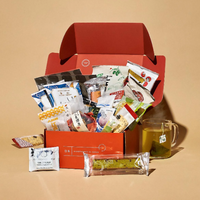
These delicious treats are quite popular in Japan but may be difficult to find in other countries. If you want a chance to enjoy them, consider Bokksu’s snack boxes. These monthly curations capture the best of Japanese snack cuisine, offering you a taste of Japan’s folklore through authentic regional treats.
How Inari and Kitsune Foods Reflect Japanese Culture
These Inari dishes represent the fusion of spirituality, seasonality, and symbolism in Japanese food culture. If you’re familiar with Japan’s approach to food, you should know that there is a strong emphasis on gratitude and connection to nature. Brands like Bokksu share the same values. Hence, every product highlights craftsmanship and cultural storytelling.
Bringing the Spirit of Inari Home with Bokksu

For centuries, the timeless story of Inari has passed from one generation to the next. It paints the perfect picture of how food can influence spirituality and vice versa. If you want to share your love for Japanese food culture, Bokksu Boutique offers the best opportunities. Check out our collection for gift and snack boxes inspired by popular elements of Japanese culture. Available snack options range from selections of crispy crackers to piping hot broth. Shop now to get exclusive gifts for yourself or your loved ones.



-
Trending Posts

-


Author Bio
More from the blog
View all


