



Sweet Treasures: Inside Japan’s World of Luxury Fruit
Why Japanese Fruits Are Famous for Quality and Beauty

In Japan, fruit holds a special place beyond its role as food—it's seen as an art form, a meaningful gift, and a symbol of the changing seasons. While fruit is considered an everyday item in other cultures, many Japanese fruits are often treated as luxury goods, celebrated for their exceptional quality, flavor, and cultural importance. They are frequently chosen as gifts because they are consumable and don’t add clutter, making them both thoughtful and practical presents. Each fruit also reflects the changing seasons, with certain varieties marking the arrival of spring, summer, autumn, or winter. This deep appreciation for seasonality is deeply ingrained in Japanese cuisine, where harmony between beauty, taste, and health benefits is carefully cherished.


Luxury Fruits in Japan: What Makes Them So Expensive?

Japanese fruits can be divided into two categories: everyday varieties bought at local supermarkets for consumption and the luxury fruits that are treated as edible works of art. These luxury fruits stand out not just because of their impeccable appearance but also for the incredible care and craftsmanship that go into growing them. Farmers dedicate themselves to achieving flawless shapes, intense sweetness, and exceptional juiciness. Thanks to this meticulous cultivation and their striking presentation, these fruits often come with jaw-dropping price tags, reflecting their status as both culinary delights and symbols of prestige.
Take the Yubari King Melon, Japan’s most famous luxury fruit. Grown in Hokkaido, it’s prized for its perfect round shape, juicy flesh, and exceptional sweetness, with prices reaching thousands of dollars. In 2019, a pair sold at auction for a staggering $45,000. Melons with sugar content between 11% and 13% are considered the best. Japanese grapes also stand out, especially the Ruby Roman from Ishikawa Prefecture. Known for their large size and rich sweetness, these grapes are among the most expensive worldwide. Then there’s the Hatsukoi no Kaori, or “Scent of First Love,” the world’s first cultivated white strawberry. Its pale color comes from low anthocyanin levels, making it rare and beautiful. These luxury fruits surpass their Western counterparts in refinement and exclusivity, showcasing the artistry and dedication unique to Japanese cultivation.
Fruit Gifting Culture: The Etiquette Behind Japan’s Sweetest Presents

In Japanese culture, giving fruit as a gift is a meaningful tradition that goes back to ancient times and is deeply woven in both daily life and spiritual practices. Seasonal fruits like Japanese plums, oranges, and apples are carefully selected and beautifully packaged to express respect, gratitude, and good wishes. Fruit has also held spiritual significance for centuries, often offered at Shinto shrines and Buddhist altars (butsudan) as a gesture of reverence. Even today, it’s common to see a few neatly arranged Japanese oranges or a bowl of rice at a family altar or a small fruit offering at a local shrine. These customs reflect a deep appreciation for nature’s gifts and the spirit of giving, making fruit gifting in Japan a timeless and heartfelt tradition.
Fruits from Hokkaido: A Sweet Northern Surprise

Hokkaido's cool climate, long daylight hours, and fertile soil create the perfect conditions for growing some of Japan's most flavorful, locally grown fruits. While the region is famous for the luxurious Yubari melon, it's also home to a variety of other melons, including sweet green and red-fleshed types that are equally celebrated for their rich taste and juicy texture. Hokkaido also cultivates an impressive range of berries, including strawberries, raspberries, and blueberries, the latter being a major pillar of the local fruit industry. Yoichi Town's apples are renowned for their crisp texture, while cherries grown at Yamamoto Farm, which cultivates over 10 varieties, are prized throughout Japan for their exceptional sweetness and freshness. Another local specialty is the haskap berry, also known as blue honeysuckle, which stands out with its purple color, unique jelly-like texture, and perfect balance of sweet and sour flavors.


Seasonal Fruits in Japan: A Year-Round Flavor Calendar

The changing seasons don't just shape Japan's landscape but also dictate the flavors that fill the markets and dinner tables throughout the year. Each time of year brings its own star produce. Spring kicks off with sweet strawberries and cherries, often enjoyed in desserts or as snacks during hanami (cherry blossom viewing). As the weather warms, summer delivers an abundance of juicy peaches, crisp watermelons, and fragrant melons, which are especially popular in seasonal gift sets and cooling treats. These summer fruits are not only prized for their taste but also for their ability to offer refreshment and comfort during Japan’s hot and humid months.
Come early autumn, the air cools and the harvest continues with a rich variety of flavors. autumn brings the arrival of crisp Japanese pears, which differ from their western pear cousins with a firmer texture and refreshing sweetness. Grapes and persimmons also shine during this time. In winter, citrus takes center stage with mandarin oranges becoming a household staple and the aromatic yuzu is used in everything from hot baths to seasonal dishes. This year-round flavor calendar not only brings variety to Japanese cuisine but also serves as a reminder to appreciate each season’s unique gifts. By celebrating seasonal fruits, Japan continues a tradition that values quality, mindfulness, and the simple joy of tasting nature’s best offerings at just the right time.
Where to Buy Fruits in Japan: From Luxury Shops to Local Markets

When it comes to buying fruit in Japan, there is a range of options that cater to every taste and budget. For a truly indulgent experience, department store fruit boutiques like those in Mitsukoshi offer pristine, hand-selected fruits, often individually wrapped and sold at premium prices, perfect for gifting or special occasions. On the other end of the spectrum, morning markets offer a lively, local atmosphere where one can score fresh, seasonal produce at more reasonable price, and even straight from the farm. Japanese supermarkets and convenience stores also provide a convenient and budget-friendly way to pick up everyday fruits. While the selection might not be as extravagant as in fruit boutiques, these places still offer quality produce at accessible prices, making it easy to enjoy healthy, delicious fruit any time without breaking the bank.
Japan’s Unique Fruits You Won’t Find Elsewhere

Japan is home to some truly unique fruits that one won't easily find anywhere else. Among these rare, Japan-born varieties is the dekopon, a hybrid citrus developed in Kumamoto Prefecture and known in the U.S. as Sumo Citrus. It’s instantly recognizable by its distinctive bump on top, and beloved for its sweet, juicy flavor, easy-to-peel skin, and seedless nature. Then there’s akebi, or chocolate vine, a truly unusual fruit with a vibrant purple pod that splits open to reveal translucent, jelly-like flesh filled with black seeds. The sweet flesh is eaten raw, offering a flavor reminiscent of lychee with subtle notes of melon, pear, and coconut, while the slightly bitter pod is often stir-fried or stuffed and cooked like a vegetable. Another local specialty is sudachi, a small, bright green citrus from Tokushima Prefecture. Unlike most fruits, sudachi is picked before it fully ripens and isn’t meant to be eaten on its own. Instead, it brings a refreshing tartness to sauces, marinades, desserts, and drinks, offering a distinctly Japanese alternative to lemon or lime.
Japanese Fruit Gift Boxes: The Art of Presentation

Japanese fruit gift boxes are carefully curated expressions of thoughtfulness and quality, whether it’s a single, perfectly shaped whole fruit or an elegant basket filled with a variety of seasonal favorites. Each piece of fruit is hand-selected for its perfect shape, color, and peak ripeness, then carefully packaged to ensure it arrives looking as flawless as when it was picked. These fruits are then delicately wrapped and nestled into boxes or baskets with soft padding to protect their pristine condition, turning a simple gift into a work of art. This attention to detail and the emphasis on quality reflect the deep respect for nature and hospitality in Japanese culture. Giving or receiving one of these fruit boxes is not just about enjoying delicious fruit—it’s about appreciating the care and tradition behind every piece, making it a luxurious and memorable gift.


Fruit Picking in Japan: A Delicious Travel Experience

Fruit picking in Japan is a delightful way to connect with the seasons and enjoy nature’s freshest flavors firsthand. Across the country, seasonal fruit-picking farms open their doors, inviting visitors to experience the joy of eating whole fruit right off the vine or tree. In spring, strawberry-picking is a popular activity that brings families and friends together to savor sweet, juicy berries at places like Tochigi Prefecture, known for its abundant strawberry farms. As the year moves into late summer and early autumn, grape-picking becomes a favorite, especially in regions like Yamanashi, where vineyards offer plump, bursting grapes to enjoy. These experiences often include all-you-can-eat options, letting you savor the fruit at its freshest. Fruit picking is a joyful way to connect with nature, support local growers, and taste the very best of Japan’s seasonal harvests.
From Farm to Festival: Fruit in Everyday Japanese Life

From the quiet beauty of rural fruit farms to the polished displays in upscale city stores, fruit holds a special place in the fabric of Japanese life. They are symbols of seasonality, care, and connection. Whether handpicked in a sun-soaked orchard or carefully wrapped in a luxury gift box, fruits embody the seasons, the dedication of growers, and the deep respect for nature that is central to Japanese culture. They bring people together, celebrate milestones, and offer moments of mindful enjoyment.
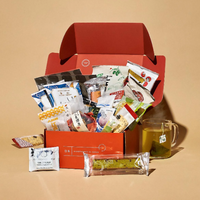
Experience the vibrant flavors of Japan beyond the orchard with Bokksu’s Snack Box subscription. Each Bokksu box delivers a delicious journey of flavors and textures, bringing traditional treats and unique regional goodies straight to your doorstep.
This month, we celebrate the art of indulgence with Japan’s most coveted fruits—handpicked, perfectly ripened, and steeped in tradition. Each bite is a taste of craftsmanship and care. Inspired by the elegance of the harvest season, this box offers a moment of refined sweetness—a luxurious escape into Japan’s orchard treasures.



-
Trending Posts

-


Author Bio
More from the blog
View all


