



What Is Omakase? Understanding Japan's Most Exclusive Dining Experience
What Is Omakase? Understanding Japan's Most Exclusive Dining Experience
Picture this: you sit down at a pristine hinoki (Japanese cypress) wood counter. There's no menu, no ordering, no choosing. Instead, the itamae (chef) stands before you, knife in hand, reading the room. What follows is omakase, a deeply personal, multi-course journey built entirely around the freshest ingredients available that day. Omakase literally means "I leave it up to you" in Japanese. Omakase is one of Japan's most revered dining traditions, treasured for the trust it asks of the diner and the craftsmanship it rewards in return.
Omakase represents one of Japan's most celebrated and unique dining experiences, offering insight into Japanese culinary artistry and hospitality. This guide is for anyone curious about Japanese dining traditions or planning to experience omakase for the first time. In this guide, we'll break down what omakase actually means, how a typical meal unfolds, the etiquette worth knowing before you go, how it compares to kaiseki, and what you can expect to pay for the experience.
The Meaning and Origins of Omakase
Omakase (お任せ, "I'll leave it up to you") describes a style of dining where the diner hands every decision over to the chef, with no menu, no ordering, no negotiating. The chef selects each course based on what's freshest that day, often sourced hours earlier from a specific regional producer: Hokkaido uni (sea urchin), Toyama's shiroebi (white shrimp), or bluefin tuna landed that morning in Kyushu. Omakase dining emphasizes trust in the chef's selections.
The practice traces back to Edo-period (1603–1868) sushi stalls along Tokyo's Sumida River, where customers didn't browse a menu so much as simply ask the chef to serve whatever was best that day. Sushi itself was still street food at the time: fast, informal, and eaten standing up. Omakase grew naturally out of that culture of quick trust between vendor and customer rather than any formal ritual.
Over the following centuries, omakase moved from street stalls into dedicated counters, and the concept spread beyond sushi into other Japanese culinary traditions. You'll now find omakase-style tempura counters in Osaka, omakase kappo (multi-technique, seasonally driven cuisine) in Kyoto, and even omakase yakitori counters in Fukuoka.
What ties all of these together isn't the specific dish, but the relationship: the diner trusts the chef's judgment completely, and the chef treats that trust as the highest form of hospitality.

How an Omakase Meal Unfolds
Seating and Service
A typical omakase meal begins the moment you sit down, literally. Most omakase restaurants seat diners directly in front of the chef rather than at a separate table, so every course can be served the instant it's ready, often eaten within seconds of being plated.
Course Progression
The chef usually opens with something light, a delicate white fish or a simple starter, before building toward richer, fattier, or more intensely flavored courses as the meal progresses. A sushi omakase, for instance, might move from tai (sea bream) to hamachi (yellowtail) before finishing on otoro (fatty tuna belly) and a warm tamago (sweet egg omelet) to close the palate. Some counters end the formal courses with a hand roll or two, giving diners a slightly more casual, interactive finish after the precision of the nigiri sequence.
There's little conversation about the food itself beyond the chef naming each piece as it's served. Commentary is minimal by design, since the point is to experience the ingredient rather than analyze it. Diners are expected to eat each piece promptly, usually within a bite or two, rather than let it sit and lose its temperature or texture.
Timing and Uniqueness
A full omakase seating typically runs 90 minutes to two hours and moves through twelve to twenty courses, though the exact count varies by restaurant and season. Because the sequence is built around what's freshest that day, no two seatings, even at the same counter on consecutive nights, are ever quite identical.
Why Diners Seek Out Omakase
Part of omakase's appeal is how rare that kind of trust has become. In a world of endless menus and customization, omakase asks diners to do the opposite: let go, and let a craftsperson who has spent decades honing a single skill make every decision for them.
That craftsperson relationship is also what connects omakase to the maker traditions found throughout Japan: the same reverence for a single ingredient, prepared with decades of technique, that defines a century-old soy sauce brewer in Shodoshima or a fifth-generation senbei (rice cracker) maker in Saitama. Omakase simply brings that philosophy to the counter in real time, course by course, rather than packaged on a shelf.
There's also a quiet element of discovery built into the format. Because diners never see a menu, they often end up trying ingredients or preparations they wouldn't have chosen on their own: a specific regional shellfish, an unfamiliar cut of fish, a seasonal vegetable prepared a way they'd never seen. That element of surprise, guided entirely by someone else's expertise, is a large part of why omakase has built such a devoted following well beyond Japan.

Omakase Etiquette: What to Know Before You Go
Because omakase asks the diner to trust the chef, a handful of etiquette norms have developed to protect that relationship. None are difficult to follow, but knowing them in advance makes the experience far more comfortable.
-
Eat Promptly:
Nigiri is served at the exact temperature and texture the chef intends. Waiting too long to eat it, or photographing it extensively before taking a bite, is considered disrespectful to the craft. -
Soy Sauce Usage:
Many pieces already arrive seasoned, some brushed with a reduction, others lightly salted, so drowning them in extra soy sauce can read as a quiet insult to the chef's balance of flavors. -
Fragrance Considerations:
Skip the strong perfume or cologne. Omakase is built around delicate aromas, and heavy fragrance can interfere with your own ability to taste, as well as your neighbor's. -
Dietary Restrictions:
Mention dietary restrictions when booking, not at the table. Because the entire meal is planned around a set sequence of ingredients, a last-minute allergy or dislike can throw off the chef's carefully built progression. Most restaurants ask for this information at the time of reservation for exactly that reason. -
Tipping:
Tipping conventions vary by country. In Japan, tipping isn't customary and can even cause confusion; in the United States, an 18–20% tip is standard, the same as any fine-dining restaurant. -
Trust the Chef's Pacing:
The chef, not the diner, controls the rhythm of the meal. Resist the urge to request extra pieces or rush ahead, since the sequence is often deliberately built to peak near the end.
Omakase vs. Kaiseki: What's the Difference
Omakase and kaiseki are often confused, and while both celebrate seasonality and trust in the chef, they come from different roots and follow different structures.
Kaiseki (懐石) developed out of the tea ceremony tradition, and it follows a fixed, ritualized sequence of courses: typically an appetizer, a clear soup, sashimi, a grilled dish, and a simmered dish, each with its own name and expected place in the meal. The format is largely set before the meal even begins, and a kaiseki chef is judged partly on how gracefully they honor that traditional structure.
Omakase, by contrast, is improvisational. The chef decides the flow of the meal in real time, adjusting based on what's freshest that day, what ingredients just arrived, and even how the diner is reacting course to course. Where kaiseki follows a ritual form, omakase follows the chef's intuition.
In short: kaiseki is a structured performance with a known script; omakase is a live conversation between chef and ingredient, one course at a time. Some high-end restaurants even blend the two, applying an omakase mindset to a kaiseki-inspired course structure.
What Omakase Costs and Where to Experience It
Omakase pricing varies enormously depending on the city, the chef's reputation, and how many courses are served. In Tokyo, a solid mid-range omakase counter runs roughly $50–$100 per person, while renowned establishments can charge $200–$500 or more for a single seating. In the United States, most omakase experiences fall between $100–$300 per person before drinks, with cities like New York, Los Angeles, and Chicago hosting some of the country's most respected counters.
Beyond Tokyo, Kyoto and Osaka each offer their own regional take. Kyoto's kappo counters, shaped by the city's kaiseki heritage, lean toward vegetables and delicate simmered dishes, while Osaka, historically known as Japan's kitchen, tends toward bolder, more generous portions.
Wherever you go, reservations are essential; the best omakase counters often seat only eight to twelve guests per service, and many book out months in advance. It's increasingly common for sought-after counters to require a deposit or take reservations exclusively through a dedicated booking platform rather than by phone or walk-in.
Frequently Asked Questions
What does omakase mean in English?
Omakase translates to "I'll leave it up to you" in English. In dining, it means entrusting the chef entirely to select and serve a personalized multi-course meal based on the freshest seasonal ingredients available that day.
How much does omakase typically cost?
-
Tokyo:
-
Mid-range counters: $50–$100 per person
-
Renowned establishments: $200–$500+ per person
-
-
United States:
-
Most experiences: $100–$300 per person (before drinks)
-
Is omakase only sushi?
No. While sushi omakase is the most well-known format globally, omakase can also feature tempura, yakitori, kappo cuisine, and other Japanese culinary styles. The format applies wherever a chef curates the experience.
What is the difference between omakase and kaiseki?
Kaiseki follows a structured, ritualized sequence of courses rooted in tea ceremony tradition, while omakase is improvisational. The chef decides the flow of the meal in real time based on ingredients and the diner's reactions.
Do you need to tip at an omakase restaurant?
Tipping conventions depend on the country. In Japan, tipping isn't customary and can even cause confusion. In the United States, an 18–20% tip is standard, the same as any fine-dining restaurant.
How many courses are in a typical omakase meal?
Most omakase seatings run twelve to twenty courses over 90 minutes to two hours, though the exact count depends on the restaurant, the season, and how the chef chooses to sequence that day's ingredients.
Discover Japan One Snack at a Time
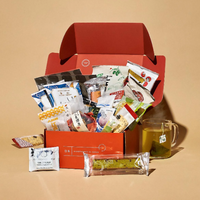
Omakase teaches a simple but powerful lesson: the best experiences often come from trusting the craft behind them. At Bokksu, we bring that same philosophy home. Every month, our curators handpick authentic Japanese snacks from century-old makers across Japan's 47 prefectures, treats shaped by the same regional pride and tradition that defines an omakase counter.
Ready to explore Japan through its snacks? Discover the Bokksu Snack Box subscription and bring a piece of Japan's culinary tradition home.

-
Trending Posts

-


Author Bio
More from the blog
View all


